The one-acre line that reshapes Fletcher drainage jobs
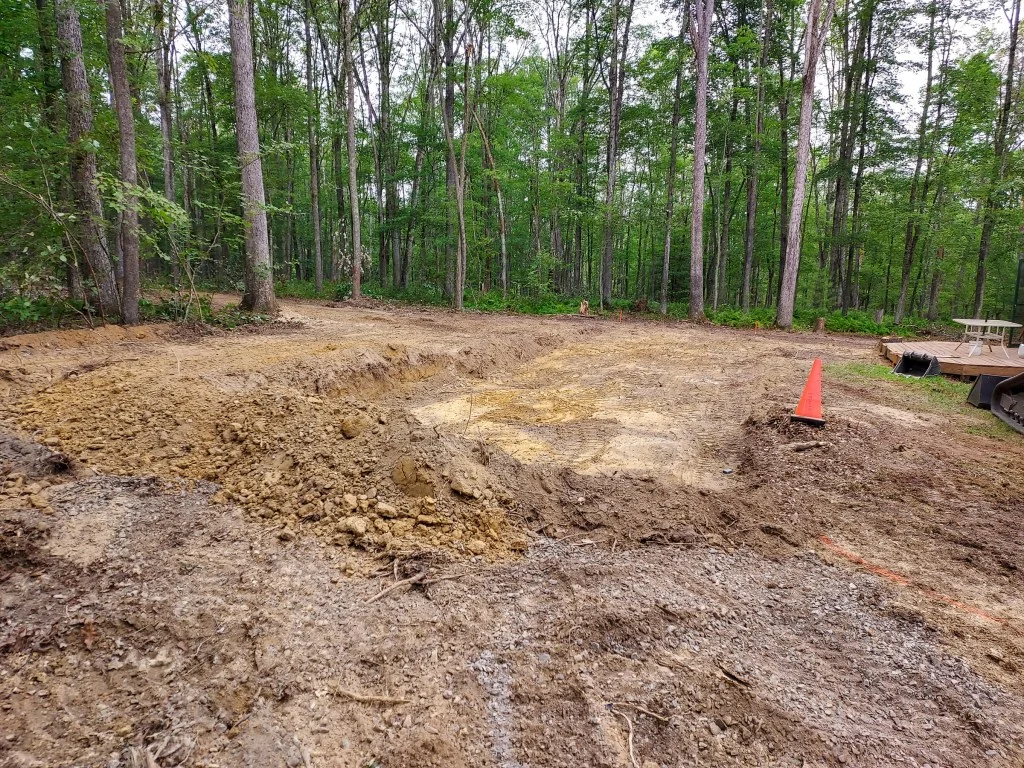
Most drainage calls in Fletcher start with a shoebox of a symptom and end with a question about acreage. Lots around Fletcher sit on a spread of terrain: the flat valley ground along Cane Creek that puddles after every long rain, the rolling acre-and-up properties off Howard Gap and Naples Road where the runoff from one neighbor reaches another, and the cut-and-fill pads in newer subdivisions where the developer's grading left the back yard pitched toward the house. On the small, older lots, a French drain and some regrading solve almost everything. On the rural acre-plus parcels, the same water problem can trip a state erosion and sedimentation permit because the fix disturbs an acre or more — and that permit changes the job schedule, cost, and inspection sequence before any shovel touches dirt.
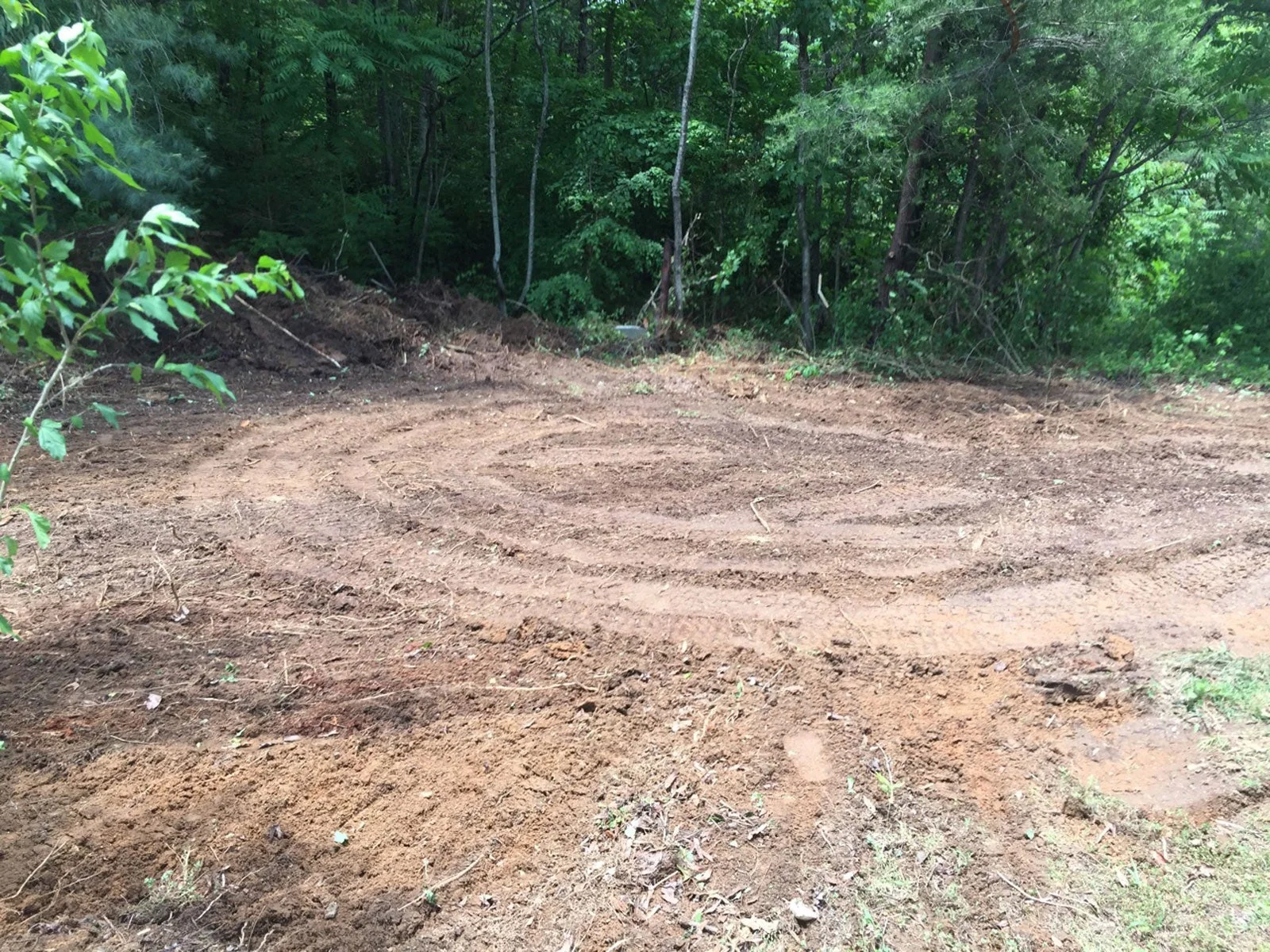
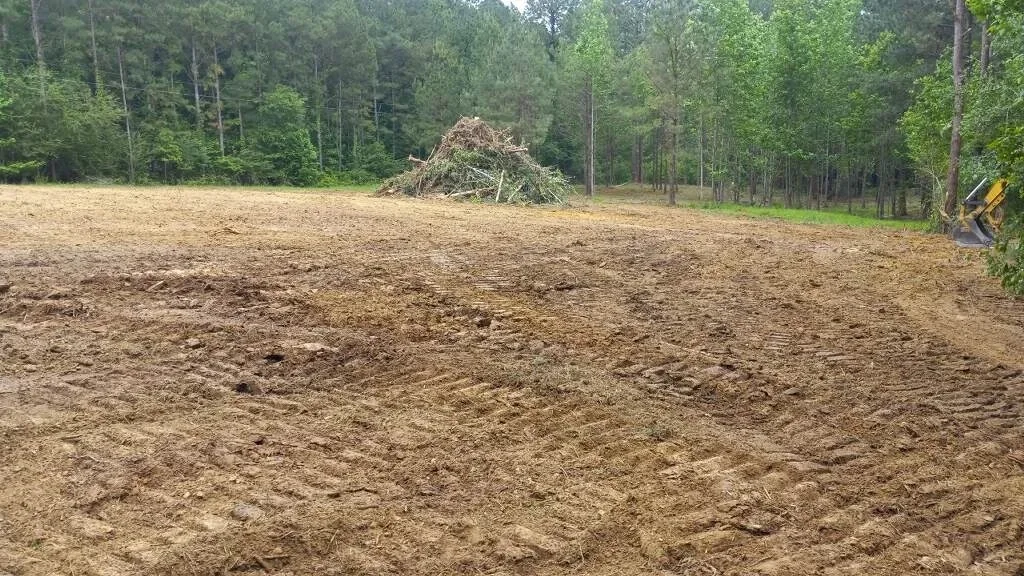
The practical advice is to measure the disturbed area, not the lot. A half-acre lot with a 12,000-square-foot regrade stays under the line. A three-acre parcel where only the wash channel and a swale get touched can also stay under it. It is the combined footprint of grading, trenching, and stockpiling that the state counts, and a designer who understands that can often keep a job in the simple lane. Where it can't, expect a soil and erosion control plan, staged inspections, and a longer weather window before the site is stable.
What Fletcher drainage actually fixes
The water problems here have a few recognizable shapes. First, roof water: gutters that dump beside the foundation and saturate the soil right at the footing. Second, surface water: the low corner of a yard where every storm pools and stands for a day. Third, subsurface water: a spring or perched water table that keeps a crawl space damp even when the yard looks dry. Fourth, uphill water: a neighbor or a hill above the property sends sheet flow across the lot, and the receiving yard is the one that floods. Each one has a different fix and a different price band, and the wrong fix (a French drain where the problem is surface grading) is the most common way money gets spent twice.
The state's residential code treats foundation drainage as a requirement, not an option, and the ICC model codes it adopts call for grading that moves water away from the structure. When we look at a Fletcher yard, the sequence is always the same: find where the water comes from, then decide whether it needs to be intercepted, redirected, or collected. The EPA's guidance on stormwater and runoff at epa.gov is a fair reference for why managing that water on-site matters — it is the same principle, scaled down to a single lot.
Scope versus price, in Fletcher terms
These are residential ranges for Henderson County work. Slope, access, drain length, and outlet location move a job within its band; they do not move it past it.
| Scope | Typical range |
|---|---|
| Single French drain run (60–120 ft, one outlet) | $3,000–$9,000 |
| Yard regrading, typical residential lot | $3,500–$12,000 |
| Whole-yard regrading with drainage and swales | $15,000 and up |
| Catch basin and downspout tie-in additions | Quoted as line items within the above |
The Henderson County grading cost breakdown has the line-item detail behind these numbers. If your job is genuinely at the acre-plus scale with a state permit attached, the engineering and inspection line items get added on top of the physical work, and that is the honest reason a big-parcel quote reads higher than a small-lot quote for what looks like the same trench.
What we check before quoting a Fletcher yard
Four site questions decide most of the scope. Where does the water enter the property? Where does it need to leave? Is the fix surface grading, subsurface collection, or both? And does the disturbed area cross the one-acre threshold that pulls in a state erosion permit? The answer to the fourth question controls whether the job runs on a normal residential schedule or a permitted one with staged inspections.
Contracts for this kind of work are governed by the NC Licensing Board for General Contractors once they cross the state's dollar threshold, so asking about license status is ordinary diligence rather than suspicion. If your job is really erosion control on a larger parcel, the dedicated drainage and erosion control page covers the permit-facing side in more depth. When you are ready, the local Fletcher grading contractors page covers what a first visit should include.
Weather, soil, and why Fletcher yards keep the water
Henderson County's federal disaster record shows 16 declared events touching this area, and the family is overwhelmingly storms and flooding. That history is the honest context for why drainage calls spike here after big rain: the soil around Fletcher carries a lot of clay in places, which drains slowly and holds water against foundations longer than the well-drained mountain ground a few miles west. Add the region's summer downpours and the occasional tropical remnant, and a yard that handled a normal storm can flood the first time a slow-moving system parks over the county.
The National Weather Service's outlooks at weather.gov are worth watching before scheduling a regrade, because freshly worked clay soil needs a dry window to be shaped and seeded before the next system arrives. The crews that plan around that window get better, longer-lasting results than the ones who grade into a wet forecast.