Why the same pond size quotes two different numbers on Buncombe lots
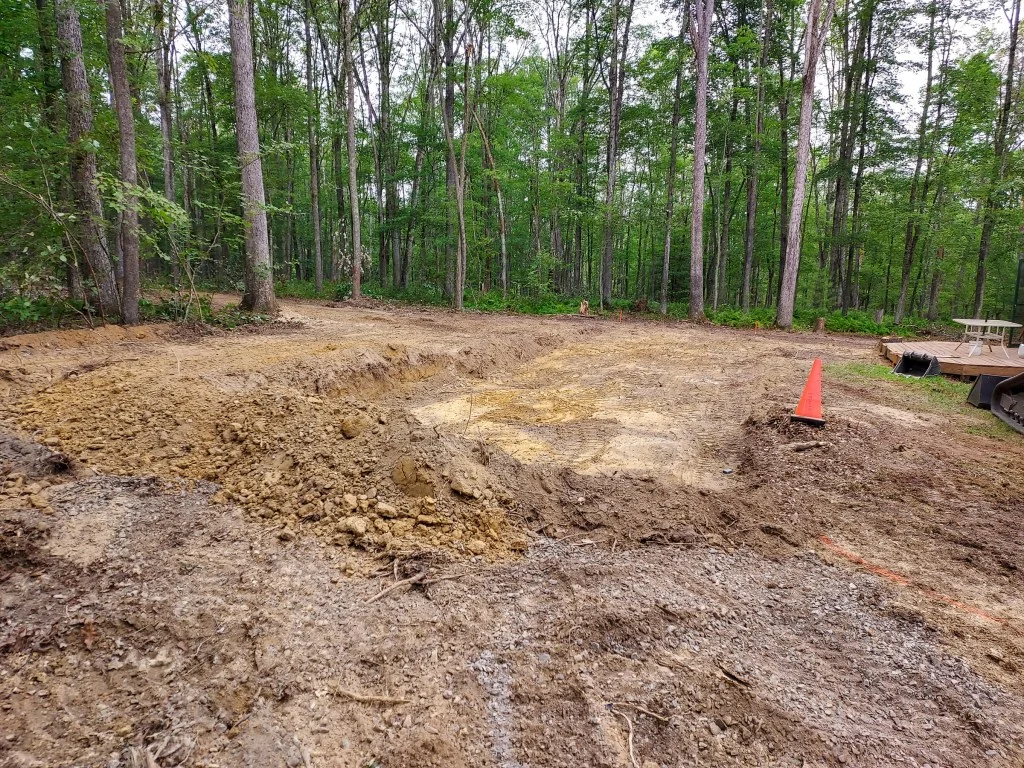
Two half-acre ponds in the same zip code can price $8,000 apart, and it almost never has anything to do with how much water they hold. It has to do with what's under the grass. Buncombe County sits on a mix of weathered saprolite, clay hardpan, and shallow bedrock — the bedrock often standing on edge in the steep, folded strata that made the ridges here. A machine bucket that cuts clean through clay will chatter and stall on that rock, and every hour of chattering is a billable hour.
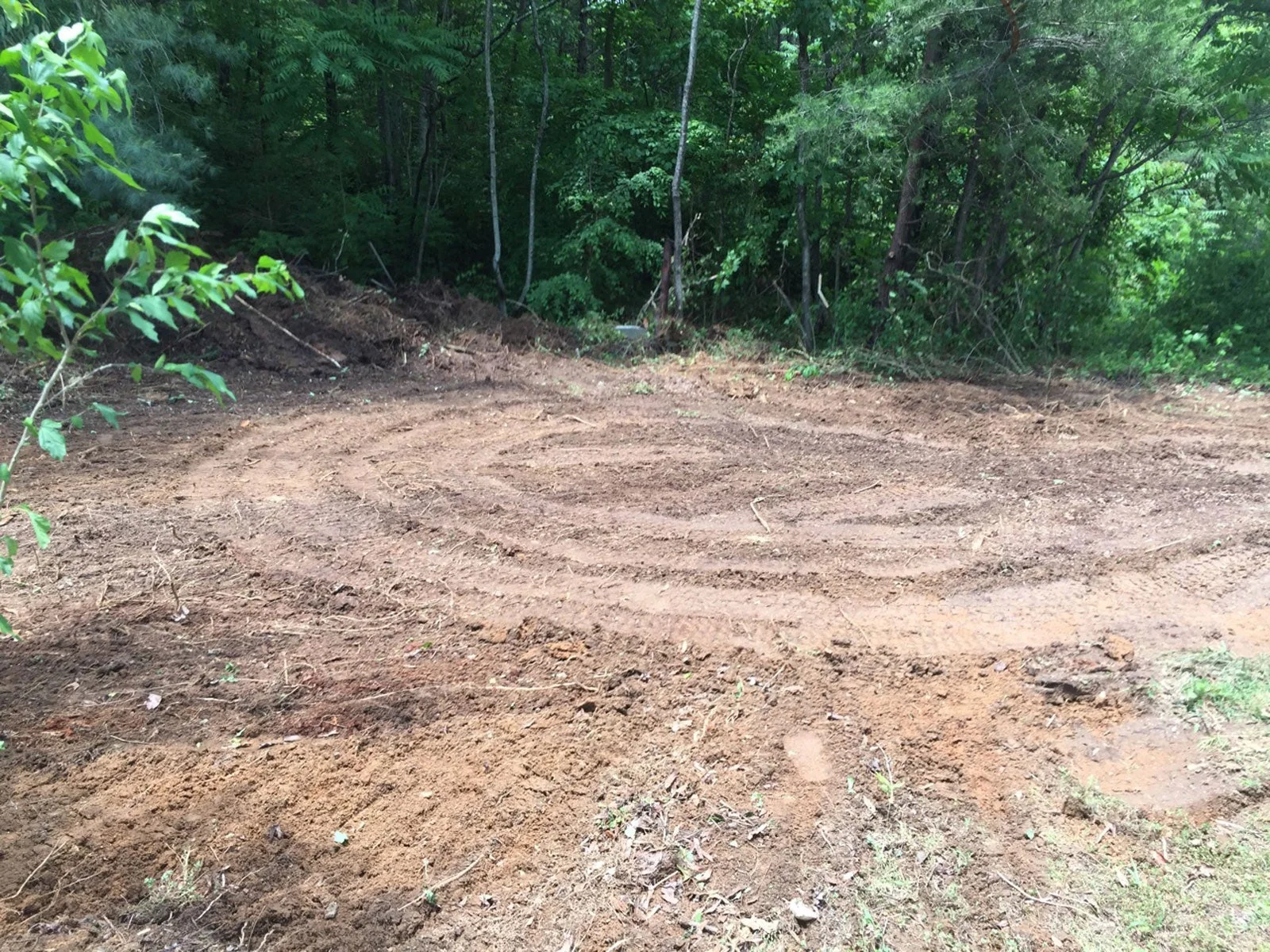
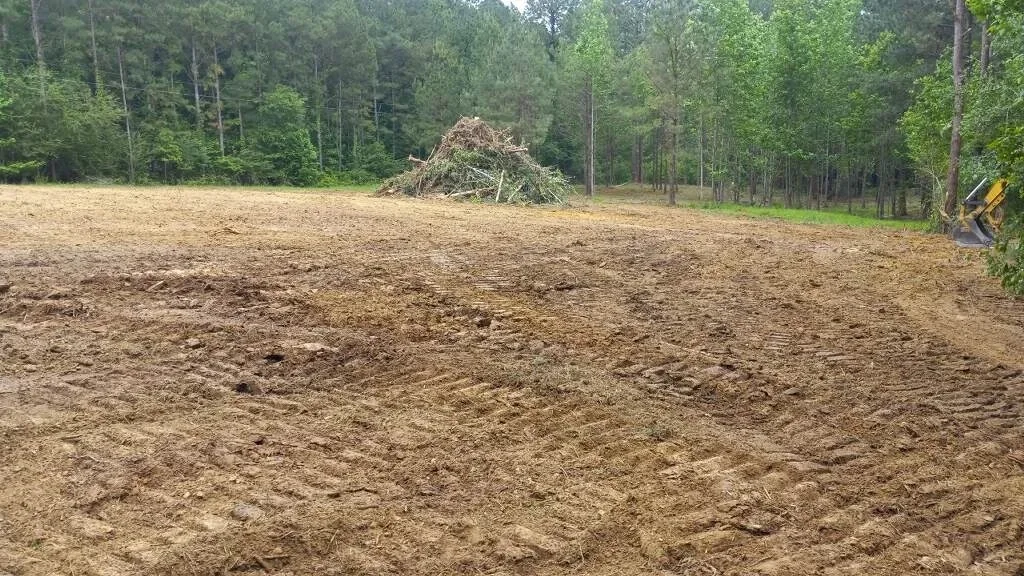
The second mover is what happens to the dirt once it's out. A pond generates spoil — the excavated material — and in this county you can't just push it over the bank. Slope, setback from streams, and whether the site drains to the French Broad or the Swannanoa all shape where that dirt can legally sit and how far a truck has to haul it. The excavation cost breakdown for any pond project is really a hauling and rock story wearing a pond costume.
So the useful question is not "how big is the pond." It's "how much of this hole is rock, and where does the dirt go." Those two answers frame the range before a single yard is moved.
The line items that actually move a pond quote
When a local contractor prices a pond on a Buncombe lot, these are the moving parts:
- Rock excavation. The single biggest swing item. Soft ground cuts at a normal rate; fractured rock cuts slower; solid rock may require hoe-ram or drilling and splitting, which can multiply the per-yard number several times over.
- Spoil disposal. If the excavated dirt can be shaped into a berm on site, cheap. If it must be hauled off, every load is trucking, tipping fees, and time — often $400–$900 per loaded dump-truck round trip depending on distance and receiving site.
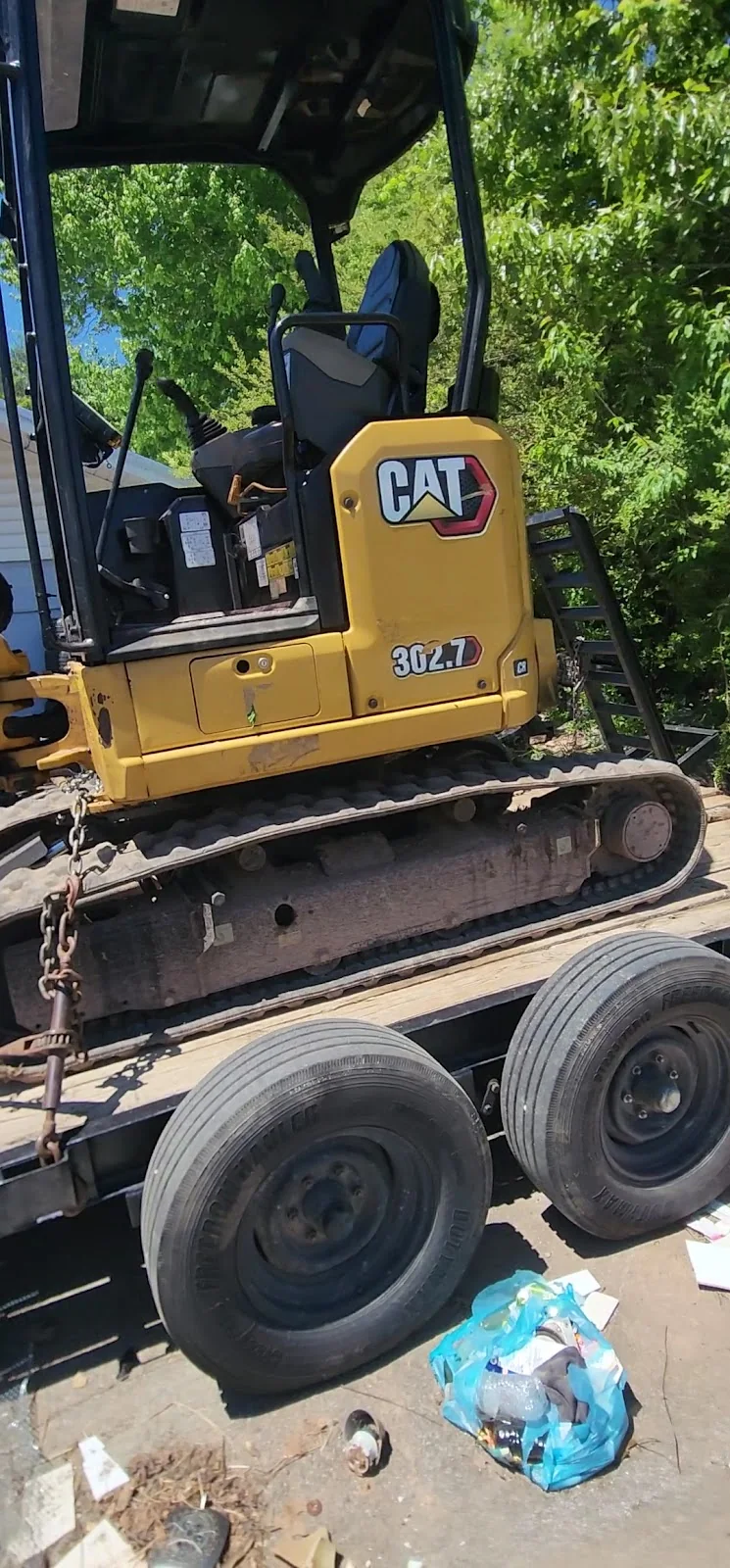
- Slope and access. A pond on a grade needs a bench, and machines working on a bench need room to swing. Tight ridge lots mean smaller equipment and more hours, or a bigger machine and a road built just to reach the hole.
- Water management during dig. Springs and seeps are common in these hills. A wet hole needs dewatering pumps running the whole dig, which adds equipment and days.
- Liner, clay, or bentonite. Mountain soils are often too permeable to hold water on their own. Importing clay or installing a liner is a real line item, not a rounding error.
- Spillway, outlet, and edge. A pond is more than a hole. Overflow protection, an outlet structure, and finishing the banks are separate scopes that show up on honest bids.
Scope versus price range on a typical Buncombe lot
These are regional planning bands for western North Carolina, not quotes. Actual pricing depends on the site walk and the rock.
| Scope | Typical range |
|---|---|
| Small ornamental pond, soft ground, spoil stays on site | $3,500–$7,500 |
| Half-acre stock pond, mixed soil, on-site berm | $9,000–$16,000 |
| Half-acre pond with significant rock or off-site haul | $16,000–$28,000 |
| One-acre pond, sloping lot, liner or imported clay | $28,000–$55,000 |
| Pond re-dig, cleanout, or enlargement of an existing hole | $5,000–$20,000 |
Notice the ranges overlap. A small pond on terrible ground can cost more than a larger pond on good ground, and that is the honest state of this trade. Anyone quoting a flat per-square-foot pond price before walking the site is guessing.
Permits, drainage, and the rules that apply here
Pond excavation in North Carolina is not a no-permit activity, and Buncombe County sites near streams, wetlands, or steep slopes trigger more review than a flat pasture pond would. Disturbing more than a threshold acreage of ground brings erosion and sedimentation control requirements into play, and work in or near streams and wetlands draws state and federal review under Clean Water Act provisions administered through the EPA. Land-disturbing activity on slopes in mountain counties is watched closely for good reason — sediment off a graded ridge lot ends up in somebody else's creek.
Two practical rules for a pond project here:
- Get the drainage plan reviewed before the first bucket. A pond that changes where stormwater goes can create a legal problem for a neighbor downstream, and it can also threaten the pond's own banks. See the site's drainage and erosion control page for how this gets handled on graded lots.
- Size above the general-contracting threshold and you need a licensed GC. North Carolina requires a license for construction projects above the statutory cost threshold, and that applies to excavation work tied to construction. The NC Licensing Board for General Contractors publishes the current thresholds.
Flood history matters too. Buncombe County has seen 19 federally declared disaster events over 1973-2026, and pond siting on ground that periodically floods is a different engineering question than siting on high ground. The National Weather Service tracks the rainfall patterns that fill and sometimes overwhelm small impoundments here.
What a site walk should tell you before you sign anything
A credible pond excavation contractor will walk the site and come back with more questions than answers, not a handshake number. Expect the walk to cover:
- Where the water table sits and whether the hole will hold water without a liner.
- Whether there is rock within the intended depth, and how it presents.
- Where the spoil can legally and physically go.
- How the pond will overflow in a hundred-year rain, and where that water ends up.
- What access the machines have and whether a temp road is needed.
A bid that skips this is not a cheaper bid. It is a bid that will grow change orders once rock shows up. The excavation contractor page explains how this site's contractors scope work and what documents a proper bid includes.