Why Laurel Park lots dig differently than Asheville ones
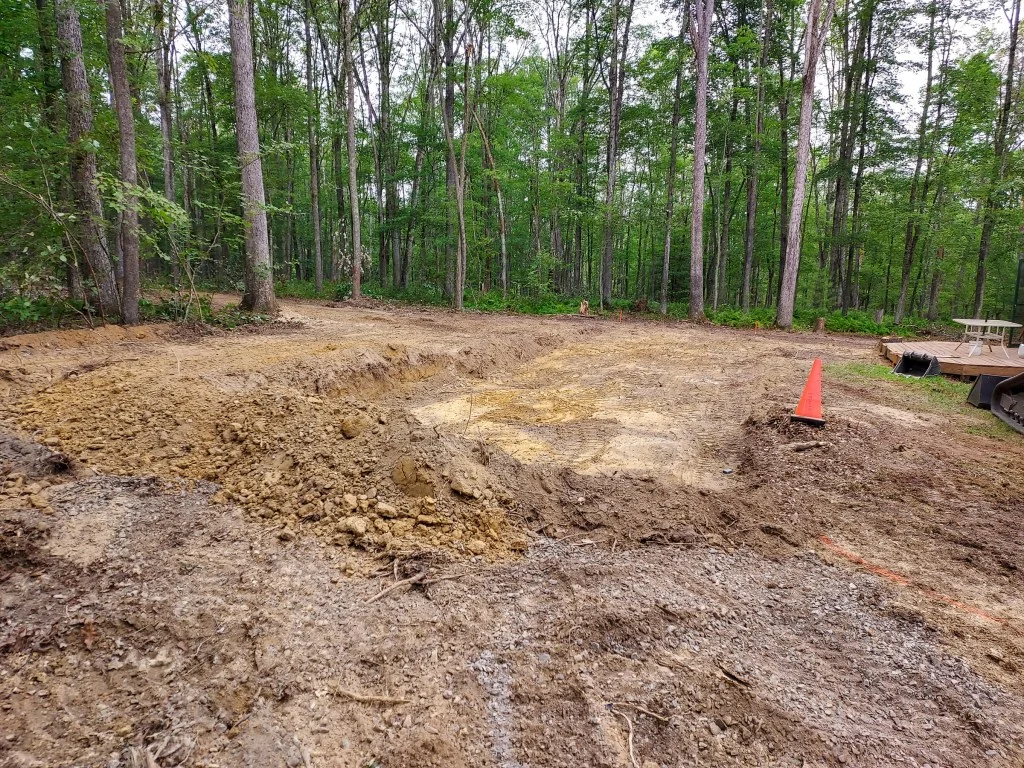
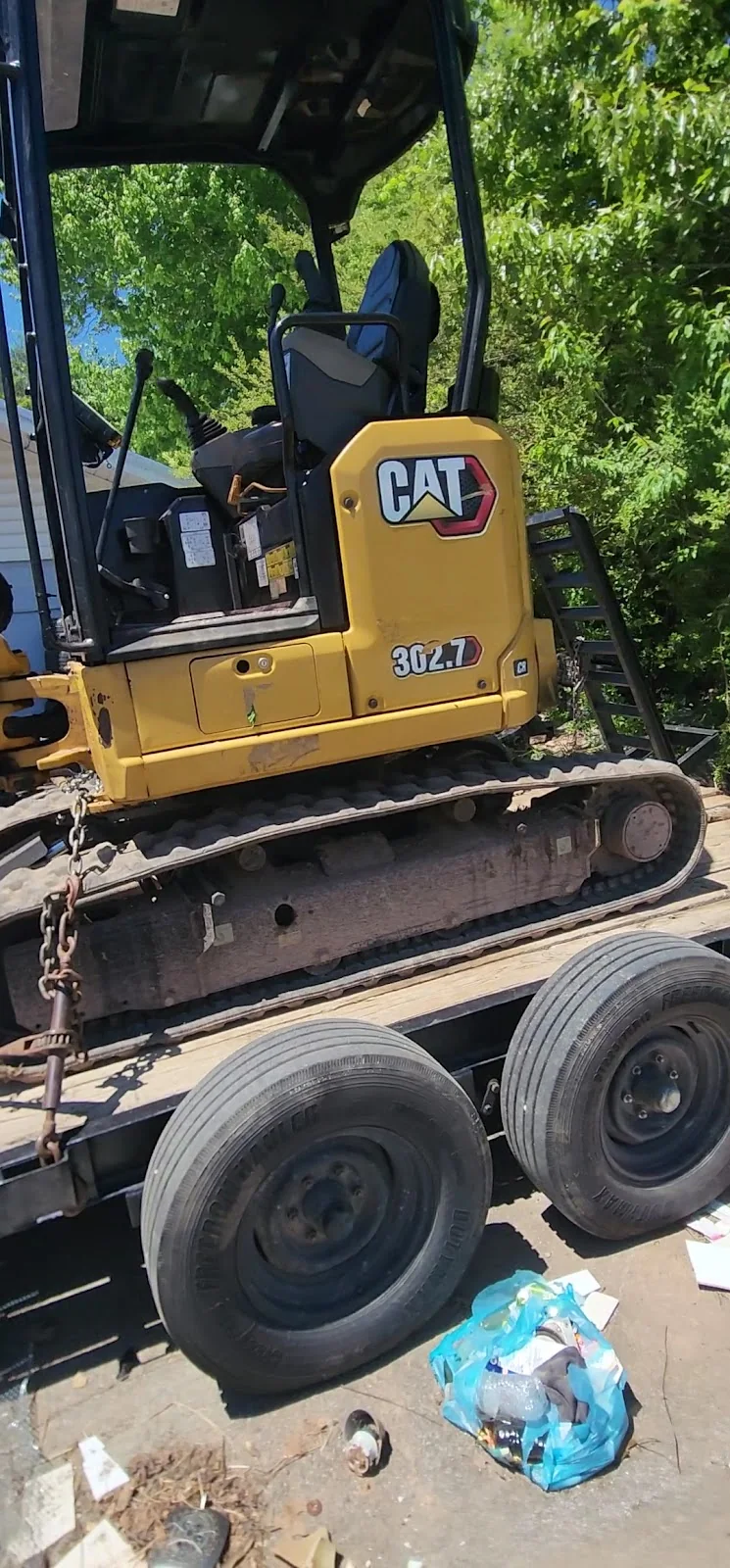
Laurel Park is a small Henderson County town wrapped around steep wooded ridges, and its street grid was laid out long before anyone thought about turning radii. Most lots here are pie-shaped or deep-and-narrow, hemmed by rhododendron, mountain laurel, and a neighbor's retaining wall that may or may not have been engineered. Where Asheville excavation often means opening a flat West Asheville yard, Laurel Park work usually starts with a question about access: can a mini-ex get to the cut, or does this job mean a track machine and a temporary mat road?
Two more local realities shape the scope. First, grades: a lot that looks reasonable from the road may drop 30 feet to the rear property line, which means any footing, pool, or driveway pad is also a retaining structure. Second, rock: the clay-and-schist profile under this town's hillsides surprises homeowners and even some out-of-county crews who bid from a satellite image instead of a site walk.
The road network matters as much as the dirt. Many Laurel Park lanes are narrow, uncurbed, and lined with mature hardwoods whose root zones extend past the pavement edge. A crew that shows up without a plan for protecting those root zones, or for keeping a loaded dump truck from cracking a neighbor's asphalt, is already behind. Add the fact that several streets climb at grades steeper than most delivery trucks prefer, and you get the defining feature of this town's excavation work: logistics first, dirt second.
Housing character reinforces the pattern. Laurel Park has a mix of mid-century cottages, newer custom builds tucked onto leftover flag lots, and a handful of larger estates on ridge-top parcels. Each type produces a different dig. The cottage remodel usually means a tight footing repair and a hand-dug trench. The custom build on a flag lot often means a long, engineered driveway cut with a culvert and a drainage easement. The estate on the ridge can mean a full hillside bench cut with a retaining wall and a haul-off plan. A bidder who has only worked flat subdivision lots will underprice all three.
Scopes and what they run in Henderson County
Pricing in Laurel Park tracks the Henderson County grading cost picture closely, with a hillside premium on top. The table below is what a fair bid typically looks like for common residential scopes. Any bid that comes in dramatically below these without a documented reason (small machine, no haul-off, no erosion control) is likely to grow once the first bucket hits rock.
| Scope | Typical range | Notes |
|---|---|---|
| Small footing / pier excavation | $900-$2,800 | Hand or mini-ex, no haul-off |
| Driveway cut and gravel base | $2,400-$6,500 | Length, slope, and culvert drive the spread |
| Full lot grading and drainage | $3,800-$9,500 | Swales, French drains, outlet protection |
| Basement or crawl-space dig-out | $7,500-$22,000 | Spoil haul-off and shoring add fast |
| Retaining wall base prep (per linear ft) | $45-$140 | Engineered walls price separately |
| Hillside cut with temporary access road | $12,000-$35,000+ | Mat roads, track hoe, and rock removal |
For the smaller adjacent town-specific jobs, see the Laurel Park grading contractor page — the excavation and grading trades overlap heavily here and it's worth reading both before you solicit bids.
What separates a low bid from a high one on the same Laurel Park lot is rarely the hourly rate. It's the assumptions. Does the bid include a geotech report review, or does it assume the soil is diggable? Does it include a temporary construction entrance with washed stone, or does it plan to track mud onto the street and hope no one complains? Does it carry a line for hauling spoil to a permitted fill site, or does it assume the dirt can be pushed into a ravine on the back of the lot? Those three questions alone can move a bid by several thousand dollars, and none of them show up in a one-line quote.
Rock is the quiet budget-killer in this zip code. Schist and weathered granite show up at depths that vary lot to lot, sometimes within the same block. A contractor who has dug foundations on one Laurel Park street and not another can still miss the rock line. That's why a site walk with a probe bar or a small test pit is worth the time. If a bidder refuses to walk the lot before quoting, treat that as a signal.
Erosion control is not paperwork here
Henderson County sits in the French Broad and Green River watersheds, and Laurel Park's slopes drain directly into them. The NC Office of State Fire Marshal and local code enforcement treat sediment and stormwater controls on graded sites as a first-class requirement — silt fence, inlet protection, and stabilized construction entrances are inspected, not optional. A crew that starts turning dirt without a control plan is a red flag regardless of what the price looks like.
Federal records back this up: 16 declared events touch this county (1978-2026), and the pattern is storm- and flood-driven. Every one of those events has sent water down the same slopes Laurel Park excavation crews work on. The takeaway for a homeowner is simple: how your site drains after excavation matters as much as how it looks during it. Ask any contractor to show you where the outflow will land, and who owns that downstream property.
The U.S. Environmental Protection Agency frames the same issue from the stormwater side: sediment is the single largest pollutant by volume in many urban and suburban watersheds, and disturbed hillsides are the worst offenders. On a Laurel Park slope, a bare cut left unseeded through a rainy week can move a surprising amount of clay downhill. That clay doesn't just disappear — it lands in a neighbor's driveway, a creek, or a storm inlet, and someone ends up paying to clean it out.
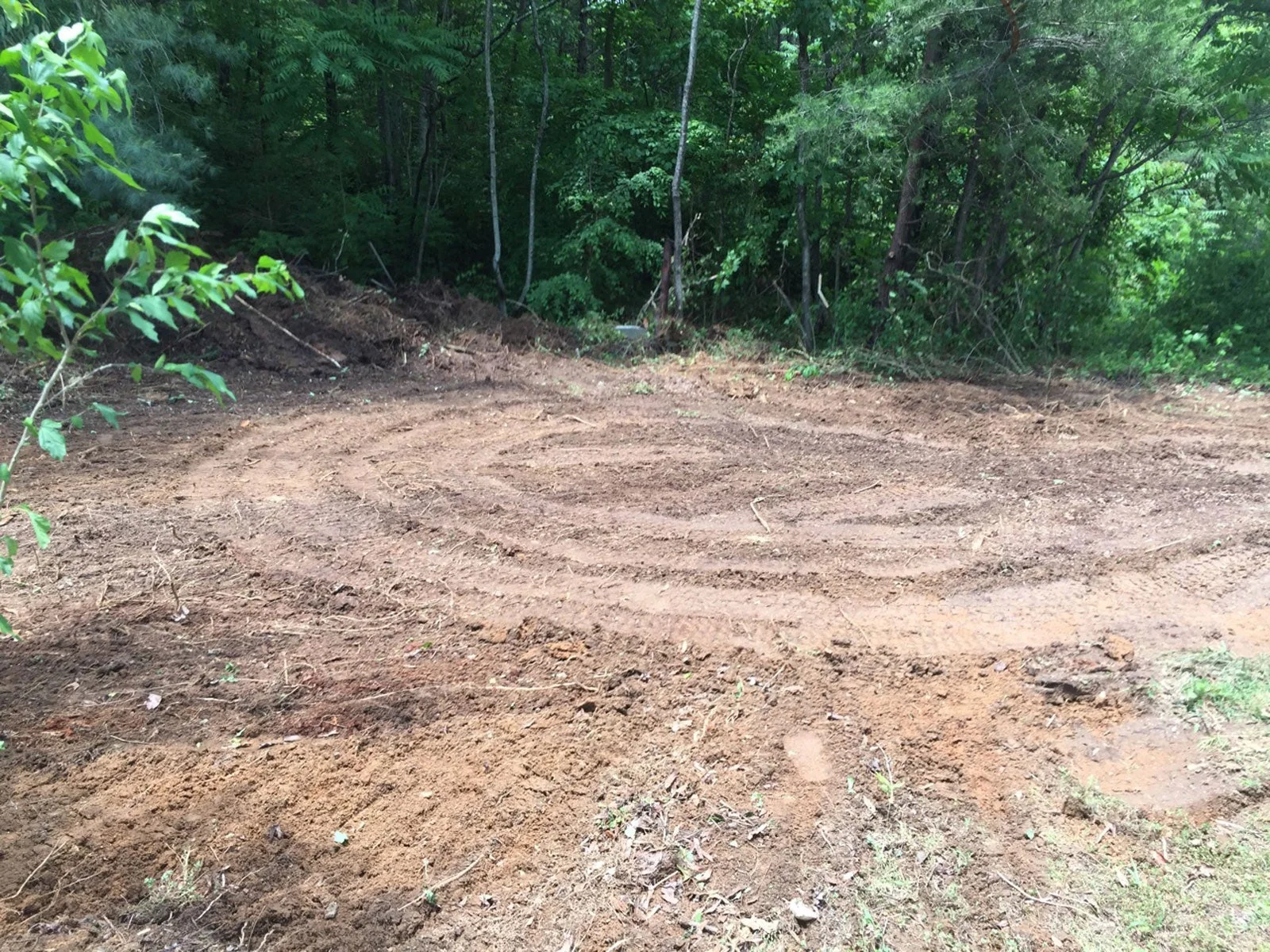
Practical measures that show up on well-run jobs here include silt fence set on the contour rather than in a straight line, inlet protection on any storm drain downhill of the cut, a stabilized construction entrance of washed stone, and a stabilized outlet for any temporary swale or pipe. A good contractor also plans for what happens when work pauses. A site that sits undisturbed for two weeks mid-project still needs cover, and the erosion control plan should say who maintains it.
Licensing, permits, and the questions that matter
North Carolina draws a clear line for who can legally take on larger excavation and grading contracts. The North Carolina Licensing Board for General Contractors sets the threshold, and any job above it needs a licensed GC in charge even if the excavator is a sub. Ask for license status before you sign, and ask whether a separate permit is pulled for the grading plan — in Laurel Park, hillside cuts and retaining walls over a certain height typically are.
A few Laurel Park-specific questions worth asking on the first visit: How will you get equipment to the cut without damaging the driveway or the neighbor's yard? Where does the spoil go, and who pays the dump fees? What does your erosion control plan look like in month two, not just week one? An excavator who has worked these hills will answer these without flinching. One who came in from the flat side of the county usually will not.
It also helps to ask who carries the liability if a cut destabilizes a slope on an adjoining parcel. In a town where lots sit close together and grades change fast, a hillside cut near a property line is a shared risk. Ask the contractor to describe the sequencing — cut, shore, drain, stabilize — and where the responsibility line sits at each stage. A vague answer here is worth more attention than a low number on the estimate.
When you're ready to compare companies rather than just prices, the excavation contractor guide walks through what a proper site visit, estimate, and contract should contain for a Henderson County job.
Season, weather, and the Laurel Park calendar
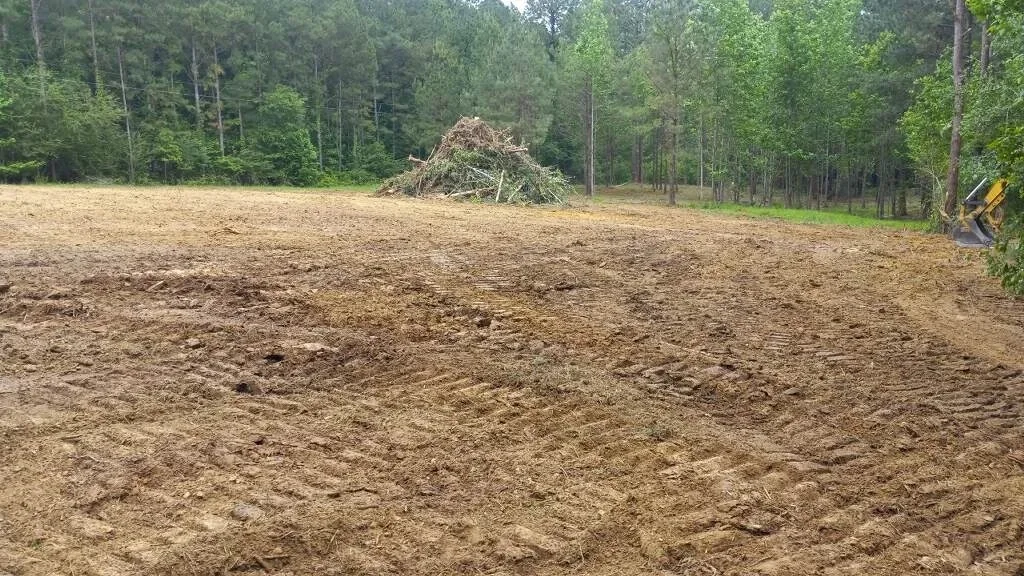
Excavation in these hills runs year-round, but the calendar shapes the job more than it does in flatter parts of the county. Late winter and early spring bring saturated ground, which means heavy machines can rut a yard or bog down on a slope that was firm a month earlier. A contractor with local experience will plan a lot grading or driveway cut around that window, or bring mats and a smaller machine rather than fight it.
Summer thunderstorms are the other variable. The National Weather Service issues short-fuse flood and severe thunderstorm warnings for this region regularly, and a freshly cut slope with a bare face is vulnerable on those afternoons. Good crews watch the forecast and cover or seed a cut before a storm front rather than after. It's a small habit that separates a smooth project from a sediment complaint and a repair bill.
Fall is often the sweet spot for Laurel Park excavation. Ground is usually firm, rainfall is more predictable, and the leaf-off canopy makes it easier to see grades and drainage paths that were hidden in summer. It's also a busy window for contractors, so booking a site visit early matters if a project needs to be finished before winter.
Winter work still happens on well-drained slopes, but it comes with caveats. Frozen ground can look solid and then thaw into a mud pit under a machine. Rock removal is often harder when the ground is locked. And any disturbed soil left exposed through a freeze-thaw cycle loses structure, which complicates final grading. A contractor who accounts for these realities in the schedule is usually the same one who accounts for them in the bid.