How a Waynesville dig actually sequences, day by day
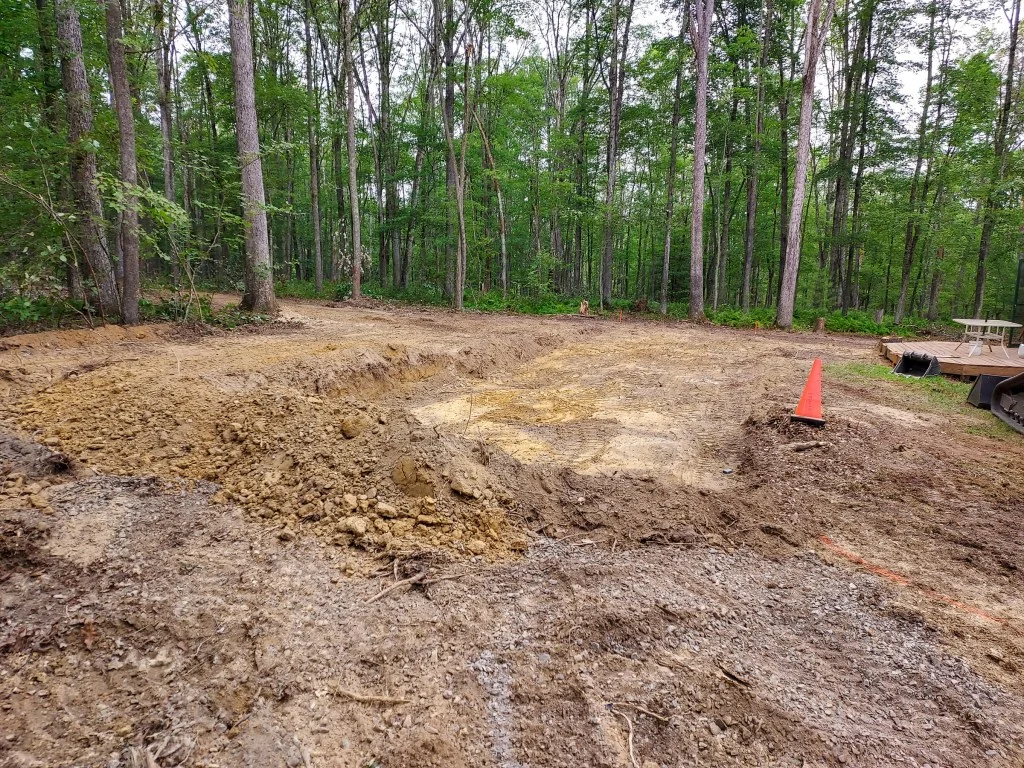
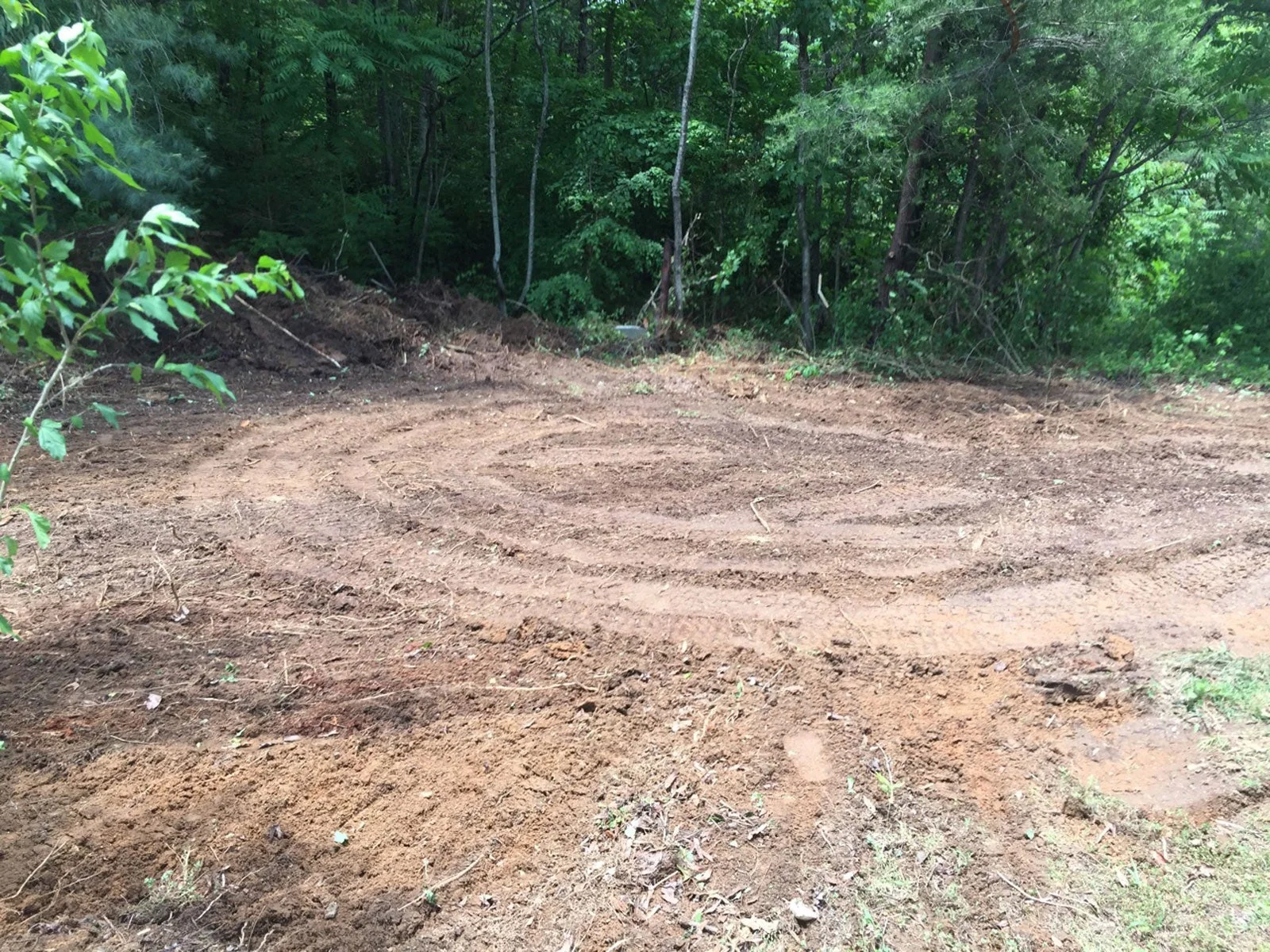
The order of operations is the honest story on any Haywood County excavation. Layout and utility locates come first, and on the older in-town streets off Main and Depot, locates can eat a full day because service records for pre-war homes are thin. Next: strip and stockpile topsoil separately, because you will want it back for final grading. Then the cut itself, and only then footing trenches at final subgrade. Skipping the separation step is the classic cheap-bid shortcut, and it shows up later as a yard that won't drain.
A straightforward footing dig for a crawl-space home here runs three to five working days. A full walk-out basement cut on a slope lot in the Russ Avenue or Ratcliffe Cove areas runs seven to ten days, because one wall is deep, one is shallow, and the machine has to work from benches rather than a flat pad. Inspection timing matters too; footing inspections are scheduled events, and a crew that misfires the trench depth loses a day or more waiting on the re-visit.
What the ground under Waynesville does to a bid
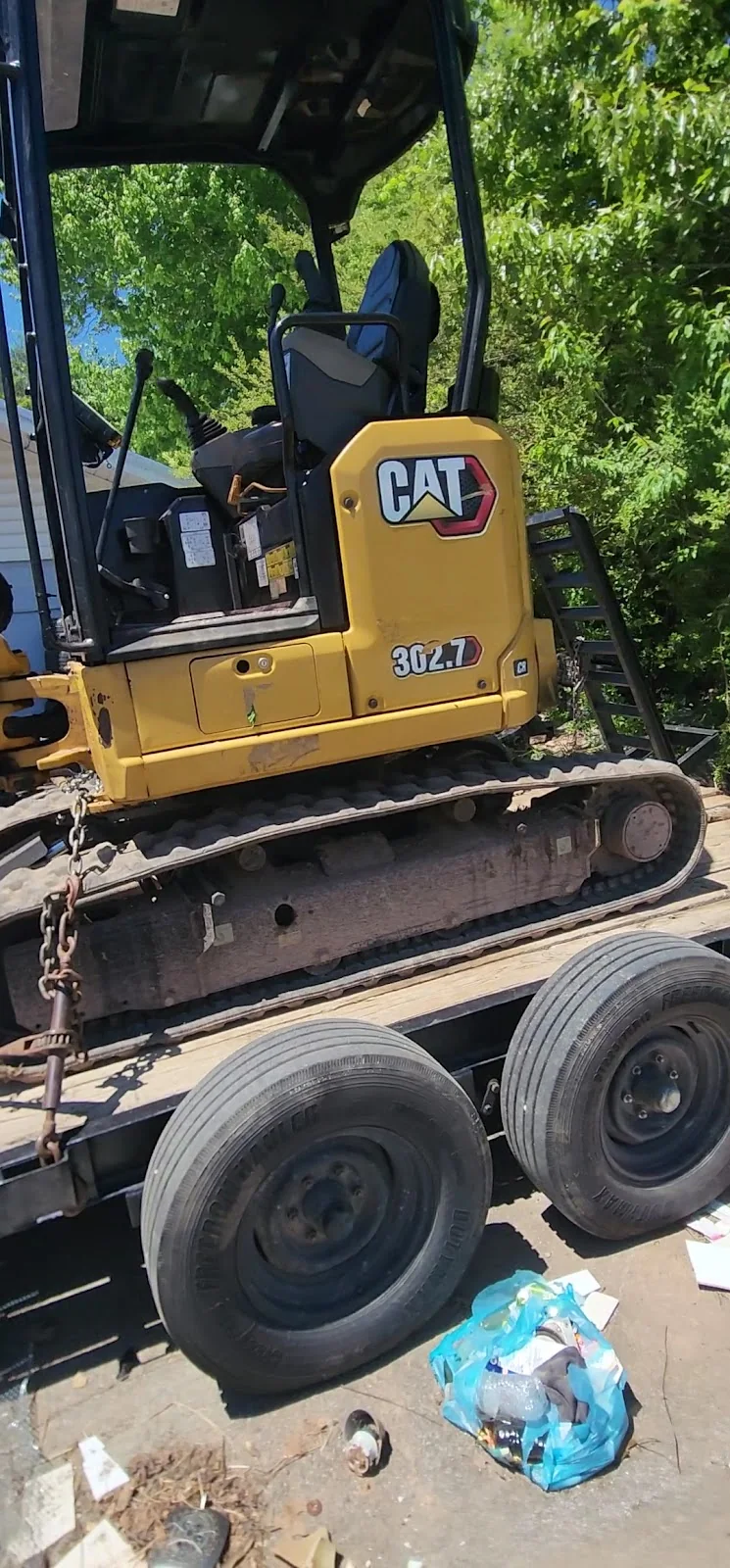
Waynesville sits in a valley ringed by steep ground, and the soil profile changes fast over short distances. In-town lots frequently hit weathered rock and old fill; hillside lots above town hit clay over rock with a shallow refusal depth. Both facts show up in the price. An excavator that can cut to grade in one pass with a standard bucket gets replaced by a breaker or a smaller machine, and machine hours are the largest line on the invoice.
Access is the second mover. A lot with a wide, direct driveway is a fundamentally different job from a lot where the machine has to be walked in behind a house on a five-foot path. When access is tight, expect more hand work at the trench, longer duration, and a higher number within the same honest band. That is not upselling; it is arithmetic.
Footing-only versus full foundation: scope and price table
| Scope | Typical price range | What drives position in the range |
|---|---|---|
| Footing excavation only (spot footings, pier pads, additions) | $1,200–$4,500 | Trench length, rock refusal, hand-dig requirements near existing structures |
| Crawl-space foundation dig, standard lot | $3,500–$8,500 | Machine access, spoils haul-off versus on-site stockpile, frost-protected depth |
| Full basement or walk-out cut | $8,000–$18,000 | Cut depth, benching on slope, retaining needs, export of excess material |
| Drainage and backfill package added to a dig | Quoted inside the same band | Footing drains, gravel, and final grading complexity |
Use the county figures as a cross-check against any quote you receive; the Haywood County grading cost breakdown shows how dirt work, hauling, and finish grading price out around Waynesville.
Hiring and code realities on a Haywood County dig
Two things worth confirming before dirt moves. First, who is responsible for the dig and who is responsible for the foundation itself; on many Waynesville jobs those are different trades, and the handoff between subgrade and concrete placement is where finger-pointing starts. Second, on any project past a modest scope, verify the contractor's standing with the NC Licensing Board for General Contractors, which sets the threshold where a licensed general contractor is required.
On the technical side, footing depth, bearing, and drainage are code items, and the International Code Council publishes the model provisions that North Carolina's residential code builds from. The practical translation for a homeowner: footings must bear on undisturbed or properly compacted soil at the depth your plans specify, and the excavation has to expose conditions clearly enough for the inspector to verify that. A crew that leaves a muddy, sloughed trench is creating a re-inspection, not a foundation.
Weather, water, and why the schedule has float built in
Haywood County's federal disaster record runs long and is dominated by storm and flood events: 19 declared events touch this county across 1973-2026. That history is the reason excavation schedules here are never written in stone. A trench left open overnight in a heavy rain event fills, sloughs, and has to be re-cut. The experienced sequence in this valley is to excavate and place concrete in the same window whenever possible, and to keep the National Weather Service forecast, weather.gov, in the morning routine rather than treating it as an afterthought.
That also explains a question homeowners ask constantly during a dig: why the crew sometimes covers or pumps a trench rather than pressing forward. It is not delay for its own sake; concrete placed into a flooded or softened footing trench is a repair waiting to happen. Slope-lot drainage above the cut is another Waynesville-specific consideration. If the uphill side of the site sheds water toward the new foundation, that has to be handled during the dig, not patched after.
Where excavation fits in the larger site work
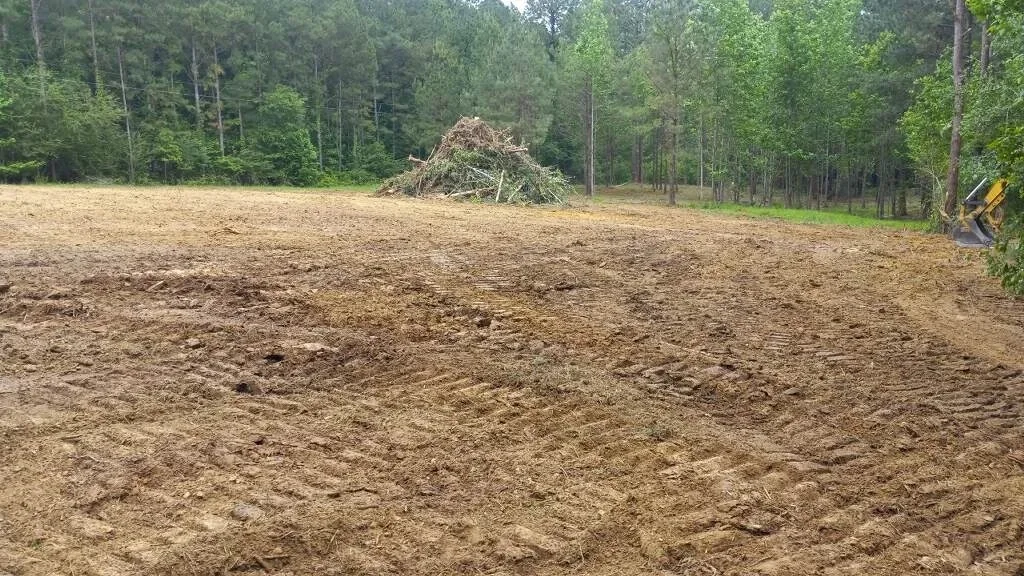
Foundation excavation is one link in a chain that starts with clearing and ends with the yard draining away from the house. On new builds around Waynesville, the excavation is usually bid inside a larger site-work scope, and the cleanest bids break out the dig separately so you can see what you are actually paying for dirt versus concrete versus finish grading. The foundation excavation overview explains how that scope is normally divided and where overruns tend to originate.
When the dig is done, the backfill and final grade are the parts that determine whether the basement stays dry. If you have not yet chosen the crew for that phase, the local option is to keep the same contractor through backfill and finish grading; the Waynesville grading contractors page covers what to look for and what questions to ask before signing.