The ground here is already talking — read it before anyone cranks a saw
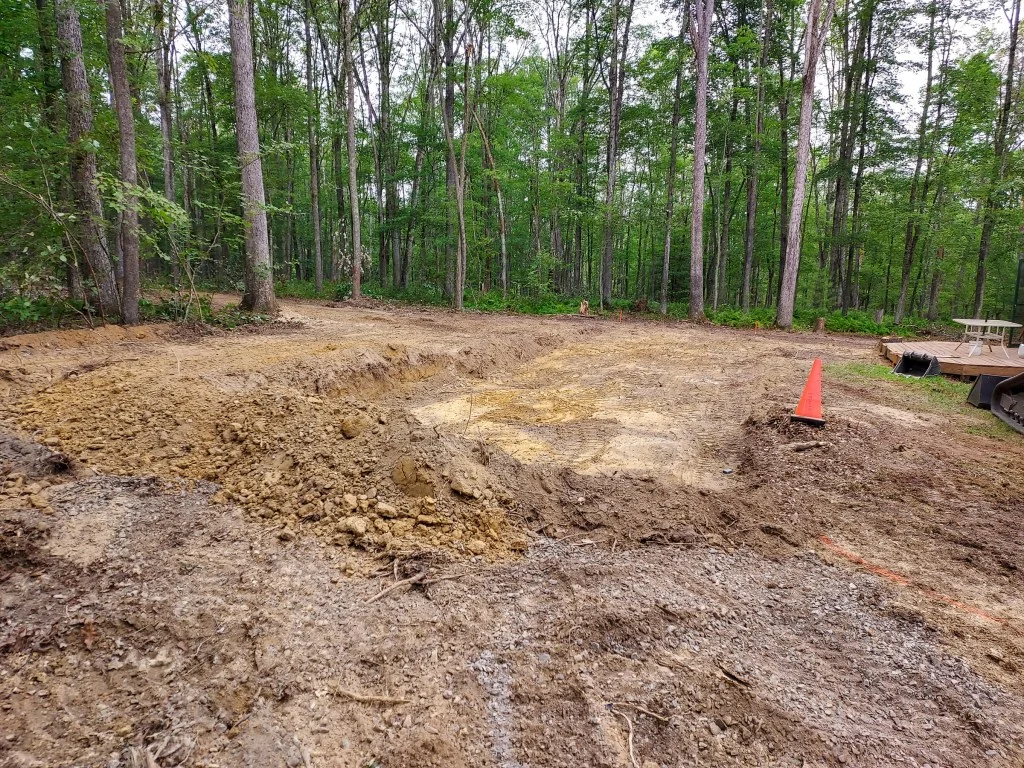
Around Hot Springs the terrain does half the site-planning for you. The French Broad has cut a corridor through Madison County, and most buildable land climbs away from it in a hurry, so a lot that looks generous on a listing photo is really a bench, a bank, and a spring seep you cannot see until the leaves drop. Before a single tree comes down, the smartest money is spent walking the existing driveway, the old homesite pad if there is one, and the low corner where water already sits. A driveway cut years ago tells you where the ground drains. An old pad tells you where somebody already solved the cut-and-fill problem. A wet seam tells you where your clearing limits need to stop, not where you wish they could.
That read is also the one that most protects your wallet, because clearing does not fail all at once. It fails in the follow-on: the road that cannot take a loaded dump truck after a rain, the pad that ruts out because the uphill side was never shaped, the county road approach that the state will not let you widen. Fixing a driveway or pad is orders of magnitude cheaper before you clear than after, when heavy equipment has already tightened every margin. This is why we lead with assessment. See the statewide clearing overview at our land clearing page for the categories, then bring the local ground truth.
What Madison County clearing actually involves
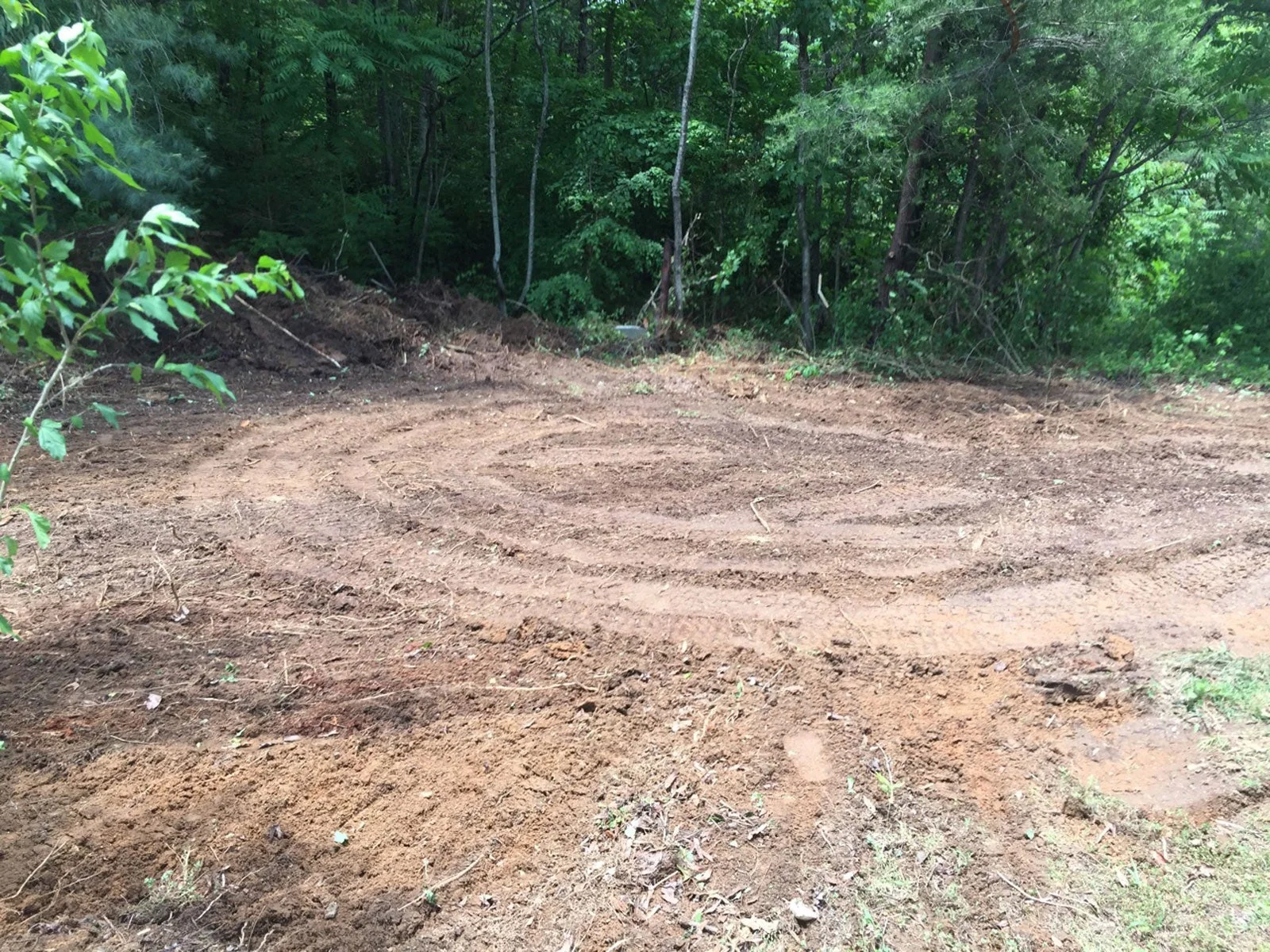
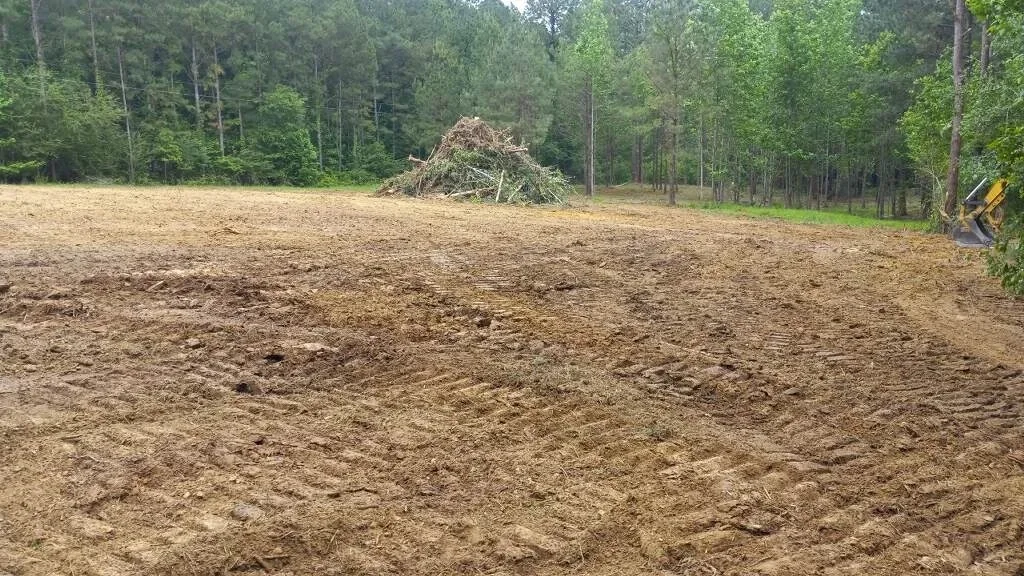
Clearing out here is not a flatland mow-down. Three things drive scope: how steep, how wet, and how much of the material can stay on site. Steep ground needs a machine that can work on it, an operator who respects it, and a plan for erosion control that pages in the state fire and building code, not just the invoice. Wet ground near the river bottoms can hold a machine hostage for weeks after rain. Material that can be chipped, burned (with the right permit and conditions), or buried reduces hauling, and hauling is often the single biggest line on the bid.
For any project that crosses a certain scope, contractor licensing comes into play. The NC Licensing Board for General Contractors is the place to confirm who is qualified for work at that level, and it is a fair question to ask before you sign. Erosion control, stream buffers, and any work touching a waterway are governed through the state code framework administered by the NC Department of Insurance / Office of State Fire Marshal and the Building Code Council. A legitimate clearing bid will name those obligations rather than wave at them.
Typical clearing and grubbing price ranges in Hot Springs
Numbers below are honest regional bands for Madison County work, not a quote. Every site is different, and the fastest way to a real figure is a walk of the access and the slope. For a fuller line-item picture including grading and drainage, see the Madison County grading cost breakdown.
| Scope | Typical range | What moves the price |
|---|---|---|
| Brush and small-tree clearing, easy access | $1,800–$4,500 | Density, distance to dump site, chipping vs. hauling |
| Clearing with grubbing (roots out), gentle slope | $3,500–$8,000 | Acreage, stump size, undercut volume |
| Steep-slope clearing with erosion control | $6,000–$14,000 | Grade, silt fence, matting, access limits, haul cost |
| Pad prep and building envelope only | $2,000–$6,500 | Cut/fill volume, spoil placement, retaining needs |
| Driveway rework tied to clearing | $1,500–$5,500 | Length, base depth, culvert, grade correction |
Read the table as scale, not promise. On a Hot Springs ridge lot, one tight switchback can add more cost than the acreage behind it.
Water moves the equipment budget more than trees do
The regional flood and storm record explains why so many local clearing jobs turn into drainage jobs: 21 federally declared events have touched this county across 1978-2026. That is not trivia. It is the reason the wise scope includes a clear look at where the water will go once the canopy is gone, because removing trees changes runoff almost immediately. Clearing a slope without shaping it is how a driveway becomes a gully in one storm season. A licensed grading contractor who works slopes for a living should be part of the conversation before clearing, not after. If you need that kind of operator, our Hot Springs grading contractor page covers how to check references and how to compare scopes honestly.
Questions that separate a real bid from a hopeful one
Ask any bidder where the spoil goes, how the access road is protected during the work, and what the erosion-control sequence is at the end of each day. Ask who pulls any required permits and what happens if a burn day is called off. Those answers tell you more than the total. The EPA maintains plain-language guidance on stormwater and erosion that is worth a skim before you sit down with anyone, because a contractor who can talk through it without hand-waving is usually the one you want. For projects with larger scope, confirm licensing through the state general contractors board as a standing habit, not a suspicion.