What actually moves the number on a Laurel Park dig
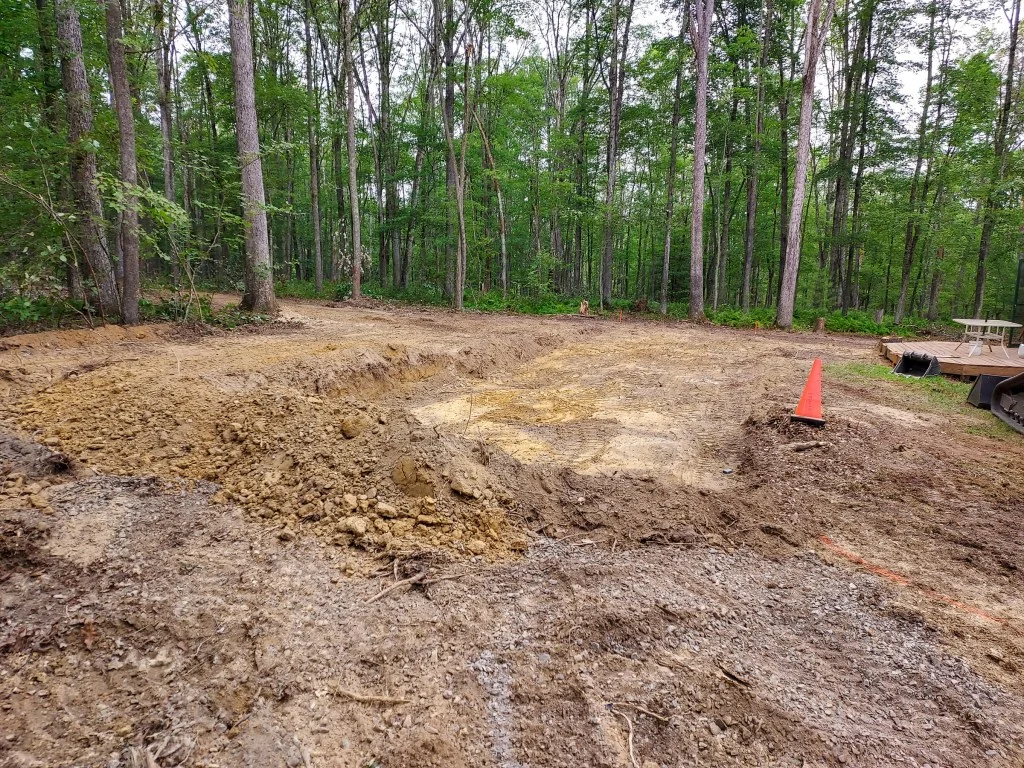
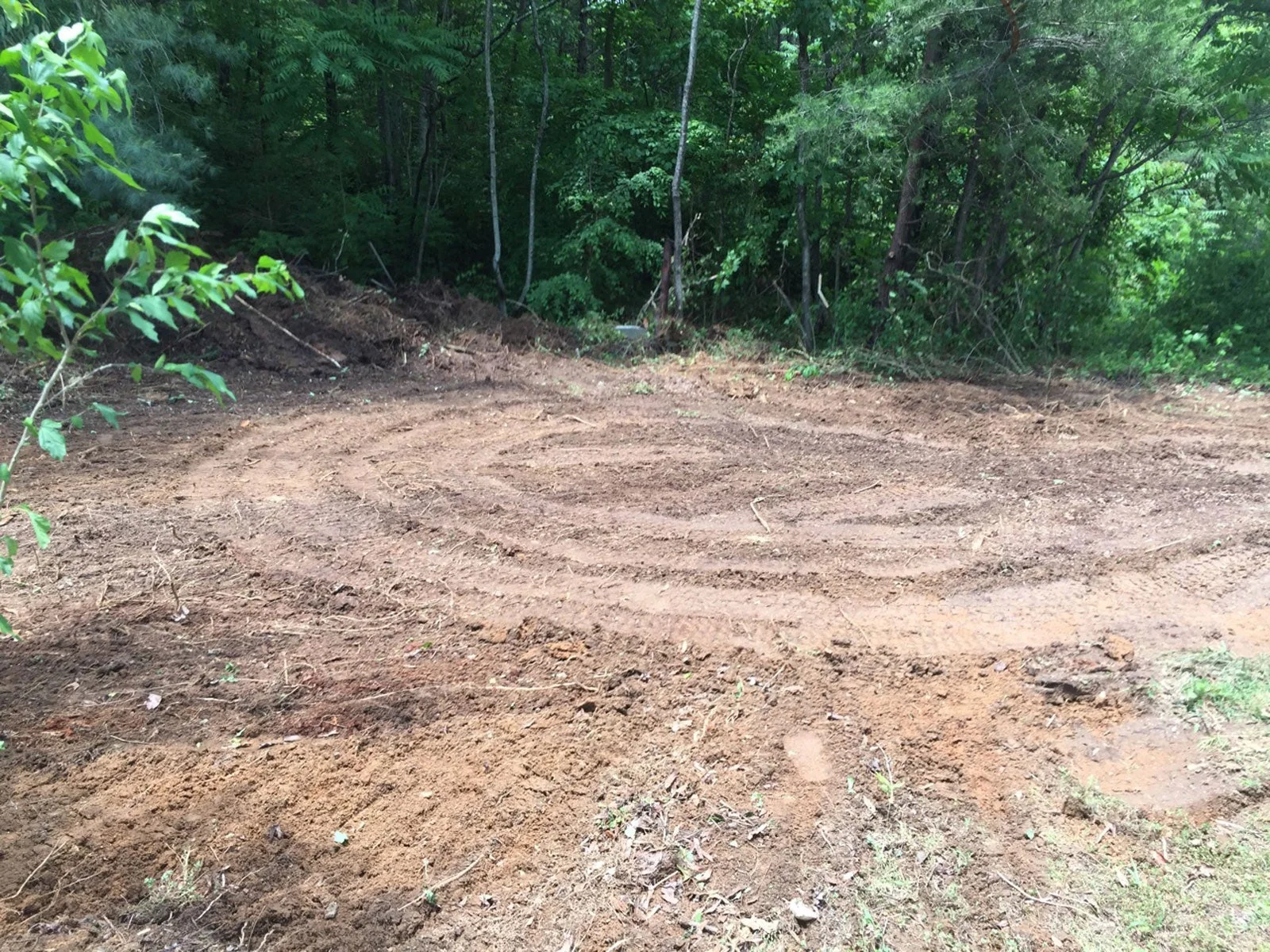
Foundation excavation in Laurel Park NC rarely prices like foundation excavation anywhere flat. The town sits on the ridge above Hendersonville, county seat of Henderson County, and most of its housing climbs the slopes between the Ecusta Road corridor and the steep wooded lots above Laurel Park Highway. A machine cannot always reach the back wall on those parcels, and when it cannot, the line items multiply: hand work, longer hose runs, a pump, and stabilization where the uphill side keeps sloughing.
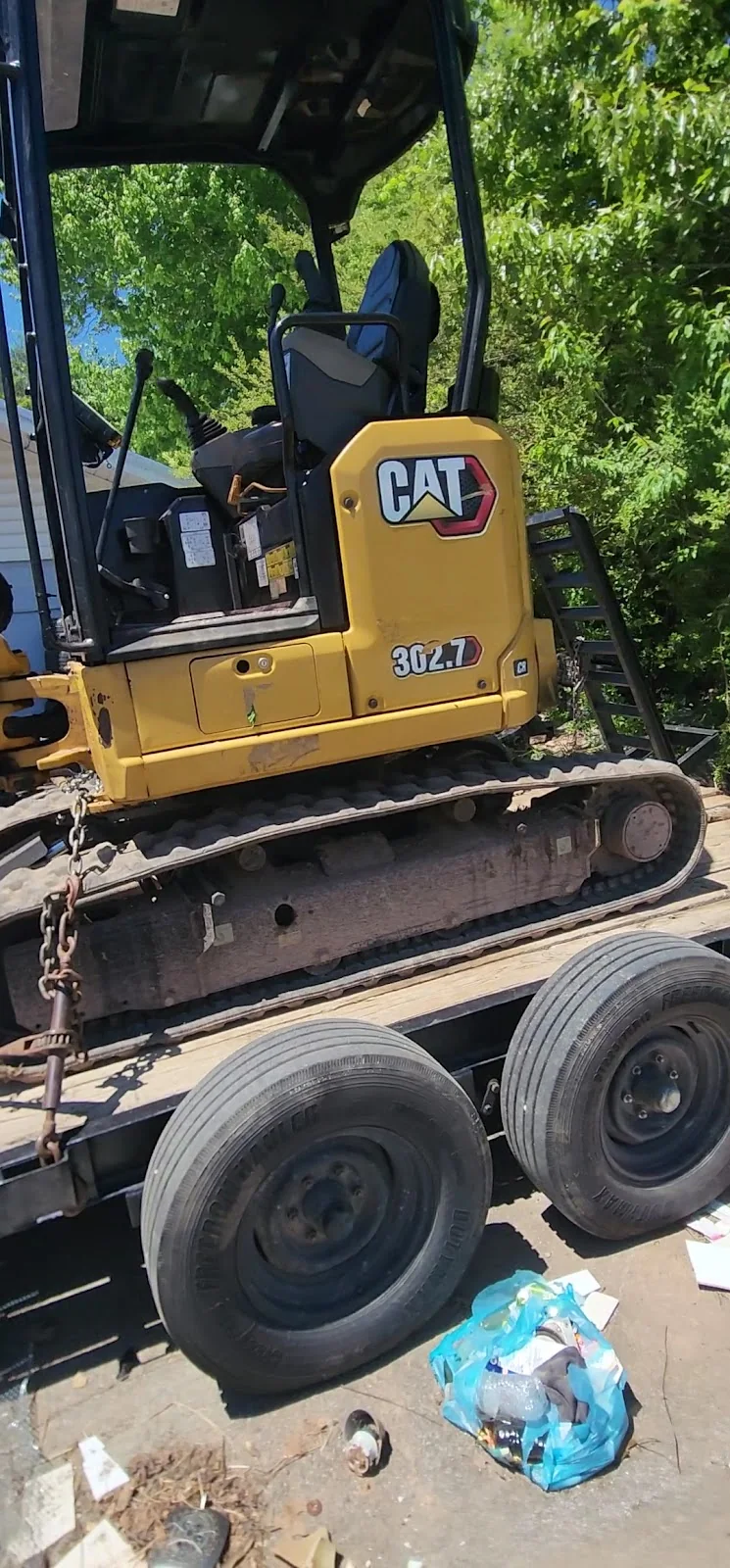
On a typical lot here, the bill anatomy looks like this. Dig depth and spoils volume set the base. Machine access — driveway width, turn radius, overhead lines — sets whether you need a smaller rig or a conveyor. Soil type sets whether you can leave an open cut or pay for shoring. Haul-off sets whether spoils leave the site at all, because on a steep lot there is often nowhere to push them. And water sets whether the crew spends half a day dewatering before any footing form goes in. Two contractors can quote the identical crawl space and land thousands apart purely on how they handled access and spoils.
The scope-to-price table for Henderson County footing work
These ranges cover the excavation scope itself, not the concrete, rebar, or foundation walls that follow. They sit inside the site-wide band and narrow it for the ground conditions this county actually has.
| Scope on a Laurel Park lot | Typical range | What pushes it up |
|---|---|---|
| Footing trench only, simple grade, open access | $1,200–$4,500 | Depth past 36 inches, rock, hand work near existing walls |
| Crawl space or basement dig, moderate slope lot | $3,500–$9,000 | Spoils that must leave the site, tight machine access |
| Full dig on a steep ridge parcel with shoring | $9,000–$18,000 | Shoring, dewatering, conveyor or crane assist, engineered fill |
The full service scope lives on the foundation excavation page, and the earthwork side of the same job is priced on the Henderson County grading cost breakdown, since most Laurel Park projects need both.
Why this town digs differently than the valley below
Drive from Hendersonville's flat Main Street grid up into Laurel Park and the geology changes within a couple of miles. The town's parcels are cut into slopes, and a large share of its housing stock dates from the mid-20th century, when builders set foundations into the hillside with minimal cut and fill. That means a new dig often runs up against an old retaining wall, a mature root system, or a footer poured on ground that was never properly compacted.
Slope also means drainage is a safety issue, not a comfort one. 16 federally declared events reach this county across 1978-2026, and the pattern is storm and flood driven. Excavation that leaves an uphill face open through a wet week can move. The National Weather Service outlook for the southern mountains is worth checking before scheduling a dig, and any crew working here should be building the dewatering plan into the bid rather than discovering it on day one.
Henderson County's position as a mountain county also means the ground can surprise you: clay that holds water, saprolite that looks solid until it is not, and rock shelves that stop a mini-excavator cold. Contractors who work both the valley and the ridge price differently for each, and the difference is legitimate.
Access, spoils, and the two questions that separate bids
The first question is where the dirt goes. On a flat lot the answer is a pile in the back. On a Laurel Park slope lot, spoils often have to be trucked out, and haul-off is a real line item that appears on some bids and hides inside a higher base price on others. Ask directly.
The second is what happens if the cut is unstable. Shoring, benching, and engineered fill all carry cost, and a bid that assumes none of them will need it is either optimistic or padded elsewhere. The International Code Council codes that North Carolina adopts treat foundation drainage and footings as prescriptive requirements, and OSHA-style excavation safety rules govern how long a cut can stay open before it must be protected.
Licensing matters too. Once a project crosses the state's cost threshold, the general contractor needs to be licensed through the NC Licensing Board for General Contractors, and excavation-only work sits in a gray zone that the board's guidance clarifies. For a project that combines digging, grading, and drainage, you want one licensed contractor accountable for the whole sequence rather than three trades blaming each other.
Sequencing the job so water is handled before the pour
The order of operations on a slope lot is not negotiable if you want the foundation to last. Excavate, then immediately address where water goes, then form and pour. Skipping the middle step is how a new footing gets undermined within a season. That means perimeter drainage, a swale or French drain on the uphill side, and gutters routed away before the concrete truck arrives.
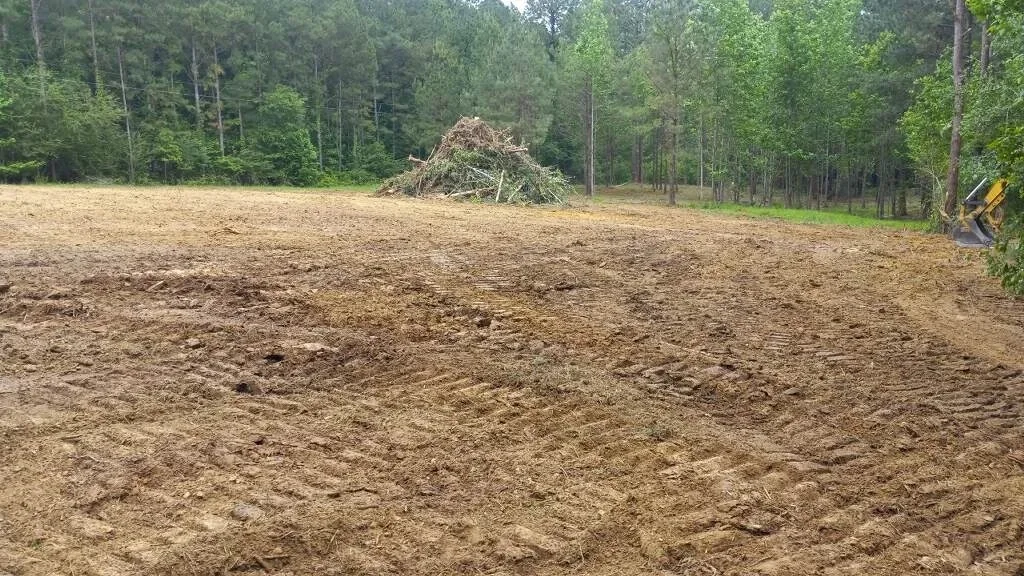
This is also where a Laurel Park grading contractor earns their keep, because the earthwork and the drainage design are the same conversation. Get the excavation scope and the grading scope quoted together, since splitting them across two crews is how drainage ends up as an afterthought. When the ground is ready and the water has somewhere to go, the foundation work underneath it becomes a much simpler bid.