Red clay, rock, and old fill decide the number before the machine shows up
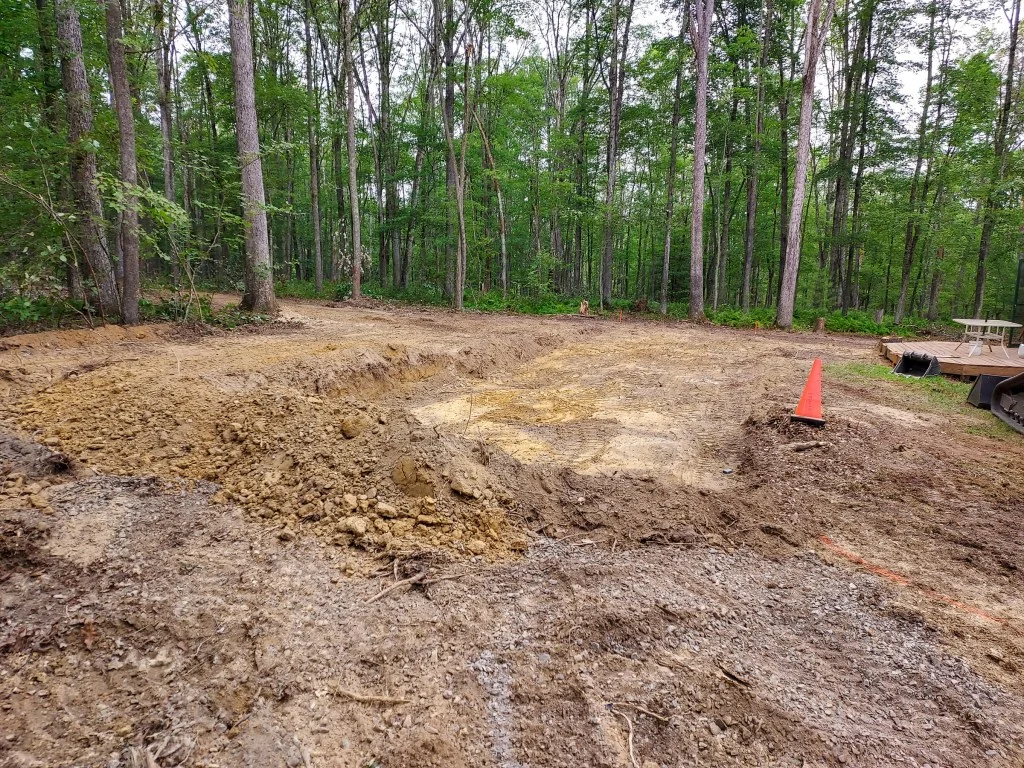
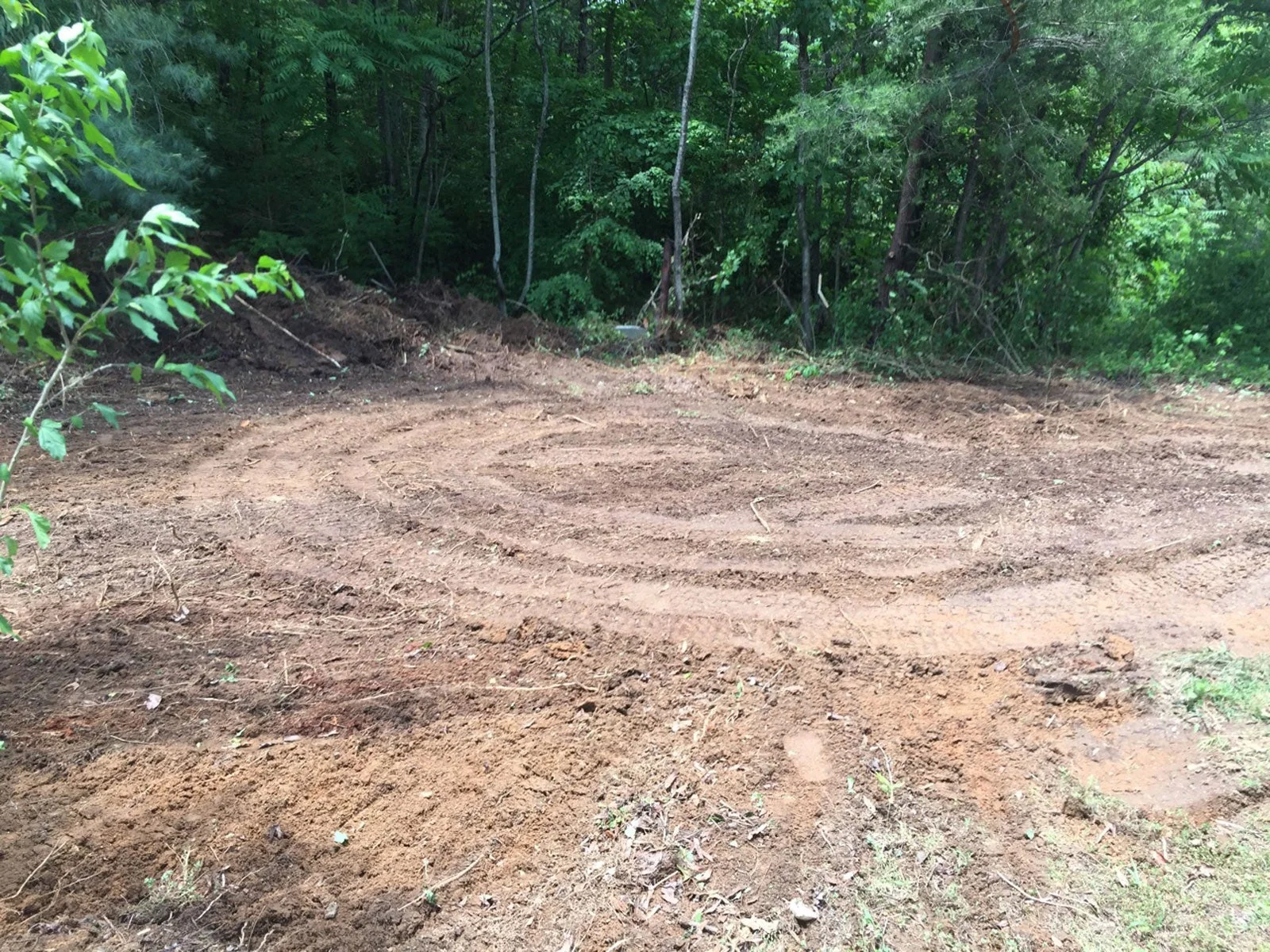
Dig anywhere around Mars Hill or Marshall and the ground changes fast. One lot is red clay that holds water like a bowl, the next is river rock and saprolite coming out of a hillside cut, and a third sits on fill pushed into place decades ago that nobody compacted to modern spec. Two neighboring properties with identical-looking yards can come back with bids thousands apart because the dirt sets the price before an excavator ever rolls. That's the whole story of grading cost Madison County NC: soil first, scope second, price third.
Each material demands a different approach. Clay needs proper slope and drainage or it ponds and heaves. Rock means ripping, drilling, or importing topsoil to reach a finishable grade. Old fill means over-excavation and recompaction before anything gets built on top. A grader who quotes your job without asking what's down there is quoting a different property.
Terrain around Hot Springs and the Shelton Laurel area sharpens the point. Hollows hold moisture longer, so clay there stays plastic well into spring and won't compact until it dries. Ridge-top lots drain fast but shed water onto everything below. West-side lots often carry a scraped-together mix that never got engineered: topsoil pushed to one side, clay from the cut piled on the other, stone from the original clearing left in place. Grade over that without sorting it and you get uneven settlement for years.
What homeowners around the county seat actually pay
Ranges below are honest working numbers for residential work in this county, not quotes. Terrain and soil vary so much lot to lot that a firm number before a site visit is guesswork.
| Scope of work | Typical Madison range | What drives it |
|---|---|---|
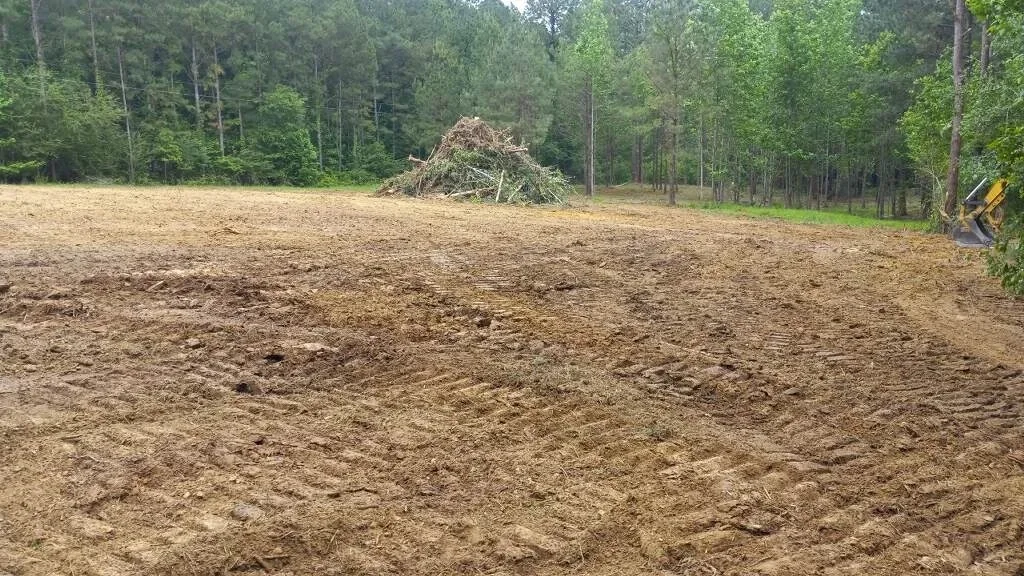
| Yard regrade / rough finish grade | $1,200 – $3,800 | square footage, existing slope, drainage tie-in |
| Driveway cut and gravel base | $2,200 – $5,200 | length, grade change, rock encountered |
| Building pad cut and compact | $3,000 – $6,500 | cut/fill volume, over-excavation, compaction testing |
| Rock excavation (per hour, when hit) | $180 – $350/hr | rock type, machine size, access |
| Steep-lot cut with fill import | $6,000 – $8,000+ | haul distance, retaining, engineering, drainage |
Rock is the wildcard line item on every one of these. On Madison hillsides, hitting rock is common enough that a bid should say up front how it will be handled, whether that's a per-hour rate or a defined allowance.
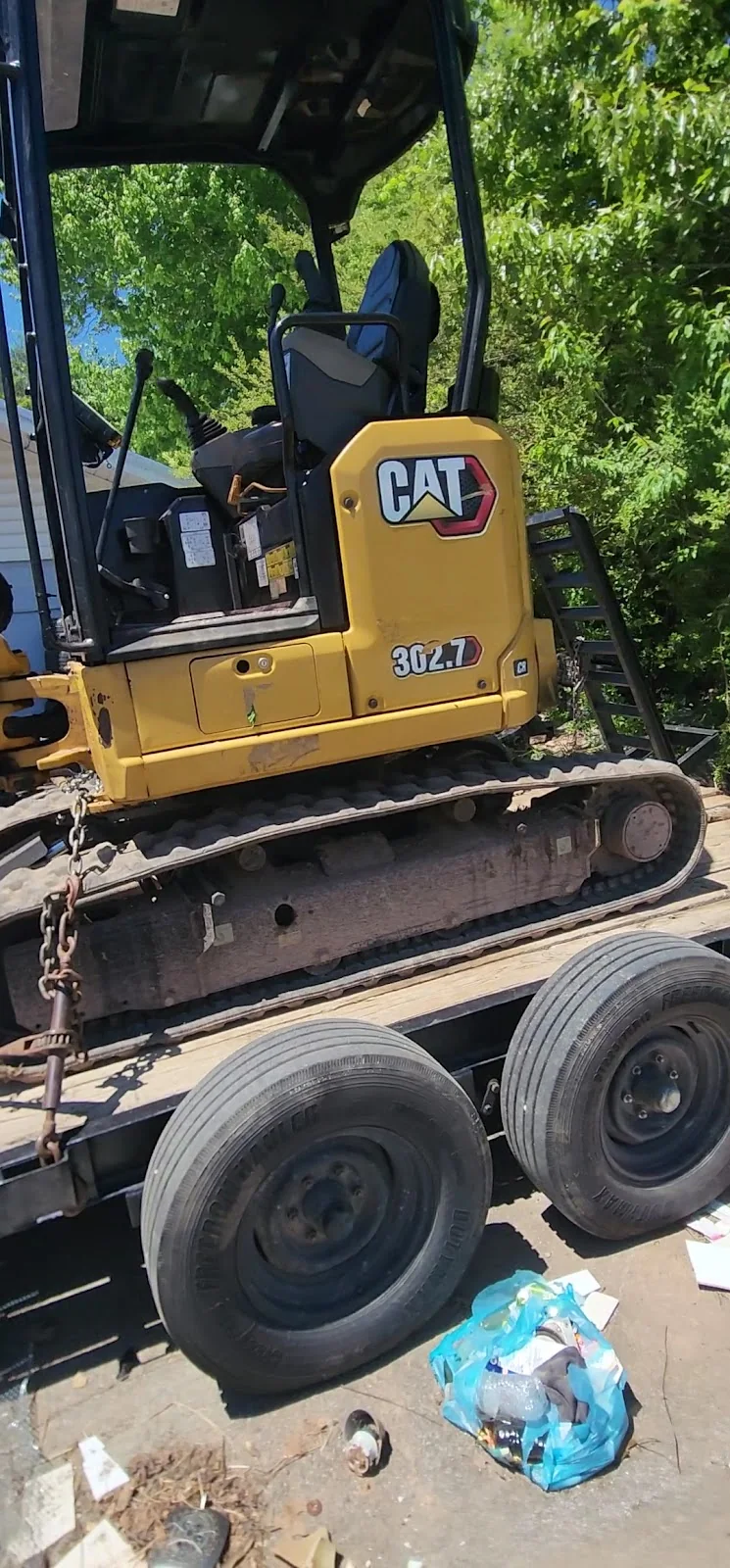
Access is the second quiet cost driver. A lot with a wide, gentle approach off a state road lets a full-size excavator and dump truck work efficiently. A steep, narrow gravel drive up a hollow might only fit a mini-excavator, and every bucket of spoil has to come down the same tight track. Compare quotes by asking whether the price assumed full-size equipment access. If it did and the machine can't get in, the number was never real. Haul distance matters too: sourcing fill from a pit twenty minutes away versus an hour away changes the trucking line substantially.
Water is the grading problem that actually sinks projects
Most grading failures here trace back to water that wasn't directed anywhere. A slope cut into a Mars Hill hillside catches uphill runoff against the new grade every time a system stalls over the Blue Ridge, and the federal record backs that up: 21 federally declared disaster events touch Madison County over 1978-2026, most of them storm and flood family. That history shows up as washed-out fill, saturated clay that won't compact, and driveways that rill after every heavy rain.
A grading quote that finishes the dirt but ignores where the water goes is a quote for doing the job twice. Pair the earthwork with a drainage plan, whether that's a swale, a French drain, or a simple grade-away-from-structure design. Our grading and excavation guide covers how the two pieces fit together.
The pattern matters as much as the total. Long soaking events saturate clay until it can't take another drop, then a short intense burst runs off the surface and cuts channels into fresh fill before grass or gravel stabilizes it. A plan built for a gentle soaking doesn't survive that second kind of storm. The National Weather Service (NWS) tracks the flood and flash-flood patterns that shape this county, and property owners can pull local precipitation history before scheduling earthwork. Finish the dirt in a dry window, get drainage and cover on immediately, and don't leave a bare cut exposed through a wet stretch.
Permits, licensing, and code for earthwork
Grading itself doesn't always require a county permit in North Carolina, but anything touching a building pad, a retaining wall over a certain height, or erosion control during construction almost always does. State rules that local inspectors enforce come from the NC Department of Insurance Office of State Fire Marshal (NC OSFM), and land-disturbing activity of any real size runs into the state's erosion and sediment control requirements. If a contractor waves off permits on a pad or retaining wall, that tells you what their engineering looks like too.
Larger grading and excavation jobs fall under state licensing threshold rules from the North Carolina Licensing Board for General Contractors (NC LBGC). Erosion and sediment control is where most Madison County grading projects cross the line into regulated work, usually because disturbed ground drains toward a creek, a road ditch, or a neighbor's property. Our NC grading permit rules page walks through what actually triggers a permit here.
When a pad or retaining wall is part of the plan, the building code side kicks in. Walls above a certain height usually need an engineered design and inspection, and pads supporting a structure have to meet compaction and bearing requirements tied to the building code local inspectors enforce. That's why the sequence matters: geotechnical picture, then design, then permit, then grade. Skipping to the machine first is the most common way a project here ends up reworked.
How to keep a bid honest in this market
Three moves protect you:
- Get the soil story first. Ask every bidder what they expect to hit — clay, rock, or old fill — and how their number changes if they're wrong.
- Price rock separately. Rock is common on Madison hillsides; a bid with a clear per-hour or allowance number keeps the change order honest.
- Ask where the water goes. A grading plan without a drainage answer is half a plan. Make them show you the swale, the outlet, or the grade-away detail before you sign.
One more question separates good bids from thin ones here: what happens if the machine can't reach the cut? Steep hollow lots sometimes force a contractor to build a temporary access bench or winch material out, and that cost should be anticipated, not discovered. A bidder who has graded around Mars Hill or Marshall will usually mention access limits before you bring it up.
Finally, get scope in writing with quantities. "Regrade yard" means nothing; "rough grade 4,000 square feet, cut 8 inches at the high corner, haul 6 loads of spoil, install 40 feet of swale" means everything. Written quantities let you compare bids apples to apples and give you a basis to dispute a change order later. Wondering how your job sizes up? See the full grading cost guide for the region-wide picture.