Getting equipment up, and gravel down: the access math first
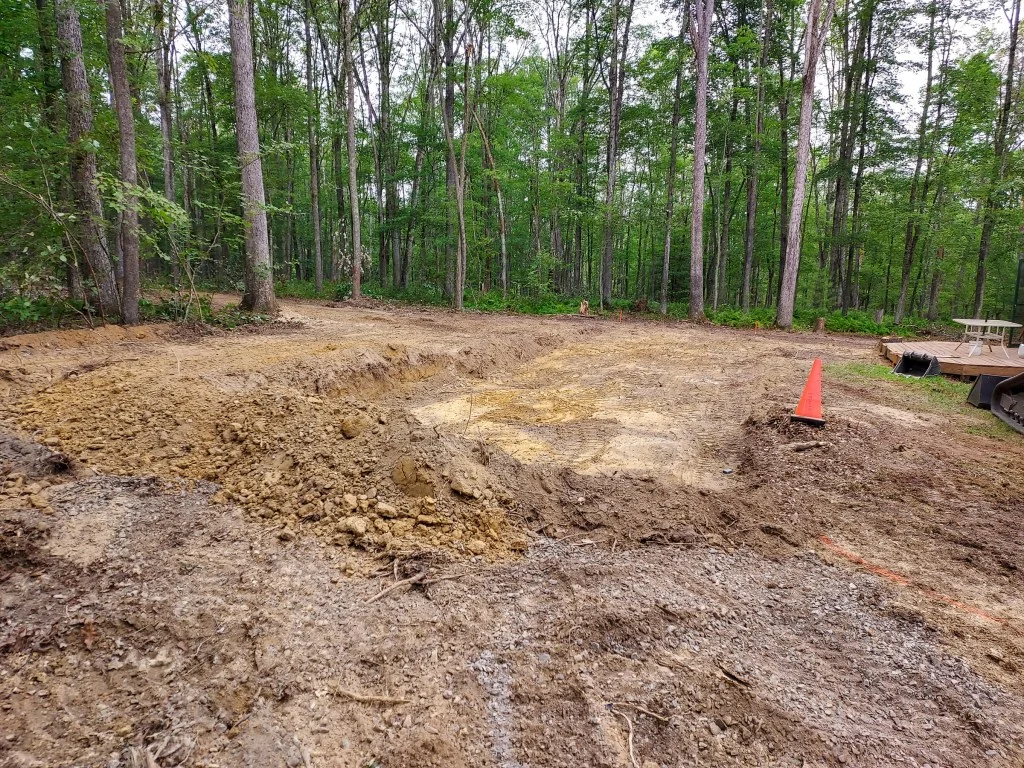
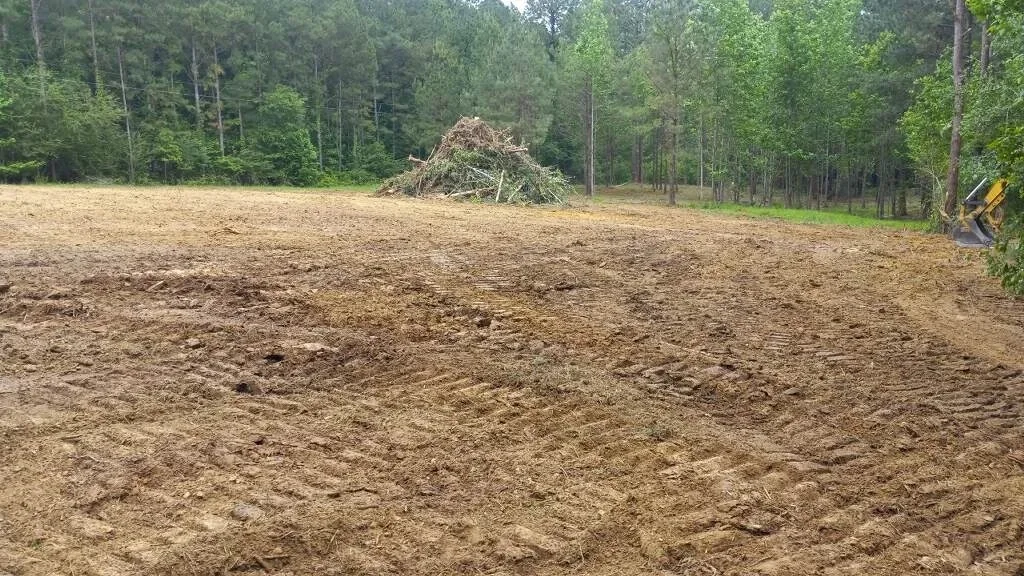
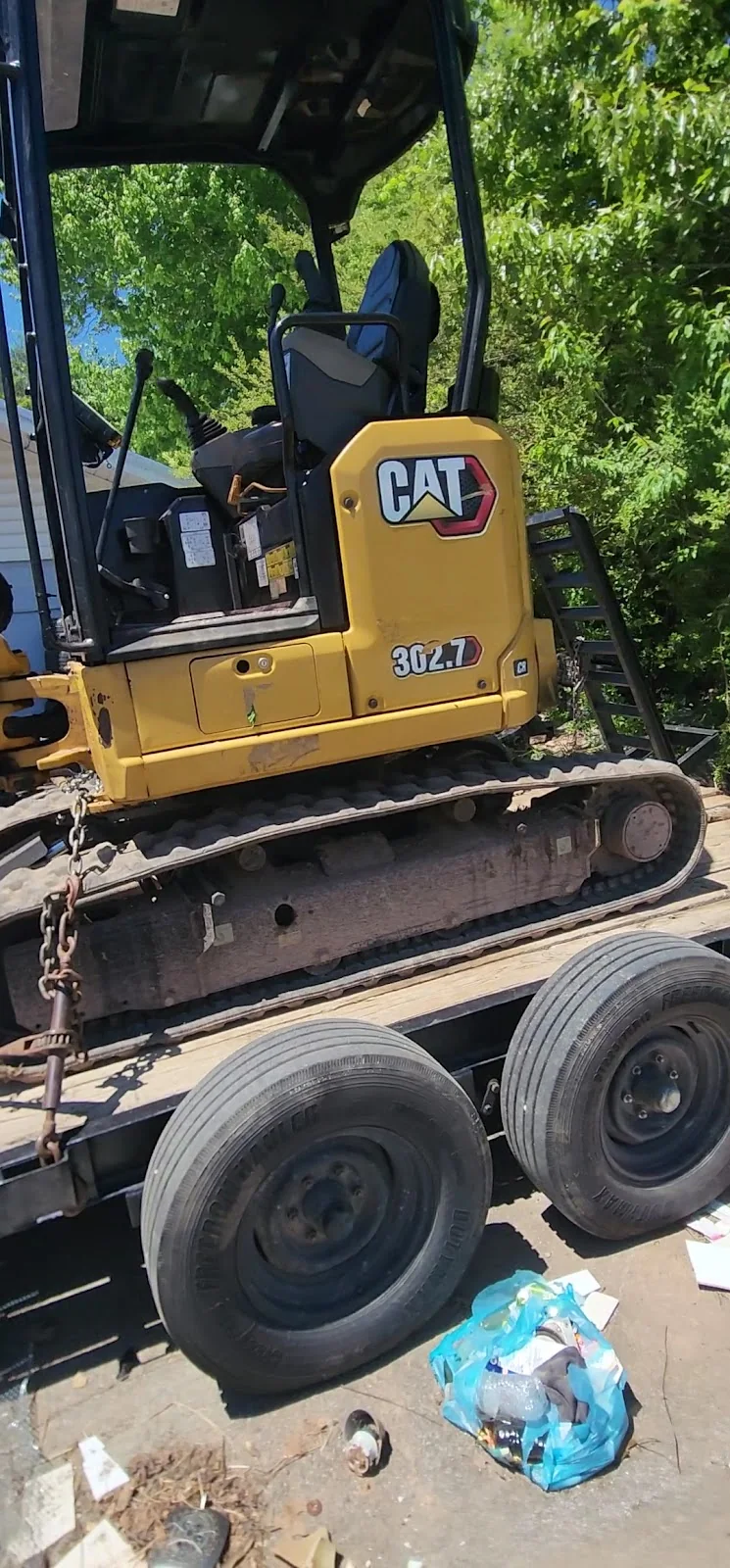
On a flat lot, driveway work is mostly a material problem. On a Buncombe County slope it is a logistics problem: the dump truck, the tracked skid steer, and the plate compactor all have to climb what your car climbs, and the operator has to trust the grade. That changes everything about scope and price. A driveway off a valley road in Candler or Leicester can usually take a tandem-axle dump; a switchbacked drive in the Weaverville hills or way up off Town Mountain Road may only take a single-axle with a partial load, or a conveyor truck, or wheelbarrow staging. Each step down in delivery method raises the cost per ton of the same gravel.
Haul distance is the second half of the math. Quarries in and around the Buncombe County market sit in the valley bottoms, and a steep drive can be twenty-five, forty, even sixty minutes from the scale house with a loaded truck. That drive time and the payload only truck can climb the last half-mile is why gravel here often lands at $45-$85 per ton delivered compared with flatland prices, and why a job that looks like ten tons of stone from the road can actually need twelve because the base thickness changes on the steep section.
Why the gravel slides off your slope
Gravel does not slide because it is gravel. It slides because the surface under it cannot drain the water that hits the slope, and because the slope angle exceeds what the stone and its binder will hold. In this county, both problems are routine. The federal disaster record for Buncombe is dominated by storm and flood events — 19 declared incidents spanning 1973-2026 — and every one of those pushed concentrated runoff at private driveways that were never designed for it. That water runs down a mountain slope fast, cuts under the gravel, and floats it downhill.
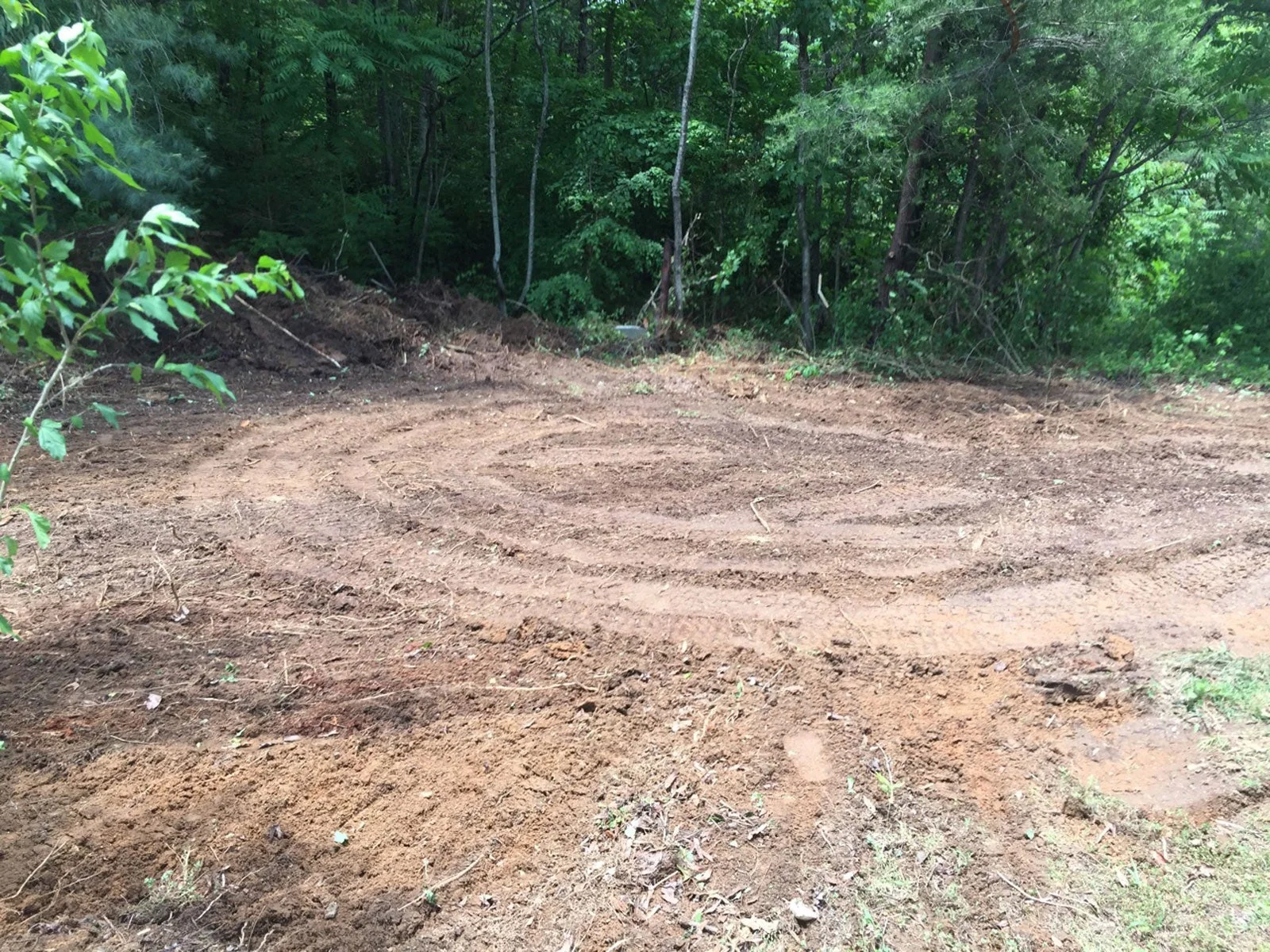
The fix is almost always three-part: reshape the crown so water sheds to the edges, cut a proper ditch on the uphill side, and put the ditch water somewhere — usually a culvert or driveway pipe under the drive. Only after that does new stone stay put. We have seen crews sell a hundred tons of replacement gravel to a slope that needed one afternoon of grading and one correctly sized pipe. The stone is not the problem. The water is.
The realistic price picture for a steep gravel drive here
Every one of these bands assumes a machine can reach the work. If it cannot, staging labor adds meaningfully. These are honest regional ranges for Buncombe County, not quotes, and your number will move with length, slope, stone choice, and distance to a quarry.
| Scope of work | Typical price range |
|---|---|
| Re-crown and re-grade existing gravel (no new stone) | $600 - $1,800 |
| Ditch cut and drainage repair (one side, moderate run) | $900 - $2,500 |
| New culvert or driveway pipe, installed | $1,200 - $4,000 |
| Gravel base rebuild with fabric, stone, and compaction (short drive) | $2,500 - $6,000 |
| Full steep-drive overhaul: drainage, culvert, base, surface | $6,000 - $12,000+ |
| Washout repair after a storm event | Case-specific; often $1,500 - $8,000 |
General contracting thresholds in this state are set by the North Carolina Licensing Board for General Contractors; earthwork and driveway grading generally do not require that license, but a project bundled with a retaining wall or structural drainage may cross the line. When in doubt, ask.
Stone choice and how the slope drives it
The slope dictates the stone. Flat drives can get away with a clean, small surface gravel. A steep drive cannot: small stone rolls, so the surface needs angular crushed material that locks and a base course of larger stone below it. Geotextile fabric under the base is the difference between a rebuild that lasts a decade and one that fails the first big March rain. On really steep sections, some homeowners in this county go with a hard surface like chip seal or asphalt on the steep pitch, or a concrete strip, because the cost of re-gravelling every eighteen months eventually exceeds doing it once. That is a real conversation to have with your contractor.
Compaction gets skipped more than anything else. Stone dumped on a slope and driven over is not a gravel driveway, it is a pile. Each lift needs grading and mechanical compaction — plate compactor or vibrating roller, whichever the access allows. If a bid has no compaction line item, ask why.
Repairing washouts without redoing the whole drive
A washout does not always mean a full rebuild. If the failure is a cut in the surface where water crossed the drive, the repair is often new stone, re-grading, and correcting the ditch or cross-drain that caused it. The washout repair work starts with finding the concentrated flow, not with dumping stone. A certified erosion-control plan may be required if the drive discharges toward a stream or wetland, and the EPA's stormwater program at epa.gov is the reference for why that matters. If your driveway drains to a creek that runs into the French Broad, your repair is not purely private.
After repair, schedule the maintenance conversation: crowned surface, cleaned ditches, two inspection points a year before and after the wet season. A steep gravel driveway in this county is a small drainage system with a car on it.
Planning a new steep drive or a full re-do
If you are cutting a new drive into a slope here, plan it before you clear it. Determine whether the grade requires a switchback, how each turn will drain, where the culvert goes, and whether the county requires a driveway permit where you tie into the road. The driveway grading and gravel work on a new slope is a grading job first, a gravel job second, and the sequence is not negotiable. Skipping the grade to save money in year one is the standard reason we are called back in year three.
Have the contractor walk the drive with you and mark the ditch line, the pipe locations, and the crown before any machine moves. If they cannot explain the drainage on the back of a business card, they are not the right crew for a mountain slope.