Fletcher driveways are graded on hills, and that decides who can fix them
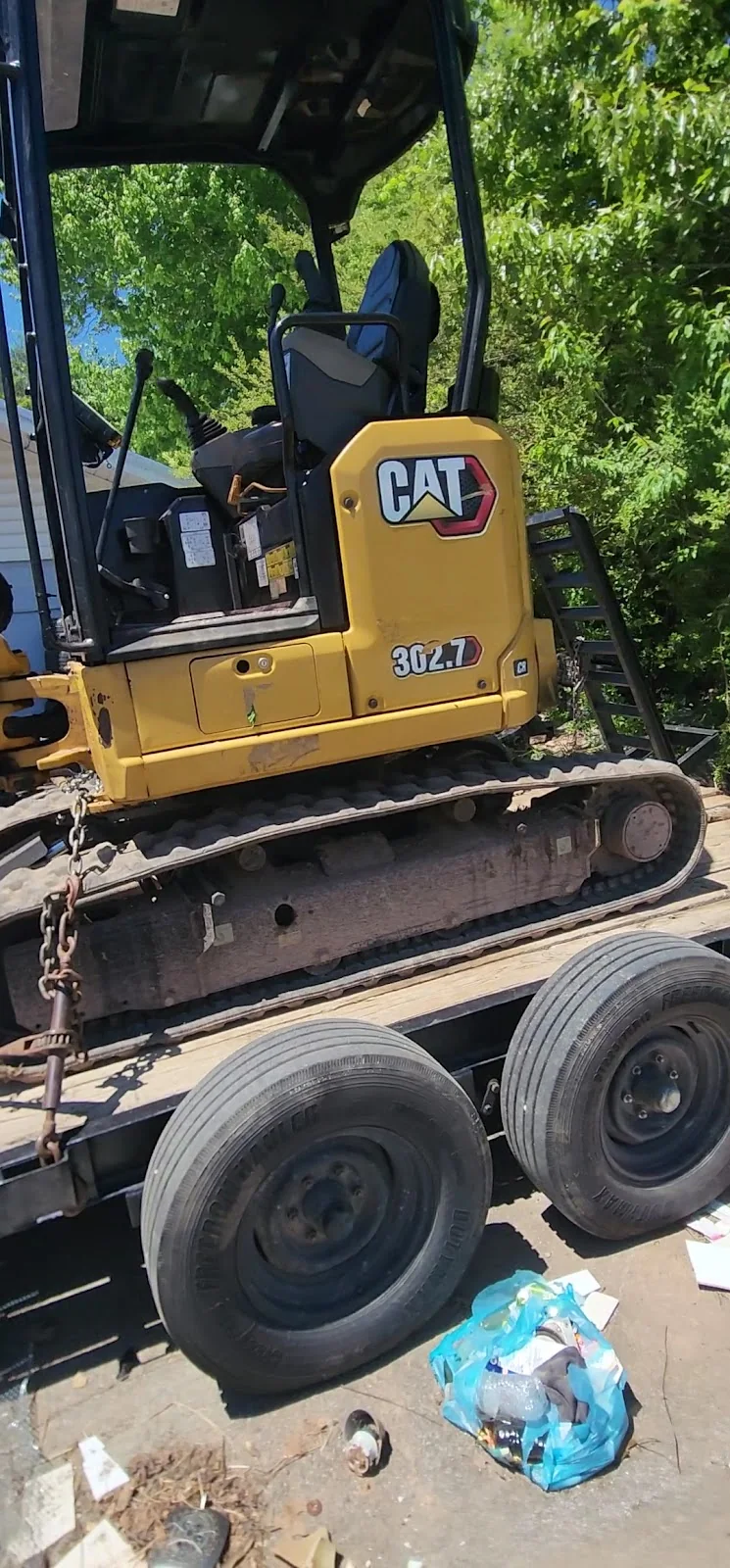
Most of Fletcher's residential lots climb away from the French Broad valley floor, and a driveway cut into that grade is where the money gets decided before a single bucket moves. A dump truck has to back a loaded bed down your slope or climb it, a mini excavator has to fit between your culvert headwall and your garage, and every ton of crushed stone has to come off a quarry truck and get spread by a machine that can hold a crown. When access is tight, the grading itself is a quarter of the job and the logistics are the rest.
This is why two neighbors on the same ridge can get quotes five hundred dollars apart. One has a 12-foot-wide cut and a turnaround; the other has a 9-foot lane with a slope that makes a loaded tandem dump sit sideways. Both are legitimate driveway repairs. Only one of them is cheap to do.
What a Fletcher washout repair actually costs, by scope
Rates track the county they sit in — see the Henderson County grading cost breakdown for the working table. Below is how the line items land when the driveway is in Fletcher on grade. Stone is priced by the ton delivered, and the quarry run sets that number more than anything the crew does on site.
| Scope of work | Typical range | What drives it |
|---|---|---|
| Regrade existing gravel, restore crown, thin stone top-dress | $350 – $1,200 | Driveway length, how much usable stone is left in place |
| Washout repair: regrade plus fresh crushed stone | $400 – $1,500 | Depth of the rut, tonnage of new stone, whether base fabric survives |
| Regrade plus ditching and a culvert under the drive | $800 – $2,800 | Culvert diameter and length, ditch footage, hand work near the road |
| Engineered drainage on a steep grade (riprap, flume, energy dissipation) | $2,500 – $6,500 | Slope percentage, rock placement, whether the outlet needs to be rebuilt |
Anything beyond that band is a rebuild, not a repair, and should be scoped as one. Ask for the tonnage line separately so you can see what you're paying for stone versus machine time.
Terrain, quarry distance, and why stone costs what it costs here
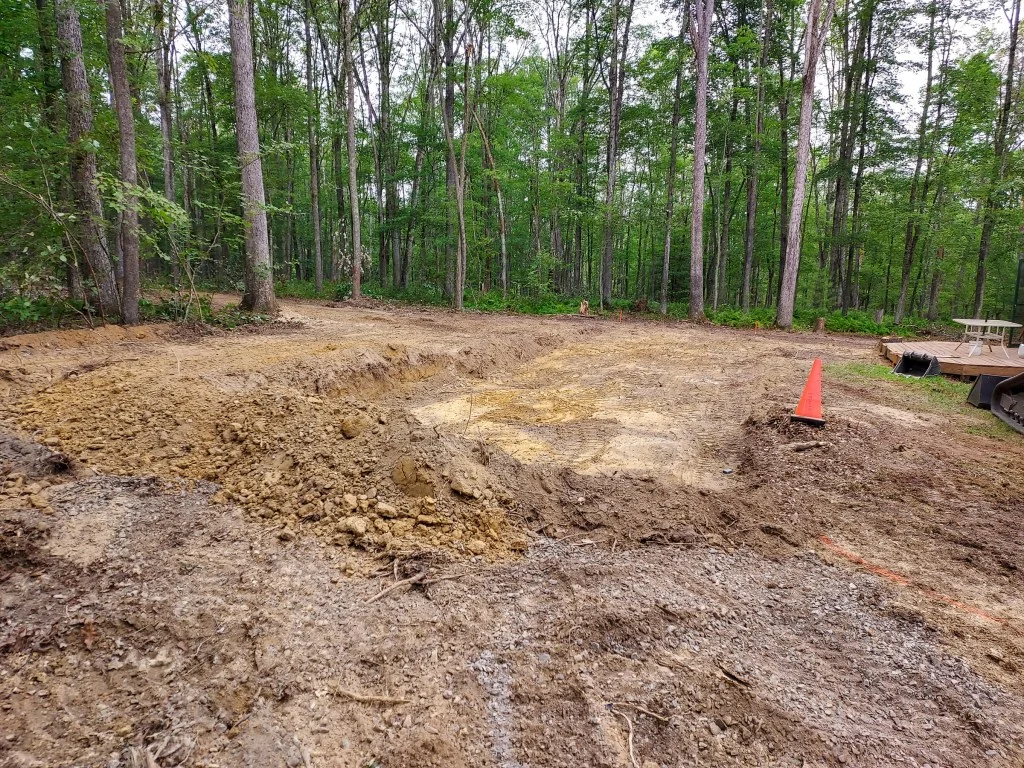
Fletcher sits between the valley and the Blue Ridge escarpment, and that position does two things to a grading job. First, driveways here shed water fast, so a failed outfall at the bottom of a slope digs a trench across a drive in a single storm. Second, most local crushed granite has to be trucked in from outside the immediate area, and that haul is a straight-line cost you can't negotiate. A job that needs 20 tons is a different conversation than one that needs 40.
Washouts in this county are overwhelmingly storm-driven. 16 federally declared disaster events touch Henderson County across 1978-2026, mostly flood and storm family, and the pattern is consistent: heavy rain on a bare or under-ditched drive. The National Weather Service keeps the local rainfall record that explains most of the calls we get, and it's worth checking before you decide a driveway problem is a grading problem rather than a drainage problem.
If your drive has failed more than twice in the same spot, you don't have a stone problem. Regrading the same rut without addressing where the water goes is the most expensive way to own a driveway. The driveway grading and gravel guide walks through the difference.
Getting machines in, and the two checks worth making first
Access and haul is the angle that separates a good bid from a bad one on these properties. Before you sign anything, walk the driveway with the estimator and ask two concrete questions: what machine are you bringing, and where does it park while it works. A crew that can't answer that on sight hasn't thought about your slope, and your slope is the whole job.
The second check is paperwork. Grading and driveway work in North Carolina is licensed work once the job crosses a value threshold, and any contractor performing it should be able to tell you how they're covered — the North Carolina Licensing Board for General Contractors is where you verify that, and it's a two-minute lookup. If a washout repair requires touching a drainage way or moving soil near a stream, the federal Environmental Protection Agency stormwater rules can apply, and a contractor who has done this in Henderson County will know when to flag it.
When you're comparing bids, the Fletcher grading contractors page covers what a complete scope should include so you can line up proposals against the same list.
How the work is usually sequenced
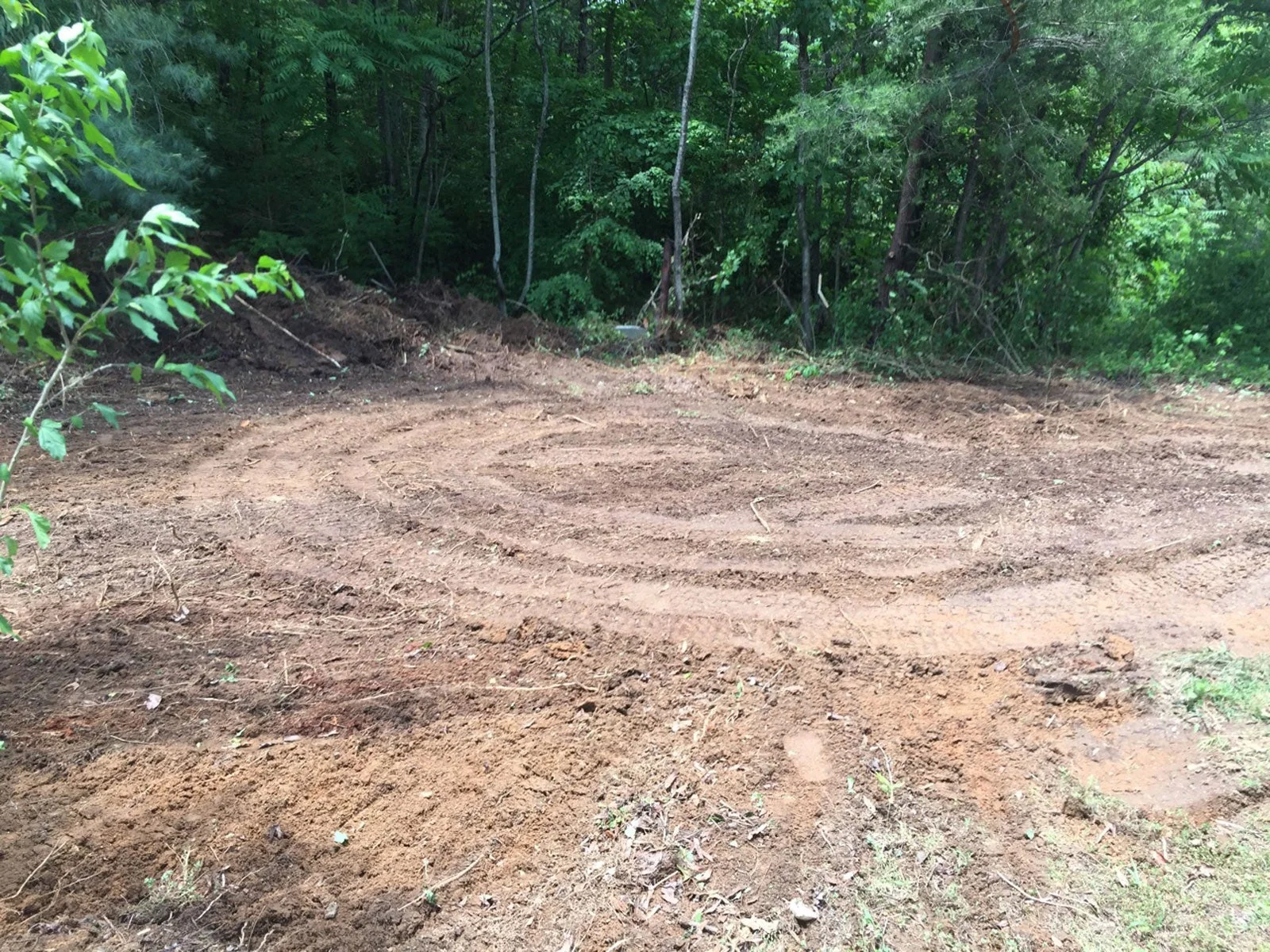
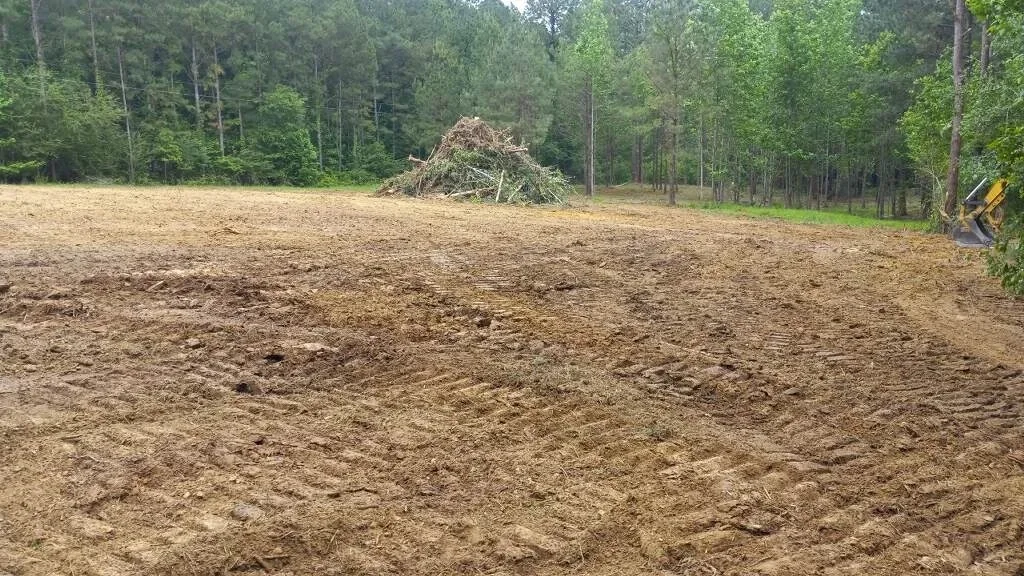
A proper Fletcher driveway repair runs in order, and skipping a step is how the rut comes back. Water is turned away first, then the grade is cut and crowned so the surface sheds rather than ponds, base material is added only after the subgrade is firm, and a new culvert or ditch outlet goes in before the final stone is spread, not after. On a steep grade, the last piece is often dissipation at the bottom — rock, a flume, or a spreader — because a driveway that dumps concentrated water onto a neighbor's property is a problem you'll be paying for twice.
Expect a half-day to a day for a straightforward regrade, and two to three days when ditching, a culvert, and slope drainage are all in scope. If a crew quotes you a same-day fix on a drive that's washed out to the subgrade, ask what they're not doing.