How a Hot Springs driveway job actually runs, step by step
Most driveways in Hot Springs climb. The town sits low along the French Broad where the river bends, and nearly every road out of it gains elevation fast toward the national forest ridges above. That single fact sets the order of work for a gravel driveway installation Hot Springs NC crews perform, because water has to be handled before stone is placed, not after.
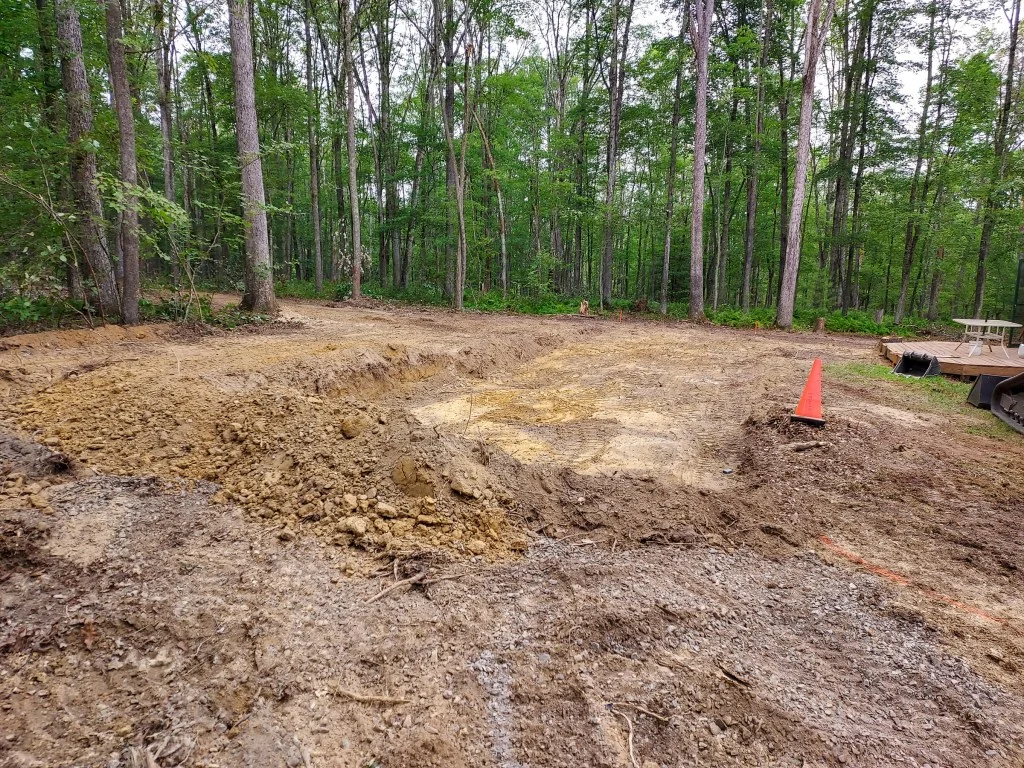
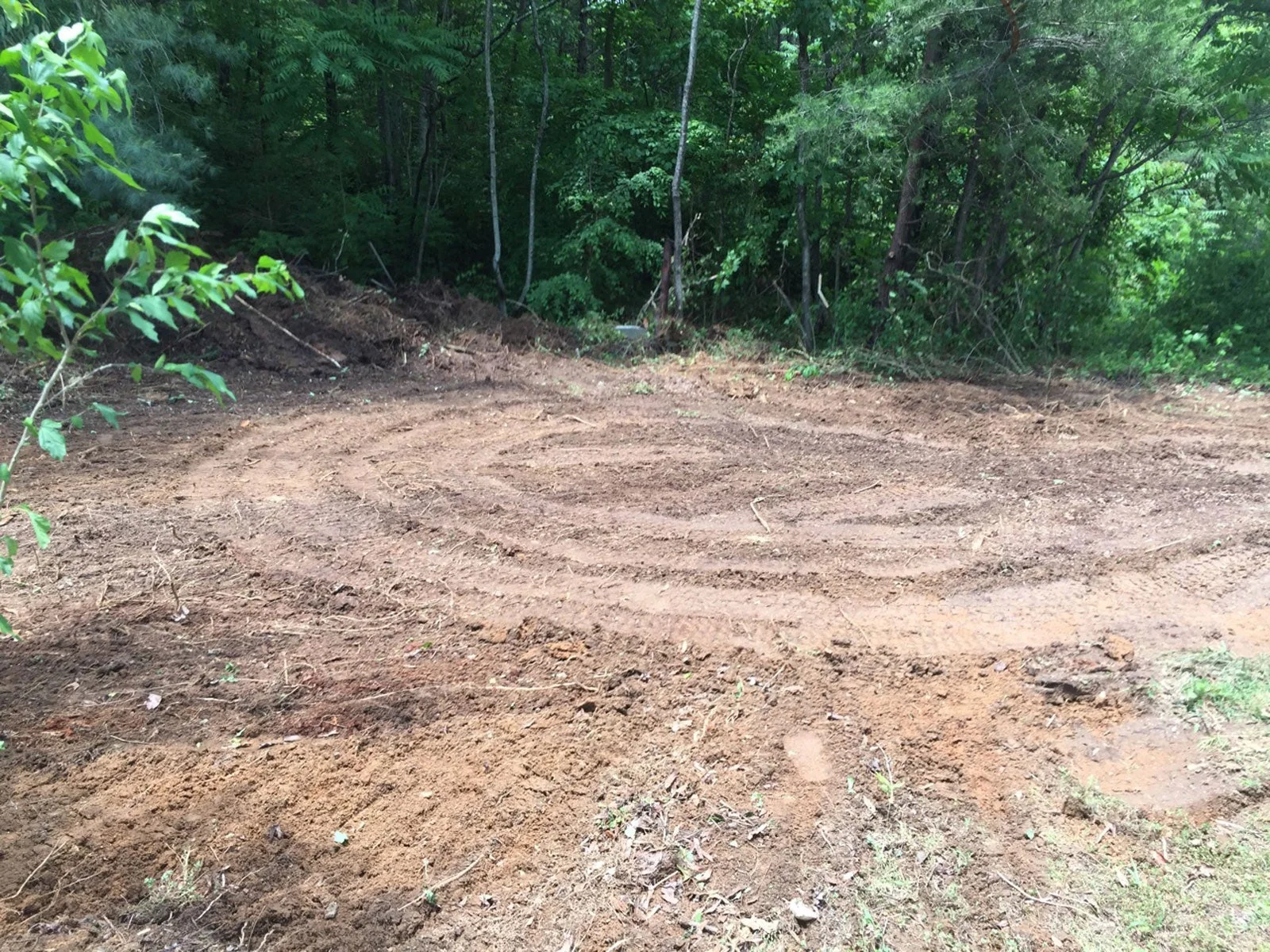
Step one is the walk and mark: the owner and the crew trace the route, flag the driveway centerline, note culvert locations, and find the swale or ditch that will carry runoff off the road. Step two is the cut. A machine strips topsoil and organic material, then grades the subgrade to a consistent slope that drains away from the house or toward a marked outlet. Step three is compaction, plate or roller, before any rock is laid.
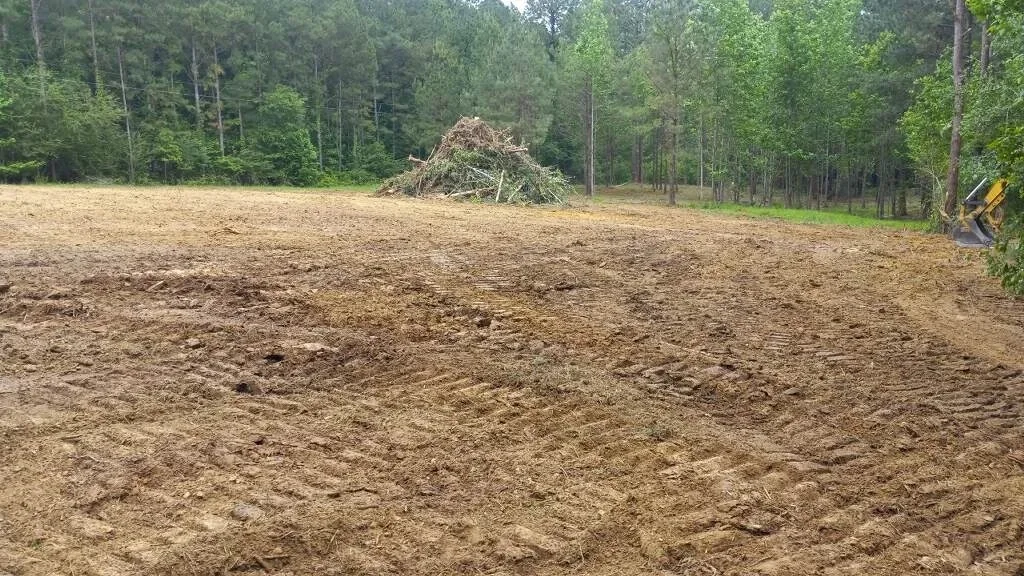
Step four is base stone, usually a coarse crushed aggregate placed in lifts and rolled. Step five is the crown, the subtle center-to-edge fall that keeps surface water moving sideways instead of down the wheel tracks. Step six is surface gravel and final shaping. On a typical 120 to 300 foot mountain driveway, that sequence takes two to four working days, weather permitting. Long pulls with a steep grade, a failing culvert, or a spring seep can push a job past a week. The driveway grading and gravel overview explains how the grading pass and the gravel layer depend on each other.
What drives the price on Madison County slopes
Rock here is not a flatland proposition. Slope, length, and haul distance move the number more than anything else, and a driveway that needs a new culvert or a retaining edge is a different project from one that just needs a fresh cap. For the county-wide working ranges, see the Madison County grading cost table. The short version sits below.
| Scope | Typical price range |
|---|---|
| Regrade and re-gravel an existing drive (up to ~150 ft) | $900–$2,400 |
| New gravel drive, moderate slope, 100–200 ft | $3,200–$6,000 |
| New drive with culvert, crown, and ditch work | $5,500–$9,800 |
| Steep grade over 15% with extra base and drainage | $8,500–$16,000+ |
| Base and surface stone per ton, delivered and placed | $55–$95 depending on haul distance |
Haul distance is the quiet cost in this county. Some sites above Hot Springs sit far enough off the paved road that the truck time alone shows up in the bid. A bid that ignores haul distance is not a cheaper bid; it is an incomplete one.
Drainage, storms, and the record behind the repairs
Madison County's storm and flood history explains a lot of the driveway calls that come in. 21 federal disaster declarations touch this county across 1978-2026, and the pattern is water, not wind. A driveway is a drainage structure whether or not anyone built it as one, so when the national forest ridges above town shed a heavy rain, a driveway that lacks a crown or a functioning ditch funnels that water straight into its own ruts.
The North Carolina Building Code Council and NCDOI Engineering Division publishes the state residential code, which treats grading and drainage as integral to a site plan, not an afterthought. The National Weather Service issues the watches and warnings that should make you check your culvert before the next system arrives. Both matter when you are deciding whether a driveway problem is a grading problem or a stone problem.
Stone choice, culverts, and the little details that outlast the truck
Two decisions shape how a driveway ages in Madison County: the stone and the outlet. Base course is usually a large crushed aggregate that locks together under compaction; surface course is smaller, sized so it sheds water but still knits. Some crews specify recycled asphalt on lower slopes where it packs well, but on steep forest-grade pulls, crushed stone holds crown better.
The culvert is the other half. A driveway that climbs has to pass water somewhere, and the culvert is the decision point. Undersized pipe backs up, washes out the ditch, and eventually eats the drive. The EPA maintains guidance on stormwater and erosion control that is genuinely relevant on steep residential sites, because sediment leaving a driveway is the same problem as sediment leaving any disturbed ground. The NC Licensing Board for General Contractors sets the dollar threshold at which grading and driveway work requires a licensed general contractor, which is worth confirming before you sign.
Working with a grader who knows the terrain
The difference between a driveway that survives five years here and one that ruts by the second spring is usually the grading pass, not the rock. A crew that works these ridges knows how to read where water wants to go and how to cut the crown so it goes there. The Hot Springs grading contractors guide covers how to check a crew's references and what to ask before work starts.
Ask three things: where the water will leave the property, what the subgrade will look like before stone arrives, and whether the bid includes a culvert or just mentions it. The answers tell you whether you are hiring a driveway builder or a rock spreader.