What actually drives a Fairview grading number
Fairview sits south of Asheville in Buncombe County, on ground that climbs fast once you leave the valley floor. A lot off a ridge road can drop eight feet from the driveway pad to the back corner, and that one fact reorganizes the whole estimate. The line items that move a Fairview quote, in order of how much they move it: rock, export versus balance, slope access for equipment, erosion control, and driveway subgrade. Labor is the most predictable part of the job; the ground is not.
Rock is first because so much of this area is weathered Blue Ridge material — saprolite over fractured rock, with pockets of solid stone that surprise everyone. A cut that hits shelf rock can add thousands in hoe-ram or drilling time. Export is second: if the yard can't absorb the cut, every load has to leave the property, and in Fairview the nearest suitable fill sites are not next door. A balanced cut-and-fill pads the number down. A steep driveway adds a third cost — the machine that can work a 20 percent grade safely is a different class of iron.
What makes Fairview its own cost story, rather than just another Buncombe County line item, is how abruptly the terrain changes across a short drive. A parcel near the valley floor along a creek bottom can grade almost like flatland — mild cuts, plenty of room to spoil, driveway grade under 10 percent. Climb a few minutes toward the ridge roads and the same acreage turns into benched pads, switchback driveways, and cut depths measured in feet rather than inches. Two neighbors on the same road can be in entirely different cost categories because one lot drains toward a road ditch and the other drains toward a springhead. That is why a Fairview bid has to be read lot by lot, not town by town.
The scope-to-price table
These are working regional bands for a typical Fairview residential lot, phrased as ranges because the ground decides. Cross-check them against the fuller Buncombe County grading cost breakdown before you compare bids.
| Scope | Typical range | What swings it |
|---|---|---|
| Pad prep — house seat, cut and compact | $3,200–$7,500 | Cut depth, rock, how much fill must be imported |
| Driveway grade and subbase | $2,800–$6,500 | Grade percentage, length, culvert, drainage crossings |
| Full-lot rough grade with drainage | $6,500–$8,000 | Acreage, slope, swales, French drains, outlet |
| Rock excavation adder | $1,500–$5,000+ | Hardness, depth, whether it is ripped or hammered |
| Spoil haul-off | $400–$900 per load | Distance to a legal fill site, load size, access |
| Erosion and sediment control | $600–$2,500 | Silt fence length, inlet protection, slope exposure |
If a bid shows one round number with no separation between rock, haul, and drainage, you cannot tell whether it is cheap or incomplete. Treat it as incomplete until the line items appear.
Read the table as a set of levers, not a menu. The pad line and the driveway line almost always travel together on a Fairview lot, because the driveway cut usually creates the fill the pad needs — or the pad cut creates the spoil the driveway can absorb as subgrade. When a bidder prices them as unrelated jobs with unrelated mob dates, you are paying for two mobilizations and probably two rounds of re-grading where the driveway meets the pad. The rock adder is the one line nobody can quote honestly from the truck; the fair version is a stated unit price that only gets applied if the iron actually hits stone.
Water on a Fairview slope runs downhill into somebody's problem
Buncombe County's federal disaster record is a long one: 19 declared events touch this county across 1973-2026, and the overwhelming share are storm, flood, and landslide family. That history matters directly to grading here. On a Fairview hillside, the question is never whether water will move — it is where you send it. A pad graded without a defined outlet just relocates the problem to the lower neighbor's foundation, and the county will notice. The NC Department of Insurance - Office of State Fire Marshal is where the state's residential and erosion-control requirements are published, and slope-lot drainage is a first-class item there, not an afterthought.
This is also why the grading and excavation scope on a Fairview lot should always name a final outlet — a daylight, a swale to a stabilized point, or a storm connection. If the plan stops at the edge of the pad, the job is only half designed.
The practical test on a slope lot is simple to describe and hard to fake: stand at the low corner of the finished pad and ask where the water that lands there goes next. A swale that dies in the middle of the lawn is not an outlet. A culvert that discharges straight onto a cut bank will undercut it within a couple of wet seasons. The drainage answer that holds up on these hillsides usually involves slowing the water down and spreading it, not just moving it off the pad as fast as possible. Retaining walls, riprap aprons, and vegetated outlets all show up on Fairview estimates for exactly this reason, and none of them are optional decoration when the grade is real.
Clearing, cut, and the order of operations
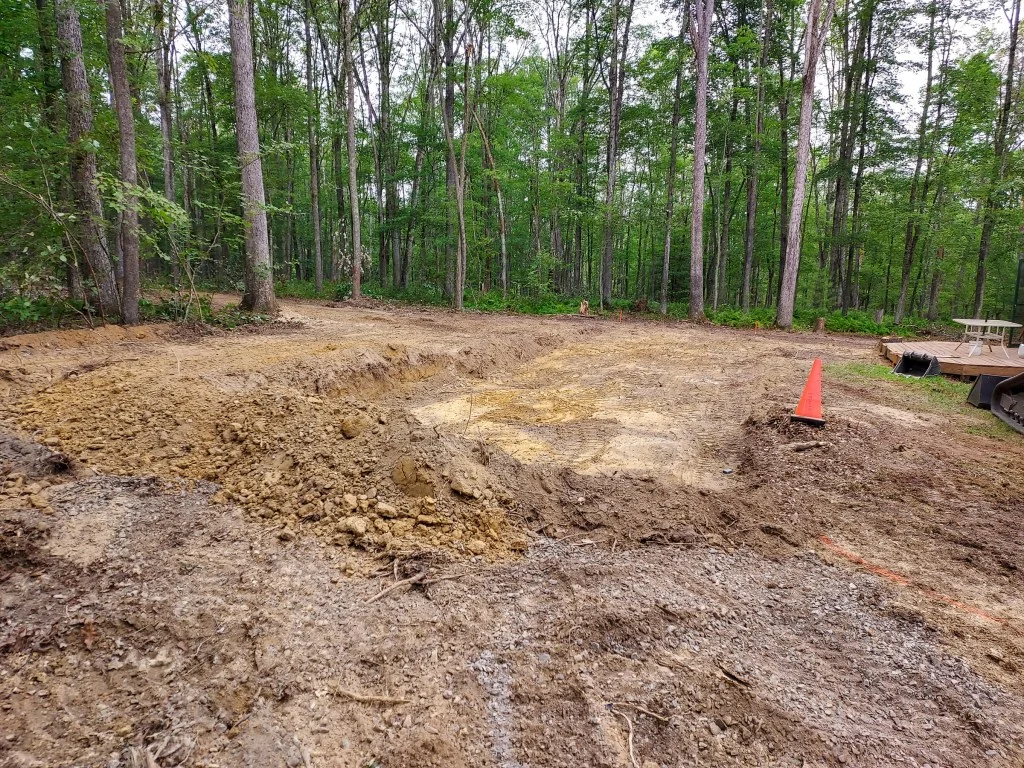
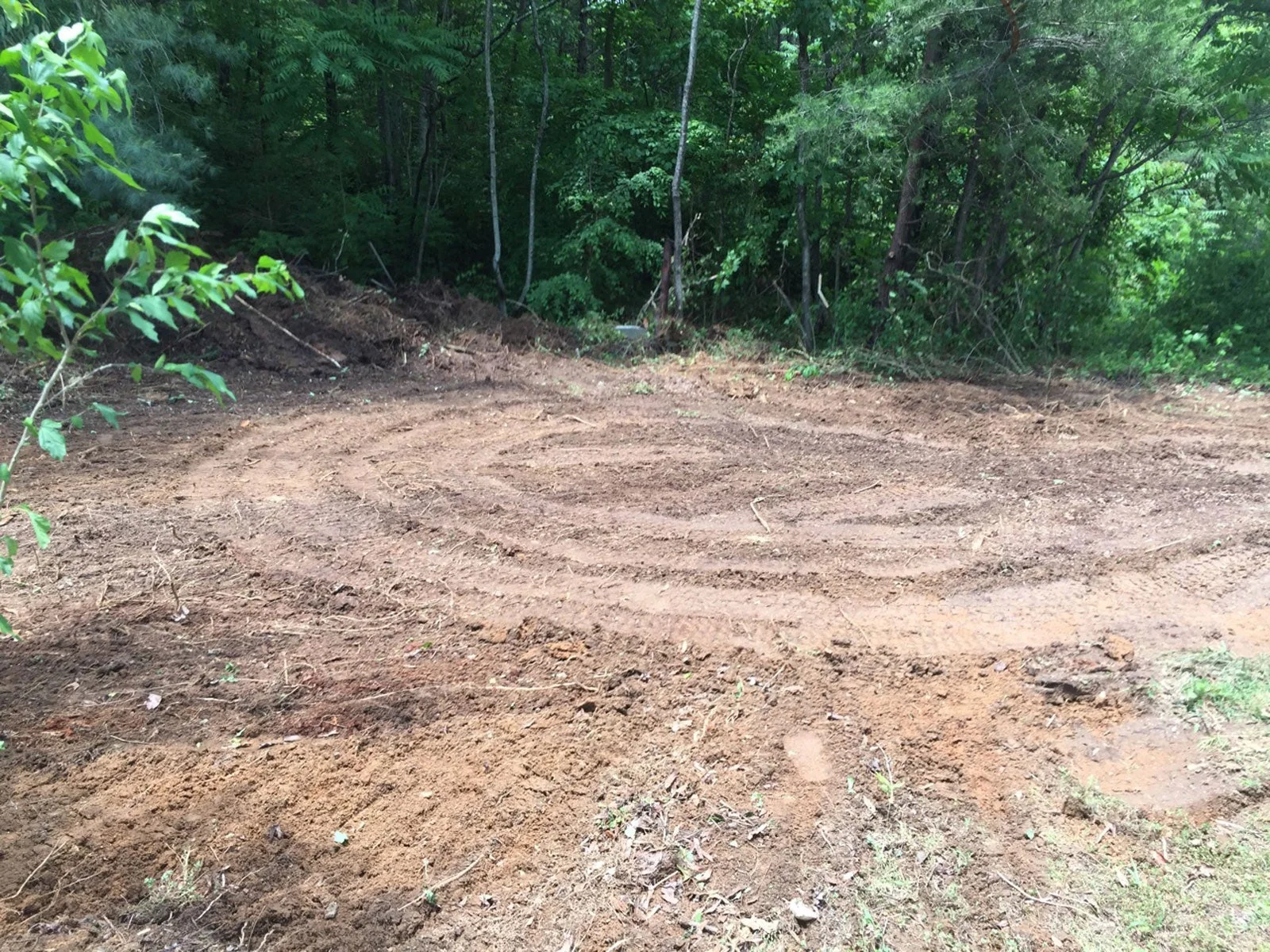
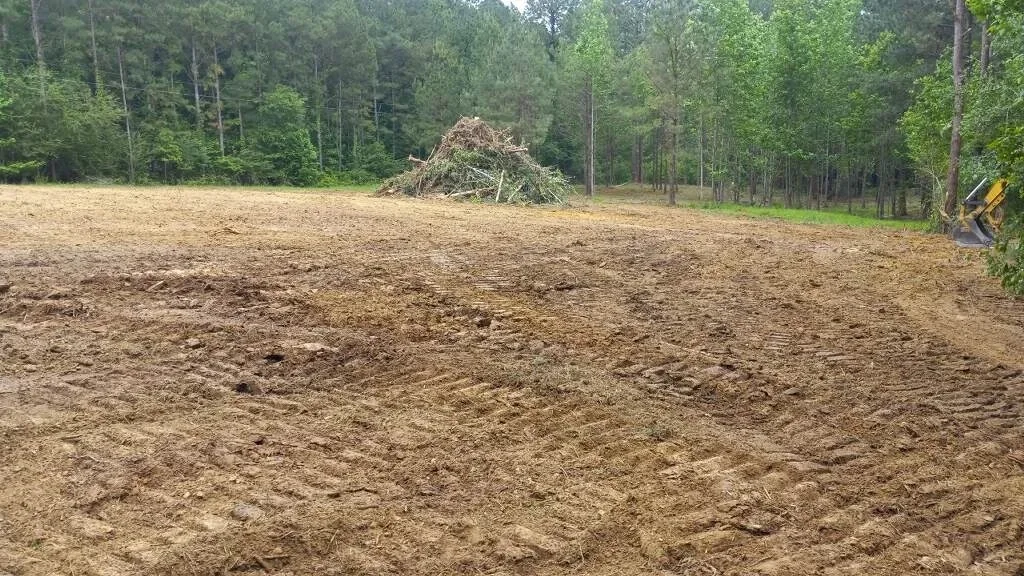
Most Fairview grading jobs start with trees on the ground, and the sequence matters. Clearing before you know the pad elevation means you may have removed something you wanted for screening, or left a stump inside the cut. The smarter order on a wooded slope lot: flag the limits, take down what has to go, grind or pull stumps within the cut, then strip topsoil and stockpile it. That topsoil is worth keeping on site — it is the cheapest finish material you will ever buy back.
If the lot needs substantial tree work before dirt moves, that is its own scope; see what the land clearing process covers so the two bids line up rather than overlap. And any disturbed acreage above the state threshold triggers a sediment and erosion-control plan, which is a real permitting item, not paperwork theater. The International Code Council publishes the model codes the state builds on.
On steep Fairview ground, the earthwork order also decides how much dirt you have to move at all. Cutting the driveway first often lets the driveway spoil become the pad fill, which trims both the haul line and the import line. Stripping topsoil before that cut, and stockpiling it above the limit of disturbance instead of below it, keeps the good material out of the mud and ready for final grading. Crews that work a lot of slope lots build the bench first, the pad second, and the finish grade last, because working on a stable bench is faster and safer than chasing a grade down a raw hillside. Skip that order and you pay for it twice, once in labor and once in repairs after the next big rain.
How to read a Fairview grading bid
Three checks separate the crews that grade Fairview hillsides from the ones that grade flat ground. First, ask how they handle rock — a unit price per cubic yard or per hour is a fair answer, a shrug is not. Second, ask where the spoil goes and who pays the tipping. Third, ask what the finished drainage outlet is, by name, on your lot. Then check licensing: North Carolina requires general contractor licensure above certain project thresholds, and the NC Licensing Board for General Contractors is where to confirm a contractor's standing before you sign. A bid that is clear on rock, haul, and outlet is almost always the better bid even when it is not the lowest.
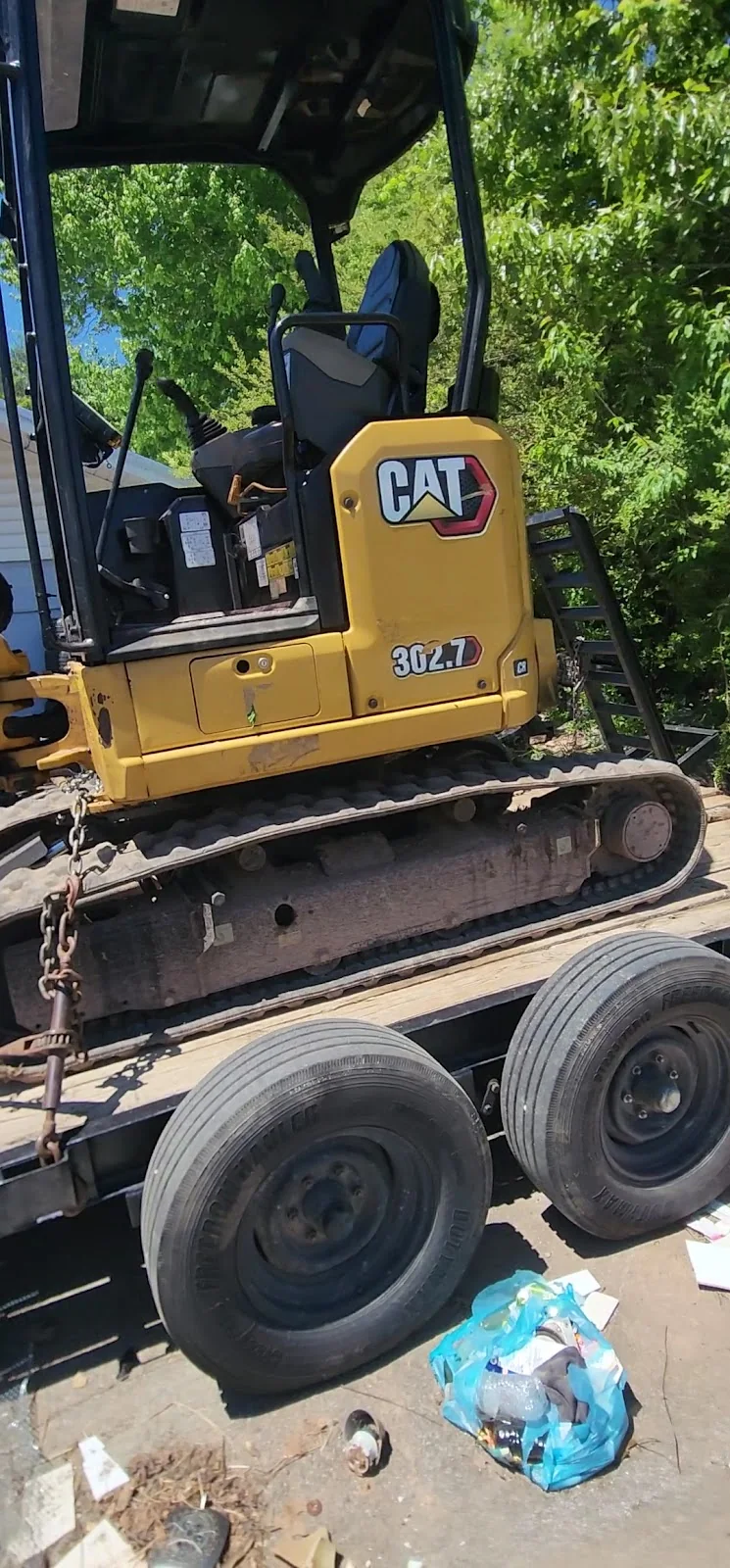
Two more questions worth asking on any Fairview slope job. Ask what equipment the crew intends to bring — a compact track loader and a full-size excavator are suited to very different lots, and the answer tells you whether the bidder has actually thought about your access. Ask how the finished grade will be verified, whether that is a laser, a transit, or a GPS setup, because pad elevation is what the foundation crew will care about later. A contractor who can answer all five questions in plain language is telling you the estimate was built from your lot, not from a template.