How a Montreat excavation actually gets sequenced
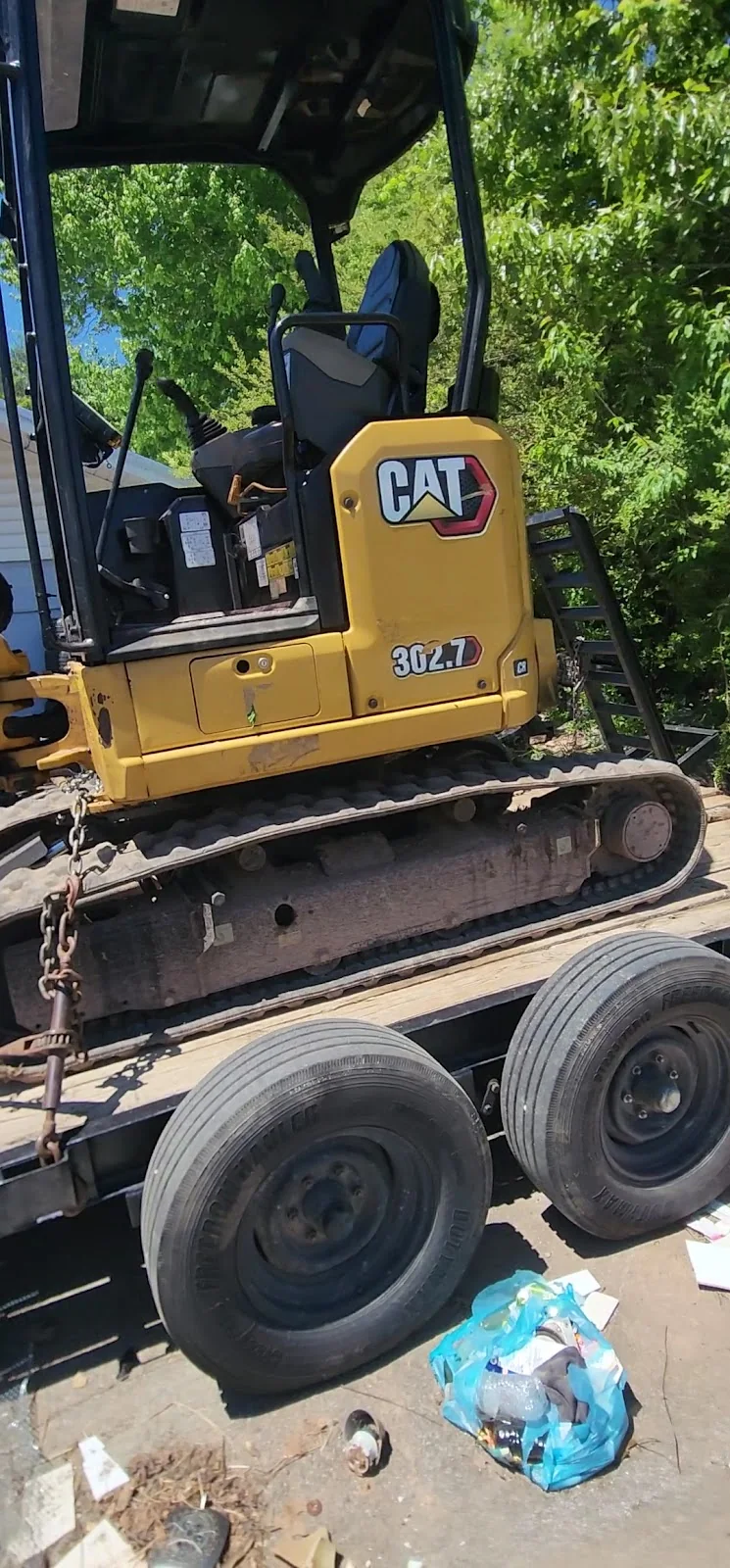
On a flat lot, excavation is a morning. In Montreat it is a small campaign, and the order of operations is what separates a clean job from a torn-up hillside. The first visit is almost never digging — it is access. A track hoe has to get up a narrow shared drive, past a retaining wall, and onto a bench that may not exist yet. That access problem gets solved first, sometimes with a smaller machine and a longer day rate, because nothing else can happen until equipment is on site.
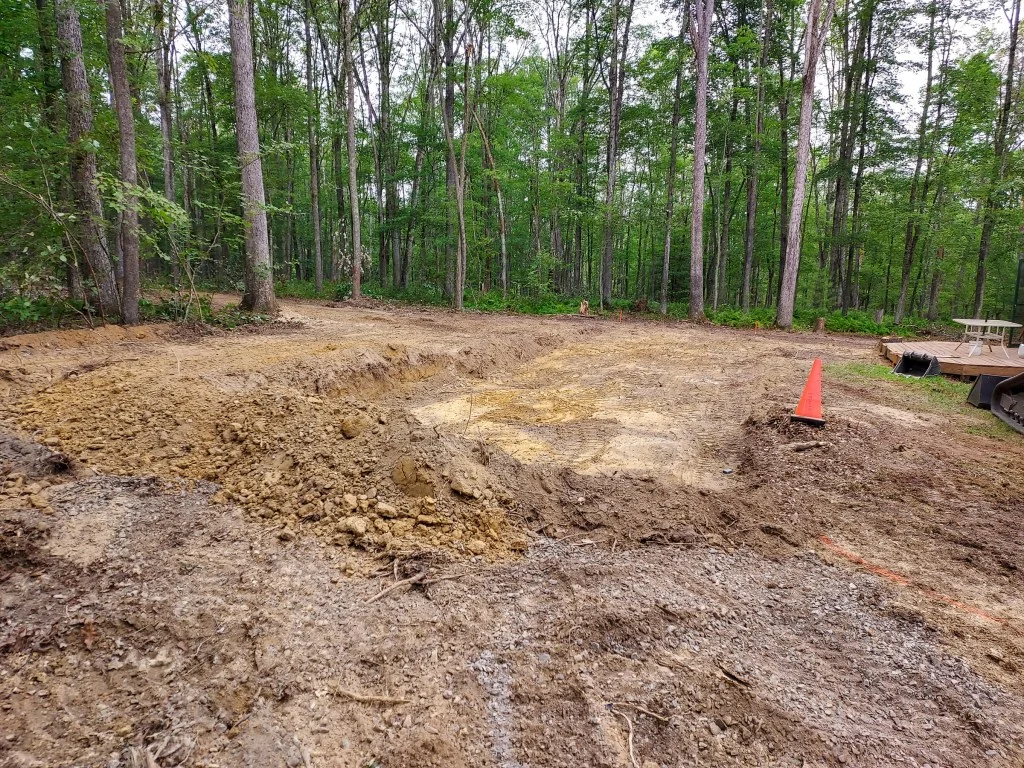
Then comes the cut itself: strip topsoil separately and stockpile it (you will want it back for finish grade), cut to subgrade in lifts rather than one bite, and have rock removal equipment standing by. Mountain jobs around Montreat hit saprolite, weathered schist, and the occasional seam that needs a breaker rather than a bucket. Only after subgrade is verified does footing excavation begin, trench by trench, followed by spoils haul-off or on-site dispersal. A typical residential footing-and-basement cut here runs several working days, not one, and a steep driveway with undercut rock can stretch to two weeks. Weather adds its own pauses — a wet cut in this soil turns to grease and needs a day to dry before anyone grades it.
What drives the price on a Montreat cut
Three variables dominate: slope, rock, and where the dirt goes. A lot with on-site space to spread spoils costs materially less than one where every yard has to be loaded and hauled down the mountain. Rock that breaks with a bucket is cheap; rock that needs a hammer or breaker attachment is not. And access — how far a machine has to travel from the road to the cut — quietly sets the day count before the first scoop.
| Scope | Typical range | Notes |
|---|---|---|
| Footing excavation, accessible lot | $3,500-$6,500 | Assumes machine access, shallow frost-depth footings |
| Basement or crawl cut on slope | $7,000-$14,000 | Slope and spoil placement are the drivers |
| Steep driveway cut with rock | $9,000-$18,000+ | Breaker work and haul-off push the top end |
| Spoils haul-off (per load) | $350-$650 | Distance down the mountain and disposal fees vary |
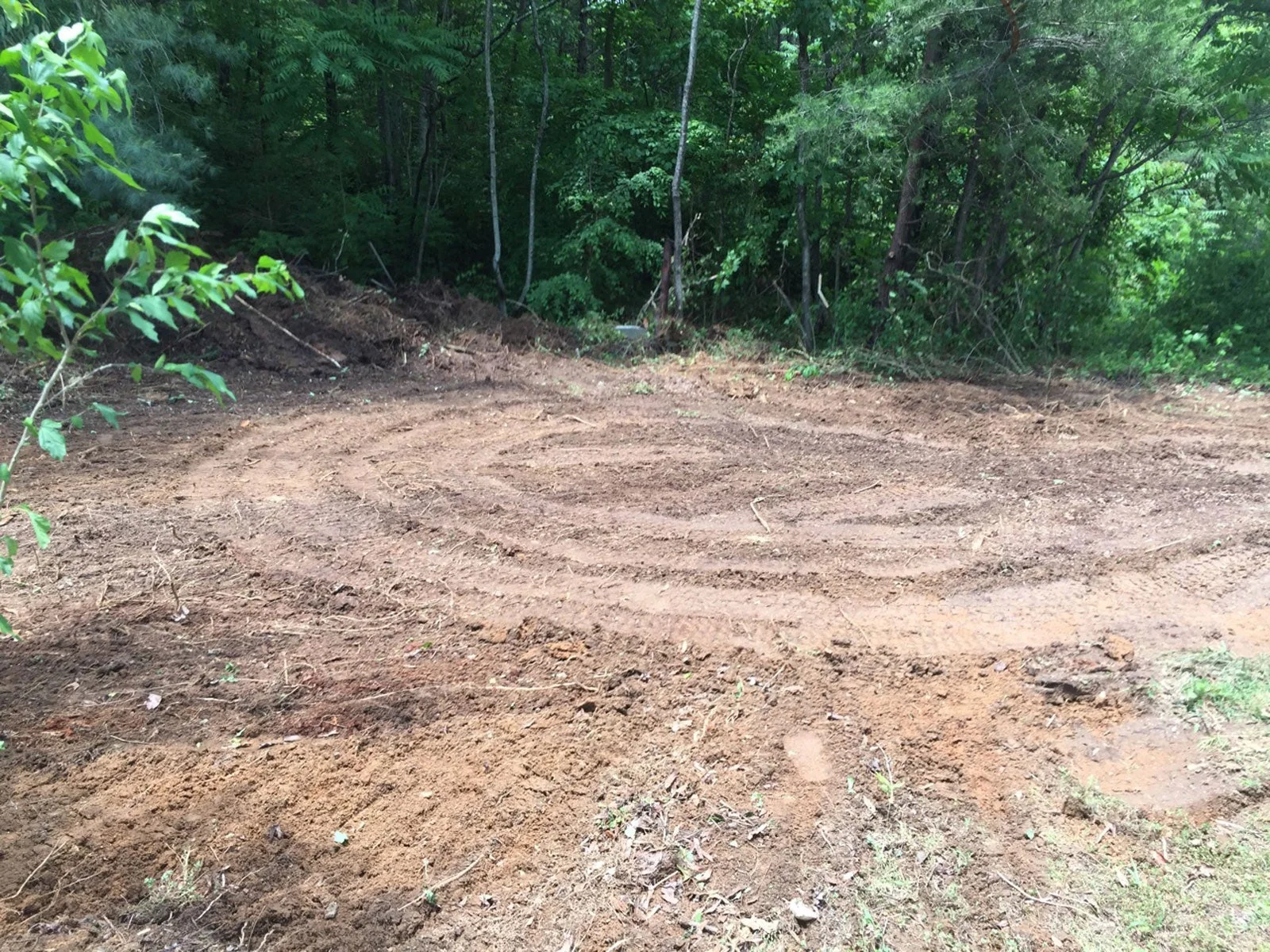
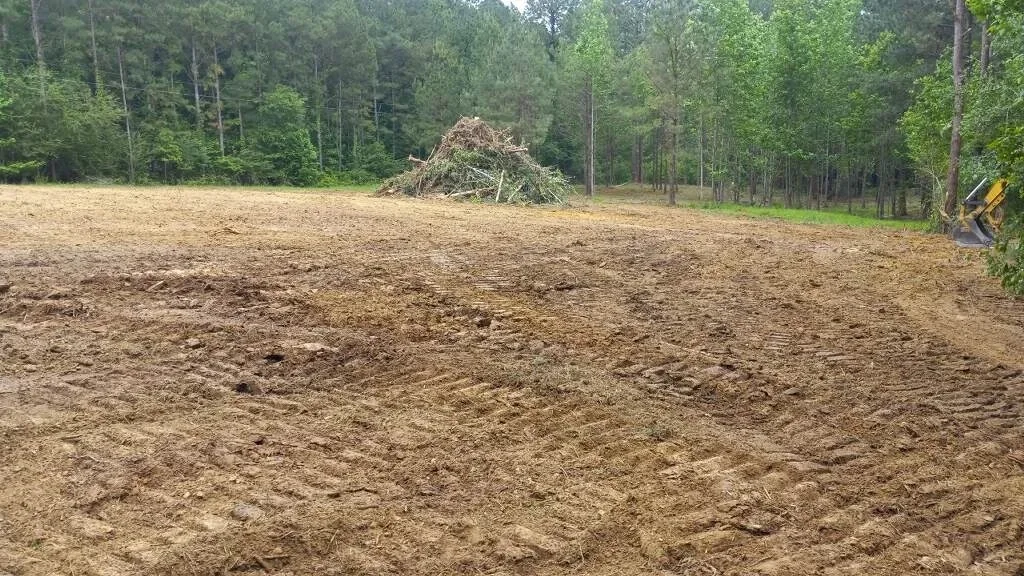
| Grading to rough subgrade | $1,200-$3,500 | Often bundled with the cut |
| Rock breaker / hammer time | $150-$300 per hour | Metered; ask how it is tracked |
For the full county breakdown of grading and dirt-work line items, see the Buncombe County grading cost table.
Erosion control is not optional on these slopes
A disturbed slope in Buncombe County sheds water fast, and the county enforces that reality. Silt fence, inlet protection, and a stabilized construction entrance are standard expectations on any cut that exposes soil, and inspections can happen mid-job. The NC Office of State Fire Marshal code enforcement side of this is straightforward: exposed ground needs a plan for where rain will carry it. If your contractor starts digging without erosion control staged, that is a scheduling red flag, not a shortcut. Pairing the cut with proper drainage planning now saves a grading correction later — the same work covered on our Montreat grading page.
Timeline: what a normal Montreat job looks like week to week
Day one is mobilization and access setup — mats, entrance stabilization, machine placement. Days two through four are typically the cut and rock removal, weather permitting. Footing trenches usually land in the back half of the first week or early the second. Haul-off and rough grade follow, and a final walkthrough confirms subgrade elevations before the foundation crew arrives. On a steep lot with heavy rock, plan for one and a half to two weeks of active work, plus drying days. If a contractor quotes a one-day turnaround on a slope cut here, ask what they are skipping.
This is also where scheduling coordination matters. The excavation crew has to finish before the foundation crew mobilizes and after any utilities are located, and utility locating is a legal requirement, not a courtesy — the EPA and state rules govern safe digging around buried lines. A contractor who builds locator lead time into the calendar is protecting your schedule, not padding it. Our excavation contractor guide walks through what to confirm before the first machine arrives.
Checking licensing and insurance before you sign
North Carolina draws a licensing line for general contracting work above a dollar threshold, and site work tied to a structure often falls under it — verify status through the NC Licensing Board for General Contractors. Beyond the license, ask for a certificate of insurance naming you as additional insured and confirm the crew carries its own equipment. On Montreat's narrow shared drives, damage to a neighbor's wall or drive is a real risk, and you want that covered before the tracks roll.
Storm and water history is relevant here too: 19 federally declared events touch this county (1973-2026), and each one pushed water across slopes that were already steep. That record is why drainage design belongs in the excavation plan, not after it. The National Weather Service keeps the local rainfall and flood outlook that contractors should be checking against your cut dates.