The one-acre line in Candler
Candler sits on the west side of Buncombe County, between Asheville and the Smoky Mountain foothills, where small farms and large residential lots are the norm. That terrain and lot size produce a real permit threshold: disturb one acre or more during grading and North Carolina's erosion-and-sedimentation rules apply, which means a plan, inspections, and ground cover deadlines rather than a simple tractor pass. Below an acre, most yard leveling is a straightforward scope with no state permit. Knowing which side of that line your job falls on is the first thing that changes the number, and it's the first question a serious grader asks before quoting.
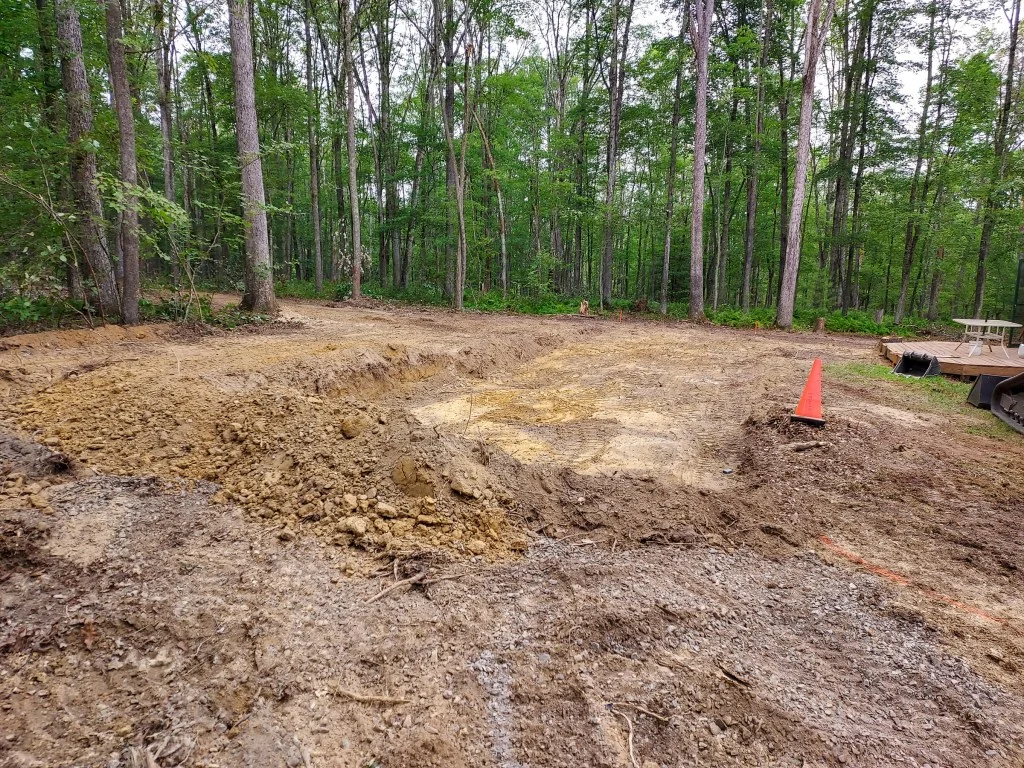
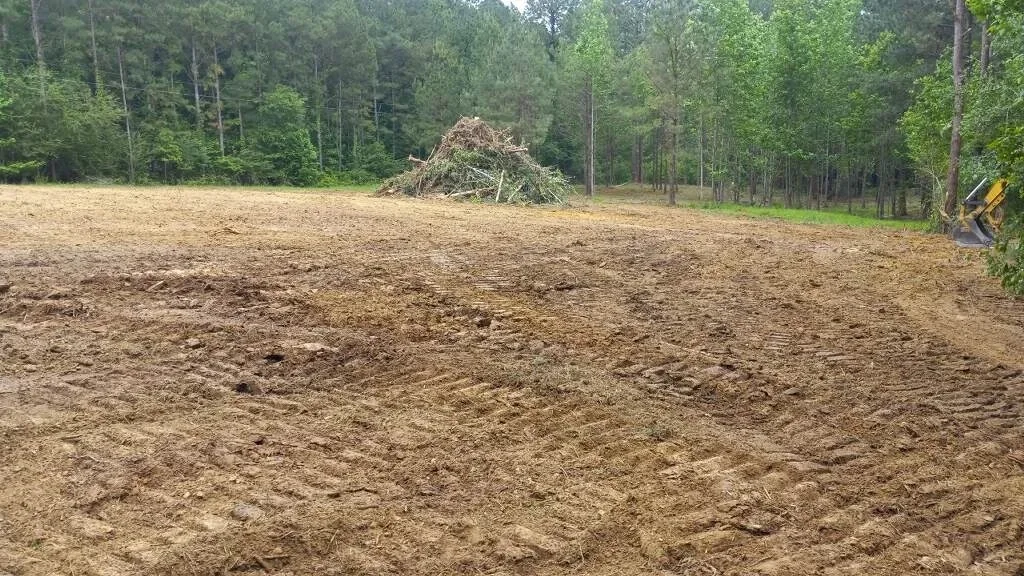
In practice, the one-acre trigger splits Candler jobs into two very different experiences. A quarter-acre lot off a side road near Pisgah Highway may never touch a state form. A five-acre parcel with a long gravel drive, a barn pad, and a house site cut into a slope is a different animal entirely. The disturbed area isn't just the house footprint; it's every square foot the equipment touches, including the temporary access road, the spoil pile, and the area cleared for the septic field. Graders who work this side of Buncombe County learn to measure the whole job, not just the lawn, before they tell a homeowner whether a permit is in play.
What the permit adds is mostly process, and process costs money. A plan has to be drawn and filed before ground breaks. Inspections happen at set points during the work, not just at the end. Ground cover has to be established on a deadline, which in western North Carolina means seeding or matting that will actually take in the season you're building. None of that is optional once you cross the line, and none of it shows up on a bid that was priced for a half-acre scrape. That's why the same regrade that quotes at $3,200 on a small lot can quote at the top of the band on a large one, even before the permit fees themselves.
What "yard leveling" actually means on a Candler lot
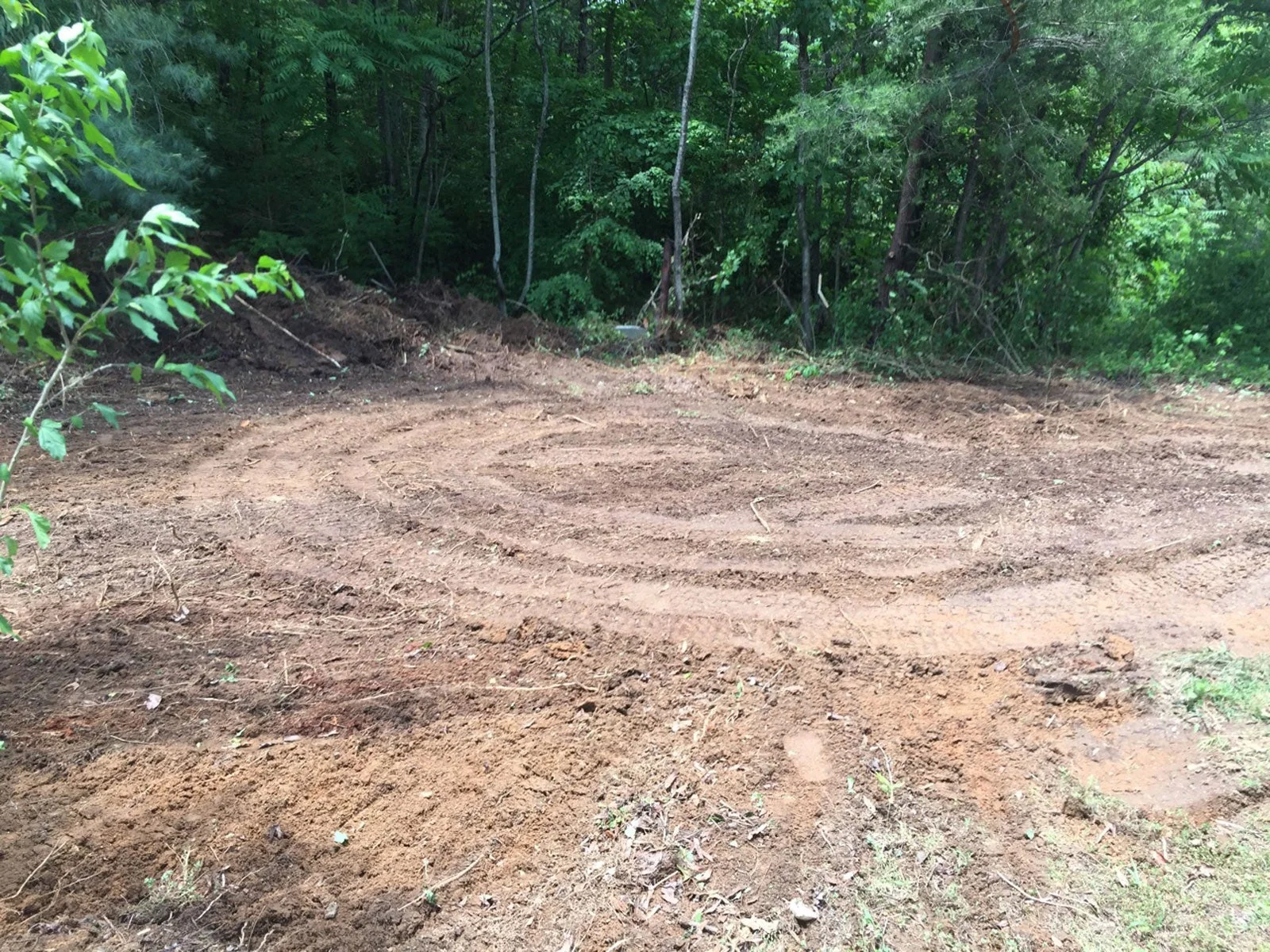
Candler yards are often sloped, cut into hillsides, or left rough after a build. Leveling can mean bringing a high corner down, filling a low corner up, or reshaping the whole surface so water moves away from the house instead of toward it. The scope usually includes soil import or on-site redistribution, compaction, and finish grading. On lots near creeks or springs, drainage has to be planned with the shape, not after it — the EPA and county stormwater guidance both treat runoff as a first-class concern, not an afterthought.
The word "level" is a little misleading on Candler ground, because almost nothing here is truly level and it shouldn't be. A finished yard on a hillside lot is a graded plane with a deliberate slope, usually two to five percent away from the foundation so water keeps moving. Homeowners sometimes ask for a flat spot for a playset or a garden, and that's fine, but the flat spot still has to drain. The grader's job is to give you the usable area you want while keeping the whole surface tilted in the right direction, which is a design decision as much as a dirt-moving one.
What shows up on a typical Candler scope: stripping and stockpiling topsoil so it can go back on the finish grade, cutting the high side and moving that material to the low side to avoid paying for fill, compacting in lifts so the ground doesn't settle under a patio or driveway, and shaping swales or a shallow ditch to carry surface water to a safe outlet. On lots with a spring seep or a wet-weather draw, the fix might include a French drain or a buried downspout extension. None of this is exotic, but it all has to be decided before the machine starts moving dirt, because re-doing grade is the most expensive mistake in this trade.
Candler grading prices by scope
Most Candler jobs land between $2,500 and $6,000. The table below reflects typical scopes; see the full Buncombe County grading cost breakdown for line-item detail. Any bid without a stated erosion or drainage approach on a large-lot job should be treated as incomplete. General contractor thresholds in North Carolina are set by the NC Licensing Board.
| Scope | Typical range |
|---|---|
| Small leveling (spot fill, few yards) | $1,800 – $2,800 |
| Full yard regrade, under one acre | $2,500 – $6,000 |
| Hillside cut-and-fill, drainage included | $4,500 – $9,500 |
| Over one acre (state erosion permit) | Upper band, plus permit costs |
Two things drive a Candler quote toward the top of its row. The first is hauling. If the lot needs imported fill, the trucking cost is real, and it's higher on the winding two-lane roads that climb away from the valley. When a grader can balance the cut and fill on site, the job gets cheaper fast. The second is access. A yard the machine can reach through a wide driveway is a different job from one where equipment has to come in over a slope or through a gap between trees. Walk the access with whoever quotes the job, because it's the single most common reason a bid changes once work starts.
Small spot-leveling jobs are the most common call in Candler, usually a low corner near a foundation, a rutted area where a driveway meets the yard, or a settled patch over an old septic line. Those run in the lower part of the band and can often be done in a day. Full regrades cost more because they involve stripping, shaping, compacting, and re-covering the whole surface. Hillside cut-and-fill is the top end, because it combines volume, drainage design, and often a longer equipment day. If your lot crosses the one-acre line, expect the upper band plus the permit process on top.
Water first, ground second
Buncombe County's federal disaster record explains most Candler drainage calls: 19 declared events touch this area (1973-2026), overwhelmingly storm and flood family. Those events pushed water at yards and foundations built for drier assumptions. Before any leveling, the drainage question has to be answered: where does the uphill water go, where do the gutters discharge, and does the finished grade shed away from the house. The National Weather Service rainfall data for western North Carolina shows why this matters here. A leveled yard that still ponds is a failed job.
The specific trouble spots in Candler tend to repeat. Yards that back up to a wooded slope collect sheet flow off the hillside and turn it loose at the base, right where a patio or a low foundation wall sits. Downspouts that dump within a few feet of the house pour hundreds of gallons against the foundation during a single summer storm. Driveways cut into a slope act like chutes and deliver water to whatever is at the bottom. Grading can solve all three, but only if the plan treats them together. Fixing the yard surface while leaving the downspouts and the uphill flow untouched just moves the problem a few feet closer to the house.
Compaction matters to water, too. Fill that gets dumped and smoothed without being compacted in lifts will settle, and settling creates low spots that hold water. That's the slow failure homeowners notice two or three winters later, when a once-flat yard has a new puddle against the foundation and a crack in the walk. Proper compaction is invisible when it's done right and expensive when it's skipped, which is why the honest bid includes it as a line item rather than burying it in a lump price.
Choosing a grader in this market
Three local checks: ask whether the crew has worked sloped Candler lots before, ask how they handle the one-acre erosion threshold, and ask for the drainage plan in writing. The difference between a grader who levels and one who solves water is the difference between a yard that stays flat and one that re-settles in two winters. Our yard leveling guide covers what a proper first visit includes, and the Candler grading contractors page lists local options.
A good first visit on a Candler lot takes longer than people expect. Someone should walk the whole property, not just the yard, and look at where water enters and where it wants to go. They should ask about the septic field, any known springs, and what the lot looked like before the house went in. They should look at the trees, because root zones limit where a machine can work and where a grade change can happen without killing something the homeowner wants to keep. If a bid arrives without that walk, it's a guess.
Paperwork is the other tell. On a large lot, the bid should say whether the job crosses the one-acre threshold and who is handling the erosion plan if it does. It should name the drainage approach in plain language, not just "proper grading." And it should separate the permit-related line items from the dirt work, so the homeowner can see what the regulation actually adds. The International Code Council and state licensing rules exist to set minimums, not to design your yard, so the plan itself is still on the contractor and the homeowner to get right. In a market where the county seat is Asheville and most of the trades are busy, the crew that takes time on the walk-through and puts the water plan in writing is usually the one worth waiting for.