Access and haul are the Canton story before any blade drops
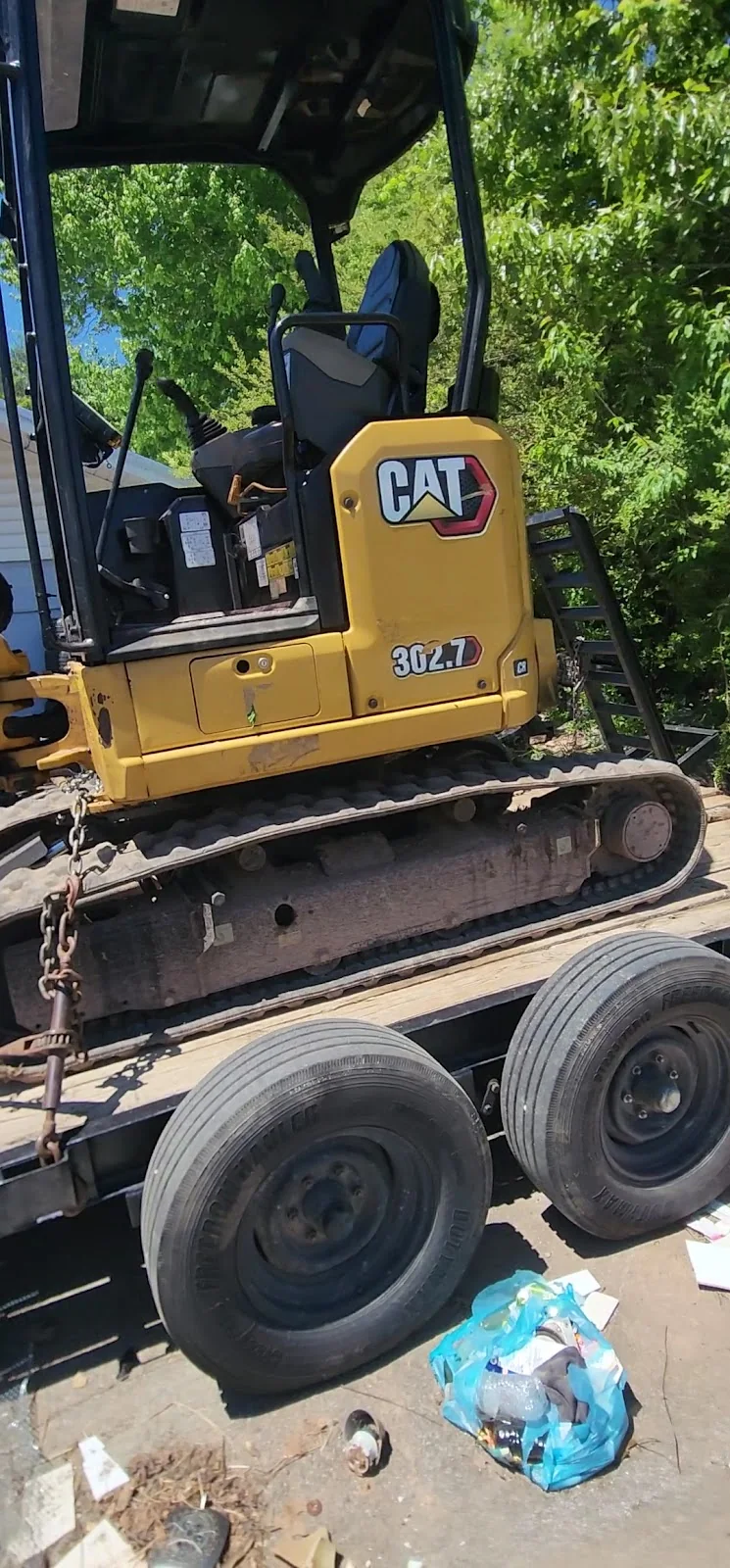
Canton grew up around the paper mill and the Pigeon River, and a lot of its residential land follows the river bottoms and the ridges above them. That means the machines, the spoils, and the trucks all thread the same narrow roads: Sorrells Street side streets, the lanes off Old Balsam Road, the steep driveways climbing toward Beaverdam. Before we quote a pad, we walk the access. A 20-ton excavator that fits through a Brevard Road gate in Asheville may not fit a switchback above the mill district, and the truck that hauls spoil out has to turn around somewhere on your property or on a legal easement.
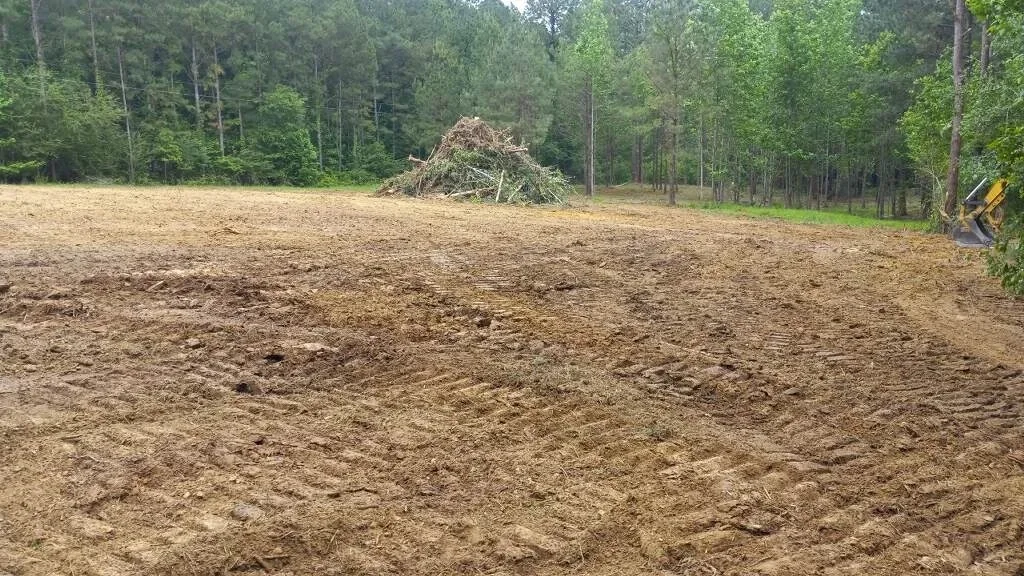
Haul is the second half. Cut-and-fill pads in Haywood balance dirt on site when the lot permits it, but a pad cut into a slope that can't hold the spoils means every yard leaves by dump truck. Gravel is the third leg: Canton sits a real distance from the large aggregate quarries that serve the Asheville basin, so crushed stone and Class II base carry a haul premium over what a Fletcher or Mills River job pays. That distance shows up directly in your quote, and a contractor who won't itemize it is guessing.
We've walked lots off Lake Logan Road where the driveway switchbacks twice before you reach a bench wide enough to park a machine, and lots on the flat above the river where a lowboy can back straight to the cut. Same county, same square footage, and the mobilizing line in the bid is different by thousands. That gap is the whole reason we look before we price, not after.
Concrete trucks face the same arithmetic. A mixer that can't make the grade means a pump truck, a line pump, or a short-load fee, and those costs live in the driveway and foundation line, not in the grading. If your access has a hairpin or a low wire, say so early, because the fix is often free and the surprise is not. Access conversations are cheapest before any equipment moves.
What Haywood County ground does to a pad plan
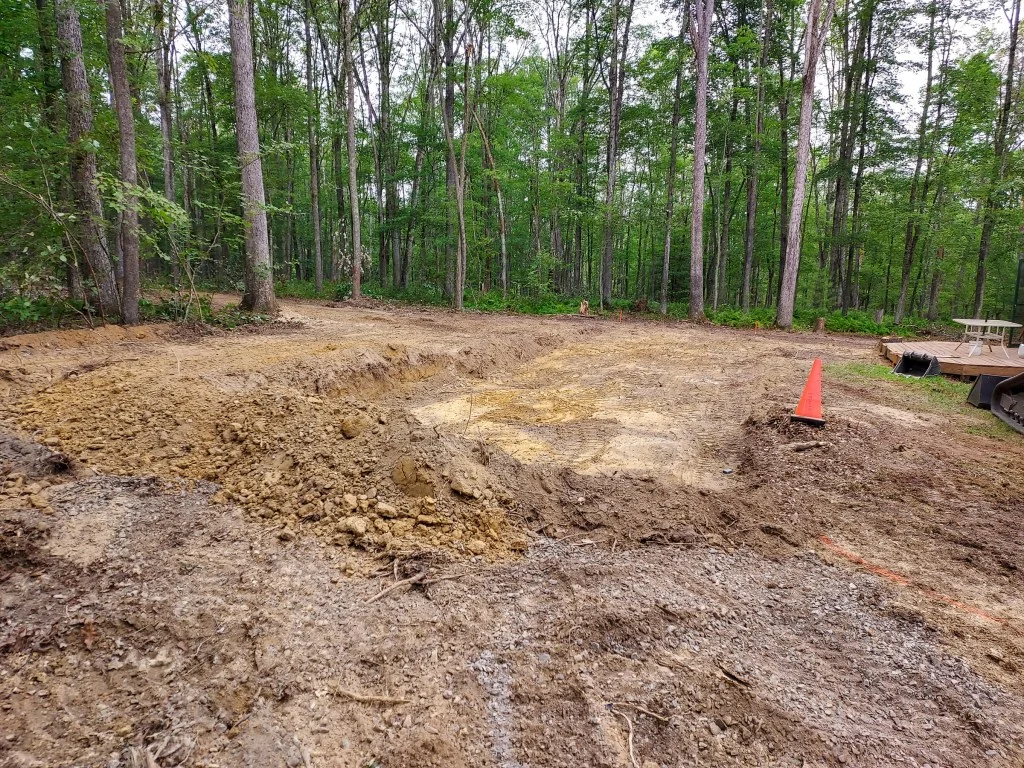
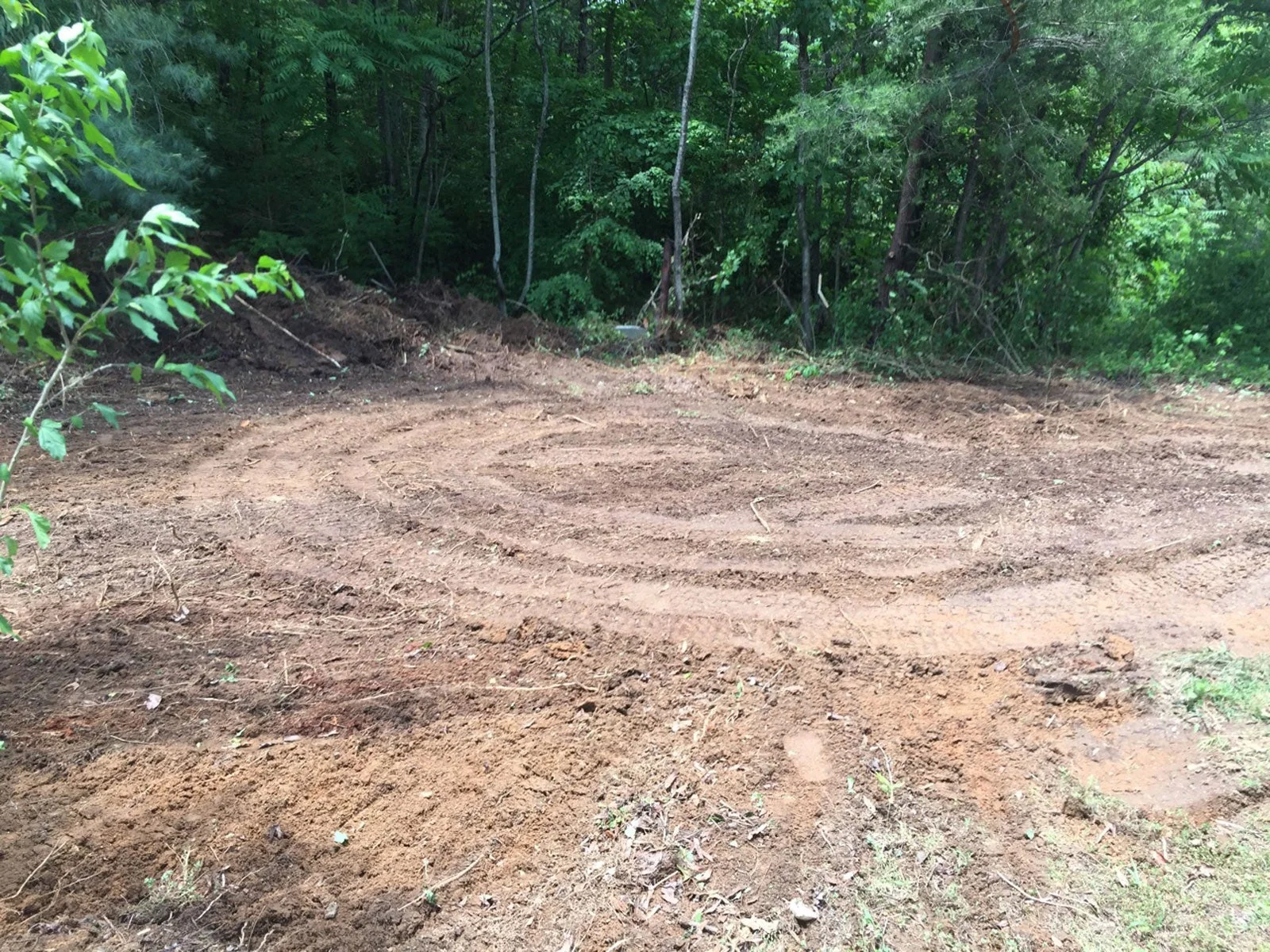
Haywood's terrain is steep and its soils vary mile to mile. River-bottom lots off the Pigeon tend to be deep alluvium that compacts slowly and drains poorly until you crown and ditch it. Ridge lots carry clay and weathered rock that looks solid and turns slick after a wet week. Both need a compaction plan, not just a grade. The International Code Council residential provisions treat site preparation, fill placement, and drainage as load-bearing requirements because a pad that fails those doesn't fail gracefully; it costs you the structure above it.
Concrete flatwork is the other tell. A driveway or slab poured on unproven fill in this county cracks within two winters. We test the subgrade before we price the pour, and if the ground won't hold, the fix is compaction and drainage, not thicker concrete.
The bedrock story matters too. Haywood has areas of shallow-to-rock ground where a cut that should take a morning turns into a rock hammer and a slow afternoon. We probe before we bid, and if the west end of your lot is deeper topsoil than the east end, the bid says so.
We've also worked creek-side lots near the Pigeon's tributaries where a high water table means the pad needs underdrain even though the surface looks dry in July. That kind of ground is honest only when you dig a test hole first.
The Canton cost picture, scope by scope
Every job is bid on access, haul distance, and how much rock we hit. The table below reflects what these scopes typically price at in Haywood County; the gravel column moves most because Canton's quarry haul premium is real.
| Scope | Typical Range | What drives it |
|---|---|---|
| Small level pad (shed or outbuilding) | $3,500–$6,000 | Access width, minimal cut |
| Single-family building pad, gentle lot | $6,000–$12,000 | Cut/fill balance, compaction |
| Building pad with gravel base and underdrain | $9,000–$15,000 | Quarry haul distance, drainage detail |
| Steep, wooded, or rocky Holler lot | Toward $30,000 | Spoil haul-off, tree clearing, rock excavation |
| Driveway cut and gravel surface | Per the grading cost page | Length, slope, ditch and culvert work |
These line up with the broader numbers on the Haywood County grading cost breakdown, which is the page to read if you're comparing pad and driveway quotes side by side.
A dead-level lot near the river bottom and a steep-hillside bench above Beaverdam can be the same size pad and end up thousands apart. That's not a sales speech; it's the difference between a machine working from the top down and an excavator fighting a slope all day while a dump truck waits below.
Water, weather, and why western NC lots need drainage built in
The federal disaster record makes the point plainly: 19 declared events touch this county across 1973-2026, dominated by storm and flood families. Canton's river-bottom neighborhoods have seen what a Pigeon River flood year does to low ground, and the ridges deal with a different version: sheet flow off steep slopes that finds the one low corner of a fresh pad and ponds it. The National Weather Service mountain forecasts matter to scheduling here too; a cut left open through a wet spell can lose a season of compaction.
Every pad we build gets a positive surface pitch and a documented outlet, whether that's a swale to a natural draw or a pipe to a legal discharge point. Underdrain and footing drain detail is cheaper installed before the slab than retrofitted after the first wet winter.
The U.S. Environmental Protection Agency stormwater guidance echoes the same principle at the watershed scale: slow the water, direct it, and keep sediment out of the creeks. On a Canton pad that means silt fence and a stabilized outlet before the first rain hits bare dirt, not after. The Pigeon and its tributaries run through the middle of daily life in this town, and a job that muddies them is a job we don't want to be known for.
We'd rather build drainage into the original bid than sell you a repair after the first hard spring. That is not a favor; it's the cheapest way to keep a pad working for the next twenty years.
Permits, licensing, and picking the right crew
Grading and excavation permitting in Haywood County and Canton depends on scope, slope, and proximity to streams, so the honest answer is: ask before you dig, not after. Separately, North Carolina licensing rules kick in once construction contracts cross statutory thresholds, and the NC Licensing Board for General Contractors is the place to confirm a contractor's standing. Ask any bidder three questions: how do you handle spoil if this lot can't balance, how do you price the quarry haul, and can you show me a compaction result from a Canton-area pad.
If you're still scoping the work, the site prep and building pads guide walks the full sequence, and the Canton grading contractor page covers how we structure bids locally. Both are worth ten minutes before anybody writes you a number.
One more local note: a lot that looks buildable from the road can be a different lot once you stand on the back corner. That is why we meet you on site, not on the phone, and why the walk-through is free of charge. It's also why we'd rather write a quote from a measured site than from an address.