The four line items that set a Waynesville pad price
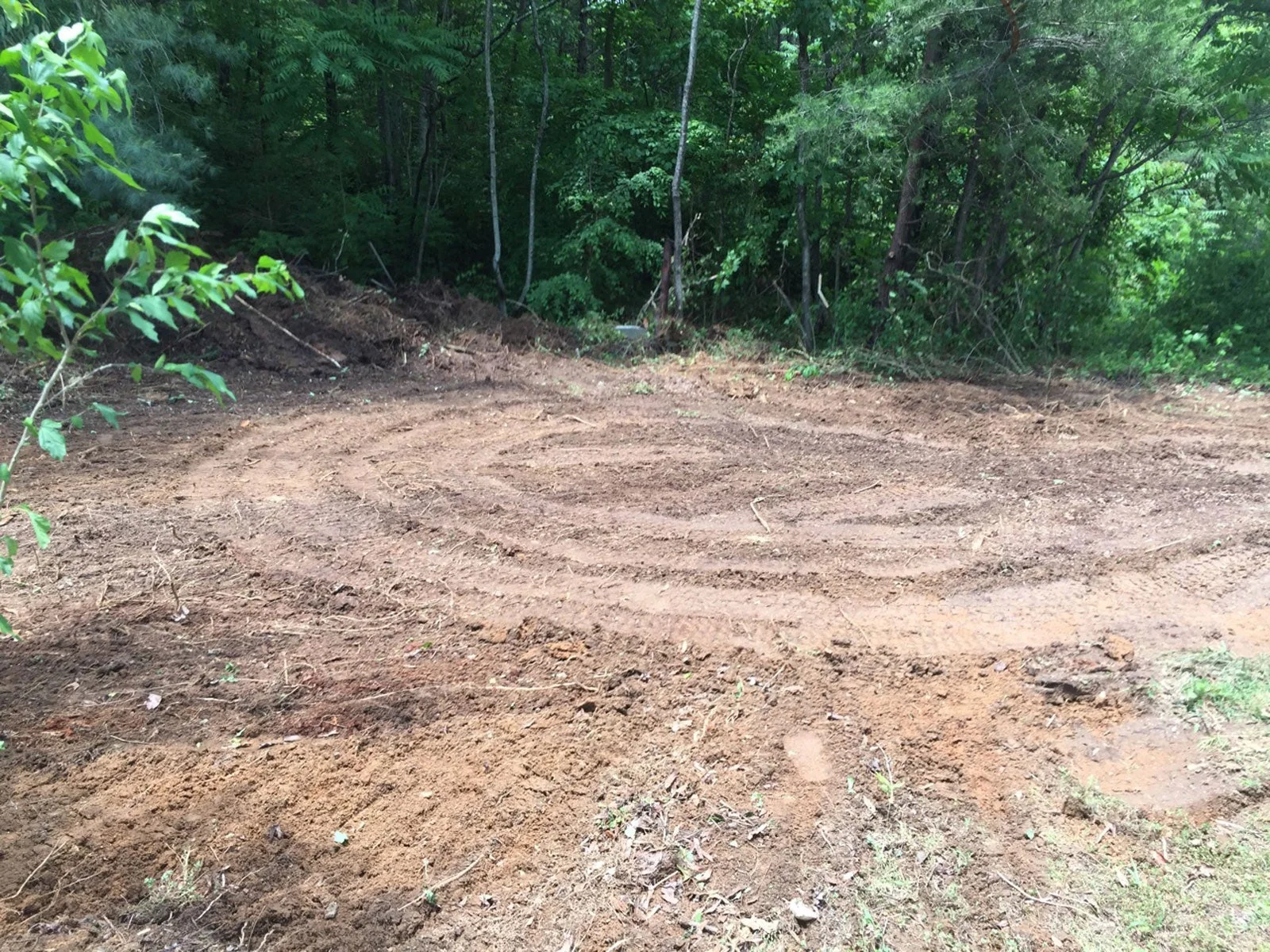
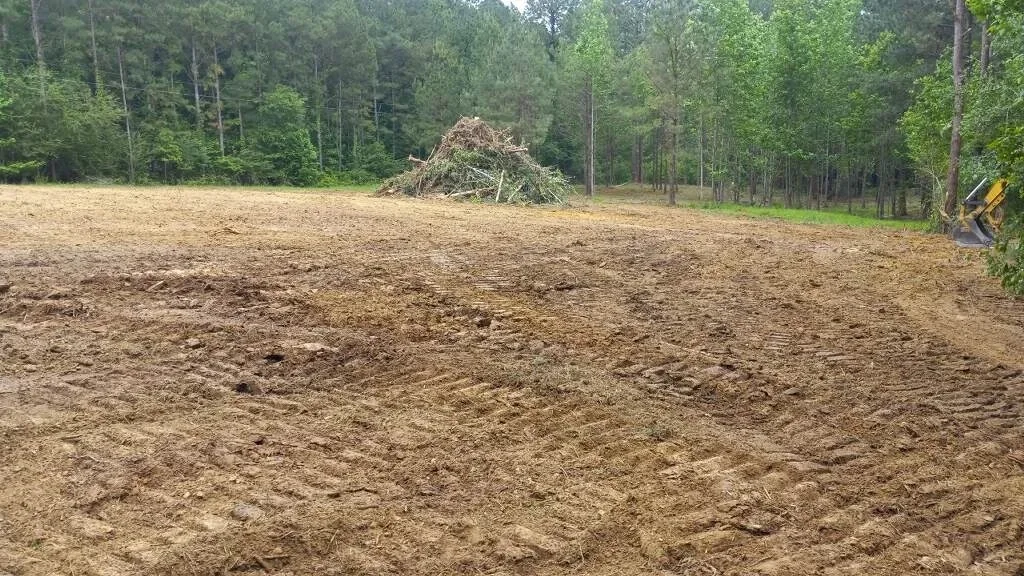
A pad bid in Waynesville is not one price, it is four added together, and the spread between a $4,000 pad and a $28,000 pad lives almost entirely in the second one. Clearing and grubbing is the most predictable: wooded lots in the Crabtree and Ratcliffe Cove areas carry hardwood and undergrowth that has to come out roots and all, and that cost scales with acreage more than with terrain.
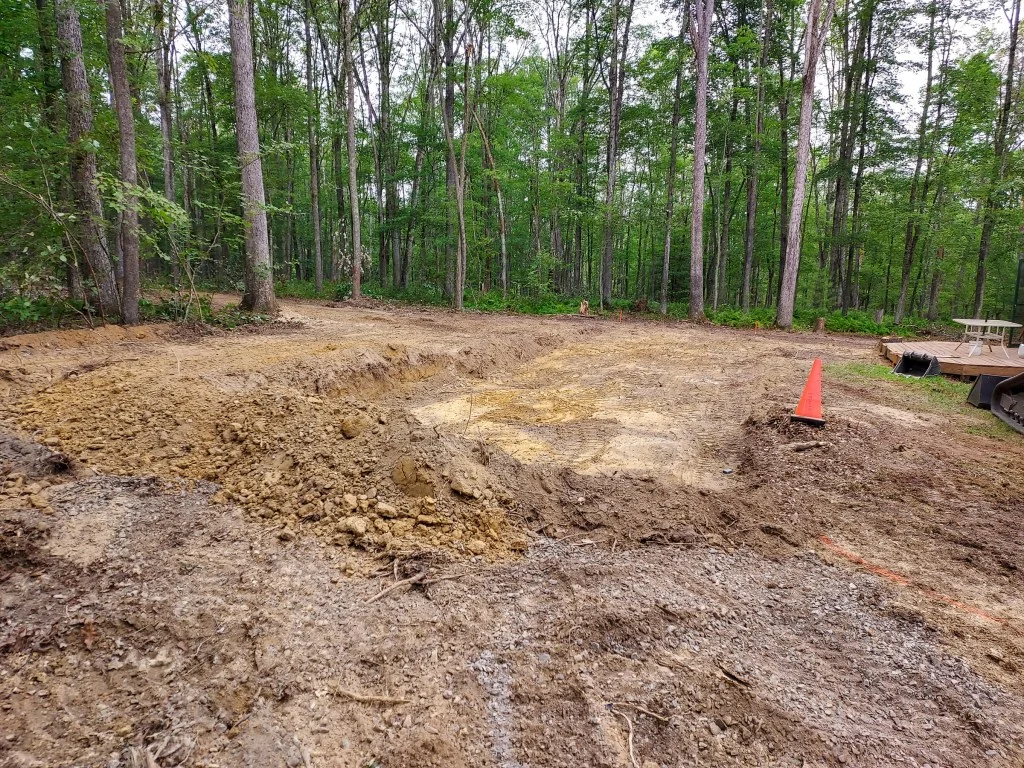
Cut and fill is where the money goes. Waynesville sits in a valley floor at roughly 2,700 feet with ridges climbing hard on every side, so a lot's buildable envelope is usually a bench cut into a slope. Every yard of dirt moved off the high side and placed on the low side is paid twice — once to excavate, once to compact. A lot that needs three feet of cut across the pad is a different job than one needing twelve, and no amount of shopping around changes the volume.
Drainage is the third line, and in Haywood County it is not optional. A pad cut into a hillside intercepts groundwater and uphill runoff that previously kept going downhill, and the International Code Council residential provisions treat site drainage as a structural requirement for exactly that reason. Stone and compaction round out the bid: the base course is sold by the ton, and the compaction testing that proves the pad will carry a footing is a line item a serious crew writes in rather than hides.
Cost bands by scope on a typical Haywood County lot
The table below reflects how the same four line items combine at different lot types around Waynesville. These are working ranges, not quotes, and they stay inside the regional band for residential pads. For the detailed per-item breakdown, the Haywood County cost page carries the full working table.
| Scope | Typical range |
|---|---|
| Small flat infill pad, minimal clearing, existing grade | $3,500 – $6,000 |
| Standard valley-floor lot, moderate clearing, light cut and fill | $6,000 – $11,000 |
| Wooded lot with significant clearing and engineered fill | $11,000 – $18,000 |
| Steep ridge or hillside bench, retaining and drainage | $18,000 – $30,000 |
Two adjustments push a job within its row: rock. Beyond about 1,500 feet of elevation around town, weathered bedrock and float stone show up in the cut, and rock removal bills by the hour or by the cubic yard. The other is access. A lot off a narrow county road where a dump truck cannot turn around adds hauling time that a wide subdivision street never sees.
Reading your lot before anyone bids it
The single most useful thing a Waynesville homeowner can do is figure out which side of the cut-and-fill equation their lot sits on before calling. A lot that already holds a house pad, driveway, and lawn on relatively level ground is a finishing job. A wooded parcel with a driveway that switchbacks up tells you the pad will be a bench, and benches cost like benches.
Slope percentage is the number that matters. Under ten percent, most of the site work is smoothing and drainage. Between ten and twenty-five percent, you are into real cut and fill with a retaining wall likely at the uphill or downhill edge. Past twenty-five percent, engineering enters the conversation, and the North Carolina Licensing Board for General Contractors draws a line where projects of a certain cost require a licensed general contractor rather than a handyman — worth knowing before you hire, because a hillside pad that goes wrong is expensive to undo.
The other pre-bid question is where the water goes when the pad is done. In Waynesville's climate, that answer involves gutters, swales, and often a French drain at the uphill cut, and a bid that omits it is incomplete rather than cheap. See the site prep and building pads guide for how these pieces fit a full build sequence.
Weather, water, and the schedule in this valley
Waynesville gets the mountain version of a Southern climate: wet springs, humid summers, and the occasional tropical system that has already spent its fury on the coast before the remnants arrive here. The federal disaster record for this county, 19 declared events spanning 1973-2026, is dominated by storm and flood family declarations, and that history shows up in how responsible crews sequence dirt work. A pad left open through a wet spell turns to soup, and soup re-compacts badly.
The practical upshot is scheduling. Grading in this valley tends to run best from late spring into early fall, when a cut can be shaped and capped before the next front. The National Weather Service forecasts for the Waynesville area are worth checking before a crew mobilizes, because a two-day rain event in the middle of a cut-and-fill sequence can add days of rework. If your timeline is flexible, building in a weather buffer costs nothing and saves a lot.
Getting a real number on your lot
Three questions separate a contractor who can grade a Haywood County hillside from one who mostly mows flat ground. First: how will you handle the uphill water when the pad is cut? Second: will you compaction-test the fill, and who runs the test? Third: on a lot this steep, what is your plan for rock, and how is it billed? The answers tell you whether the bid is complete.
From there, get the scope in writing: cubic yards of cut and fill, tons of stone, linear feet of drainage, and any retaining structure. When you are ready to compare bids, the local crew directory at grading contractors in Waynesville is the place to start, and it helps to ask each one whether they have worked your side of the valley, because the ground on the Crabtree side does not behave like the ground off Russ Avenue.