The one-acre line that reshapes Haywood driveway bids
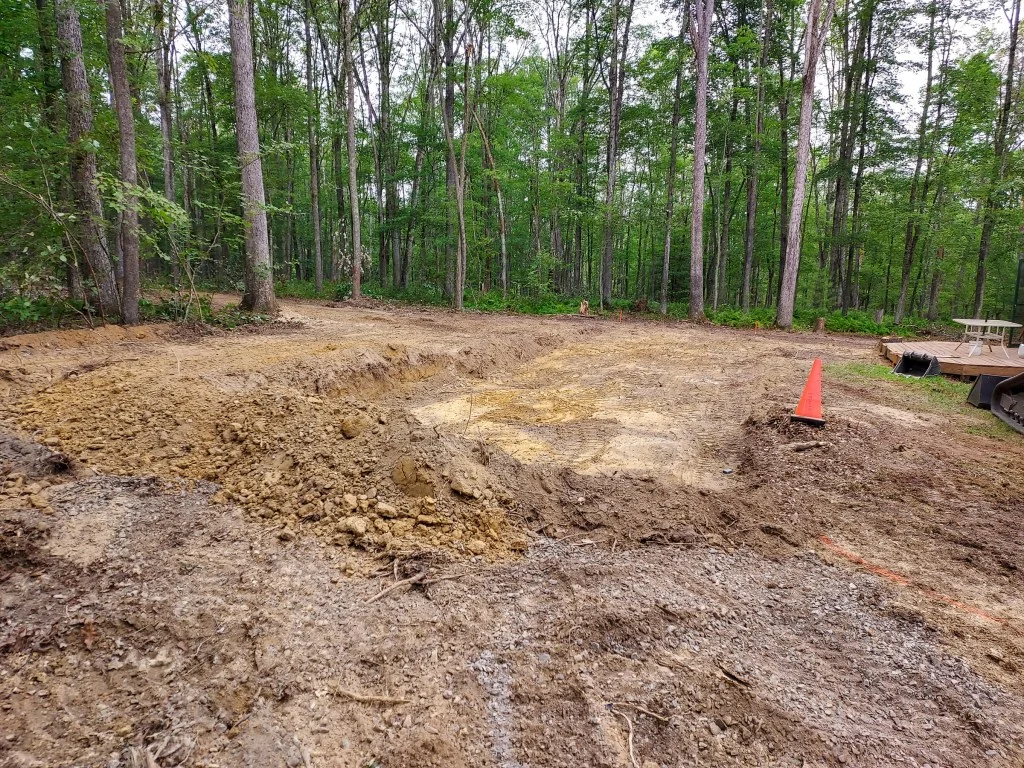
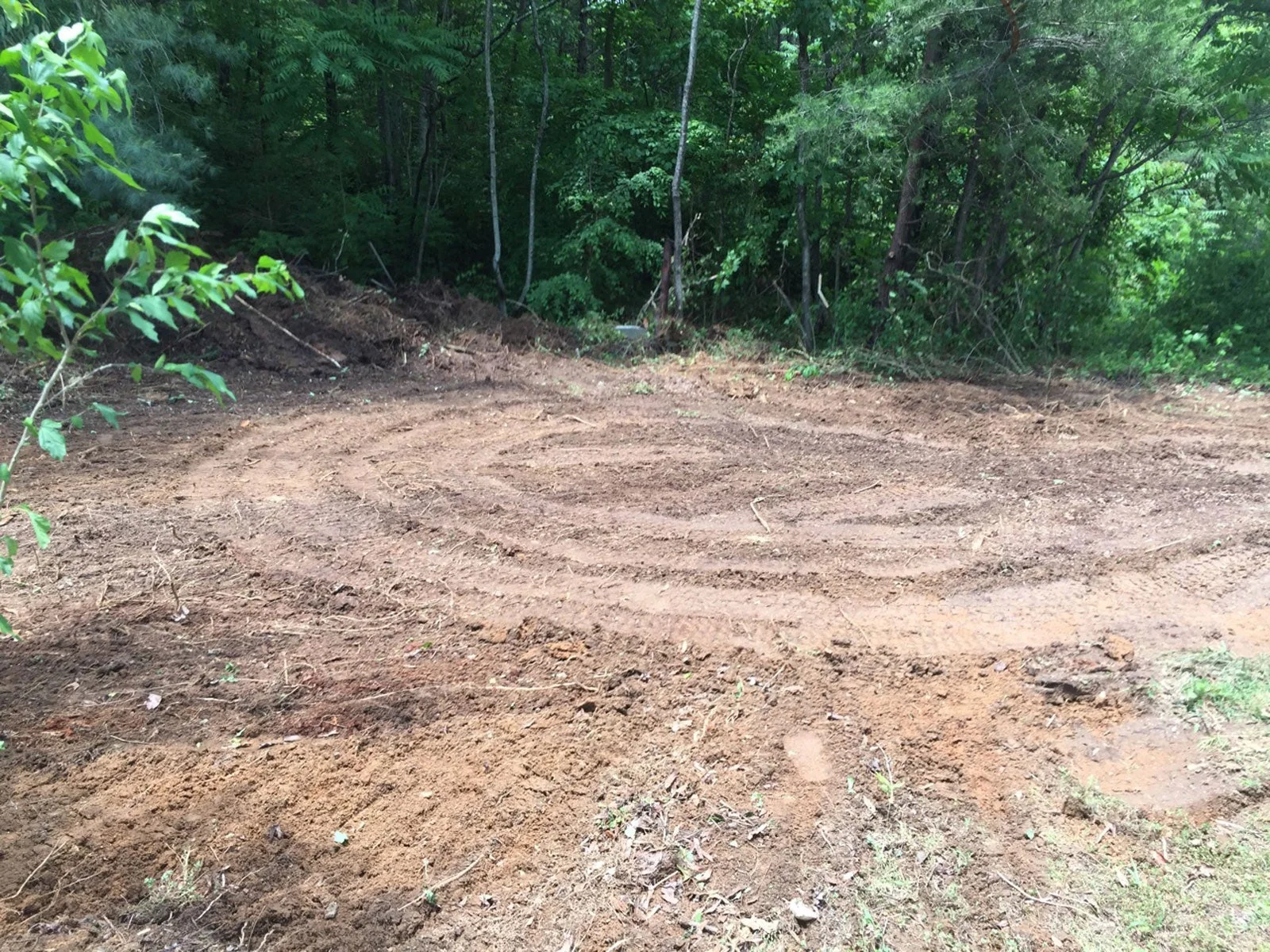
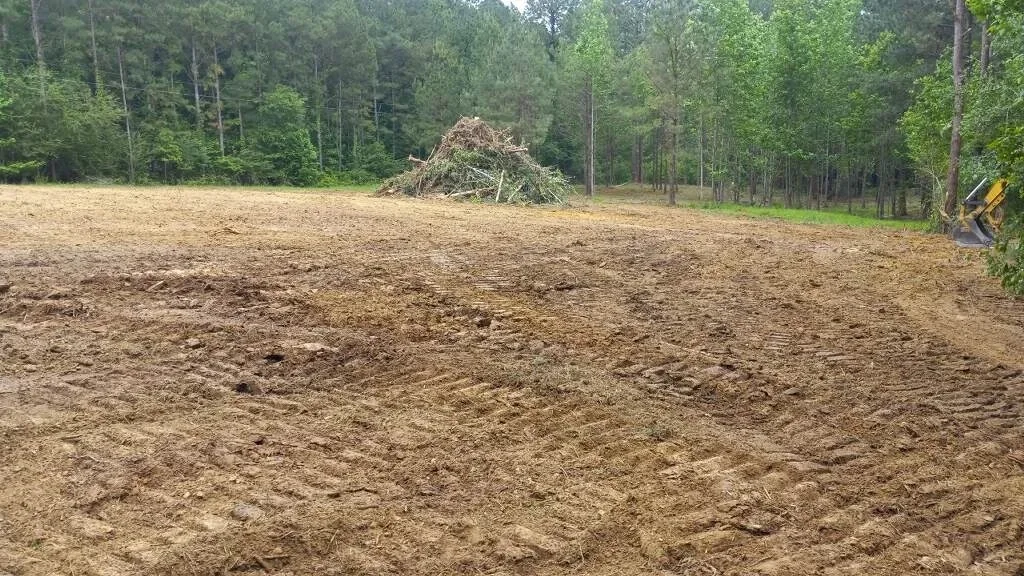
Haywood County's terrain is the reason most local driveway projects get quoted twice. The first number is for the driveway. The second shows up when the contractor measures disturbed ground and realizes the job crosses the state's one-acre threshold for a stormwater and erosion control permit. A driveway that looks modest from the county road can strip vegetation across an acre of steep, clay-heavy slope in a single afternoon of cutting, and once the disturbed footprint crosses that line, the plan changes.
What that adds is real: a prepared plan, silt fence and inlet protection installed and inspected, a maintenance schedule through the rainy months, and a final stabilization sign-off before the job is closed out. On a steep Waynesville-area grade, that permit package can move a bid by thousands, and it is not a fee a contractor can quietly waive. The state stormwater program lives under NC Office of State Fire Marshal code enforcement coordination with the county, and the federal Clean Water Act backbone sits with the U.S. Environmental Protection Agency.
The practical takeaway: any Haywood grader who bids your driveway without asking about the disturbed acreage and the lot's slope is guessing. Ask the permit question first, then talk stone.
It helps to picture the geography. Haywood sits in a bowl of sorts, the Pigeon River valley running east-west through Canton and Clyde, with the land rising fast on both sides toward the Smoky Mountain front and the Blue Ridge escarpment. A lot off a valley road like Jonathan Creek or Crabtree may be nearly flat at the house pad but drop steeply to the road cut. A lot up in the Maggie Valley or Fines Creek area may climb the whole way. Two driveways of identical length can disturb radically different acreage depending on which side of the valley they sit.
That is why the one-acre question is not bureaucratic trivia here. It is the single decision that separates a modest gravel job from an engineered one. A crew that has graded in Haywood long enough to know the drill will walk the lot with a soil probe and a grade level before quoting, not pace it off from the tailgate.
What Haywood County property owners actually spend
Haywood is not flat piedmont, and it is not the highest, rockiest ridges of the far western counties either. It's the middle: long valleys, hard clay, and hillside lots from Clyde and Canton up through Maggie Valley where a grader's cut depth can swing by feet within a single property line. That variation is why honest price bands here are wide.
| Scope of work | Typical Haywood range | What drives it |
|---|---|---|
| Short, gentle drive, basic gravel | $1,800 – $5,500 | length, width, existing grade, stone type |
| Long or winding drive, culvert included | $5,000 – $9,000 | distance from road, drainage crossings, base depth |
| Steep hillside with retaining cut | $8,000 – $12,000 | cut volume, drainage structures, erosion plan |
| Resurface / top-dress only | $1,800 – $4,500 | existing subbase condition, stone tonnage |
Those are working ranges, not quotes. A crew that hands you a firm number before walking the slope is pricing the wrong job.
Distance matters more than people expect. A lot near the center of Waynesville, off Russ Avenue or Howell Mill Road, may have only 60 or 80 feet of drive from the county road to the house, the kind of job a grader can rough in and stone in a day. A parcel out in the Bethel or Beaverdam community might need a quarter-mile of driveway cut through trees before a single load of stone gets placed, and every additional hundred feet of length adds grading time, base depth, and tonnage.
Stone choice also moves the number. Local suppliers stock a range of crushed products, and a driveway on heavy Haywood clay typically wants an angular crushed base to lock in before a smaller surface stone goes on top. The wrong stone, anything rounded or too uniform in size, rides on the clay instead of knitting into it, and that is a driveway that ruts the first wet spring. A good grader will name the specific gradation they intend to use and why, not just say "gravel."
Resurfacing is its own category. Many Haywood driveways don't need to be rebuilt, just topped. If the existing base is sound and only the surface has worn to clay, a top-dress of a few inches can restore a drive at a fraction of new-install cost. But if the base was never right, or the drainage was never fixed, new stone on top is money in a rut.
Why slope and clay set the stone budget here
Haywood County's soil profile is mostly weathered clay over rock, and once a grader cuts into it, water does the rest. A hillside drive that isn't crowned and ditched correctly becomes a channel in the first hard storm, and the stone you paid to lay ends up in the creek at the bottom of the lot. The record backs that up: 19 federally declared disaster events touch Haywood County (1973-2026), most of them flood and storm family. That history shows up on driveways as washouts, exposed base, and rutting so deep a passenger car drags bottom.
Practical ordering: grading and drainage first, stone second. A driveway that fights uphill runoff will need re-grading within a season or two regardless of how thick the gravel was. If your project involves reshaping the lot, our grading cost guide covers the excavation side, and the Buncombe County grading cost breakdown is a useful comparison for the neighboring market, though local pricing differs by haul distance and slope.
There is a reason drainage gets so much attention in this county. When a summer thunderstorm drops a couple of inches in an hour on a hillside that has just been cut, the water has to go somewhere, and it goes downhill fast. A driveway built with a proper crown sheds that water to the sides; one built flat or dished turns into a streambed. The difference in construction cost is modest, a bit more machine time to shape the grade, but the difference in maintenance cost over the following years is enormous.
Freeze-thaw cycles are the other half of the story. Waynesville and the surrounding valleys sit high enough that the ground goes through repeated freeze-and-thaw through the winter. Water that gets into the base and then freezes pushes stone apart, and the spring melt leaves soft spots and potholes. Good drainage, not thicker stone, is what protects against that cycle. A drive that stays dry through the winter is a drive that lasts.
Permits, licensing, and who can legally do the work
Driveway grading that touches streams, wetlands, or a slope above a certain steepness can trip county review even under the one-acre threshold, so always confirm with the Haywood County planning desk before cutting. Structural and large-scale site work in North Carolina has a licensing threshold: once a project crosses the state's dollar figure, the contractor must hold a general contractor license under the NC Licensing Board for General Contractors. Ask for that license number and verify it. A driveway grader who won't show it is telling you what the rest of the paperwork looks like.
On jobs that involve culverts, swales, or stormwater discharge, the plan also needs to reflect the standards in the residential code, which the NC code enforcement office publishes. If a contractor waves anything off as "nobody checks that out here," that is a working definition of a change order waiting to happen.
Streams and creeks deserve special care in Haywood. The county has a lot of them, the Pigeon and its tributaries, plus countless smaller branches that run down off the ridges. Any driveway crossing or working near a stream may need buffer and setback considerations beyond the standard erosion plan. This is the kind of thing that is better sorted out at the planning desk than discovered mid-project when a stabilization inspector arrives.
It is also worth knowing that North Carolina requires the contractor to be licensed for projects above a dollar threshold that changes with the law. Most single residential driveways fall below it, but larger, longer, more engineered builds can cross it, especially when the driveway is part of a bigger site package. The licensing requirement is not about the driveway; it is about the overall project. When in doubt, ask, and ask to see the license number, and confirm it with the state board.
Three ways to keep a Haywood driveway bid honest
- Price by the ton and the hour, not the lump. Stone tonnage and machine hours vary once digging starts on a hillside; itemized bids stay honest through changes.
- Ask what happens to the water. If the bid doesn't mention crowning, ditching, or culvert sizing, the drainage piece is missing, and that's the piece that determines whether the gravel stays.
- Compare against the table above. If a bid lands far outside the range, make them walk through why. On Haywood slopes there's often a real reason, and how the contractor explains it tells you whether the price is justified.
For the regional picture across the trade, see the full gravel driveway cost guide.
A few final local notes. Haywood County driveways often serve as the only practical access to the house, so scheduling matters. A crew that can't start until the wettest weeks of spring will fight the mud the whole time. Ask about timing. Also ask where the stone is coming from; haul distance from the quarry to a remote Haywood parcel can add a meaningful amount to the per-load delivered cost, and that is baked into any honest bid.
Finally, remember that a driveway is infrastructure, not decoration. On a mountain lot it is the thing that gets you home in a storm, gets a delivery truck to the door, and keeps the foundation of the house dry. The best price on a Haywood driveway is the one that buys a drive that lasts. Cheap stone on bad drainage is the most expensive driveway there is.