The one-acre line that decides your Marshall culvert job
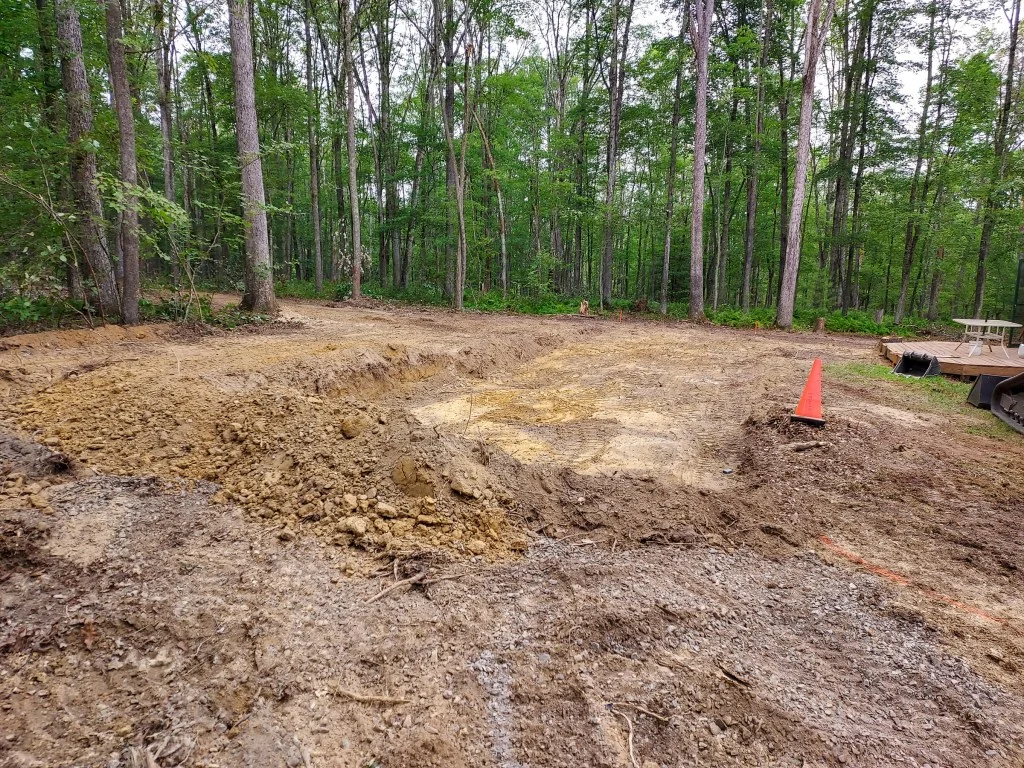
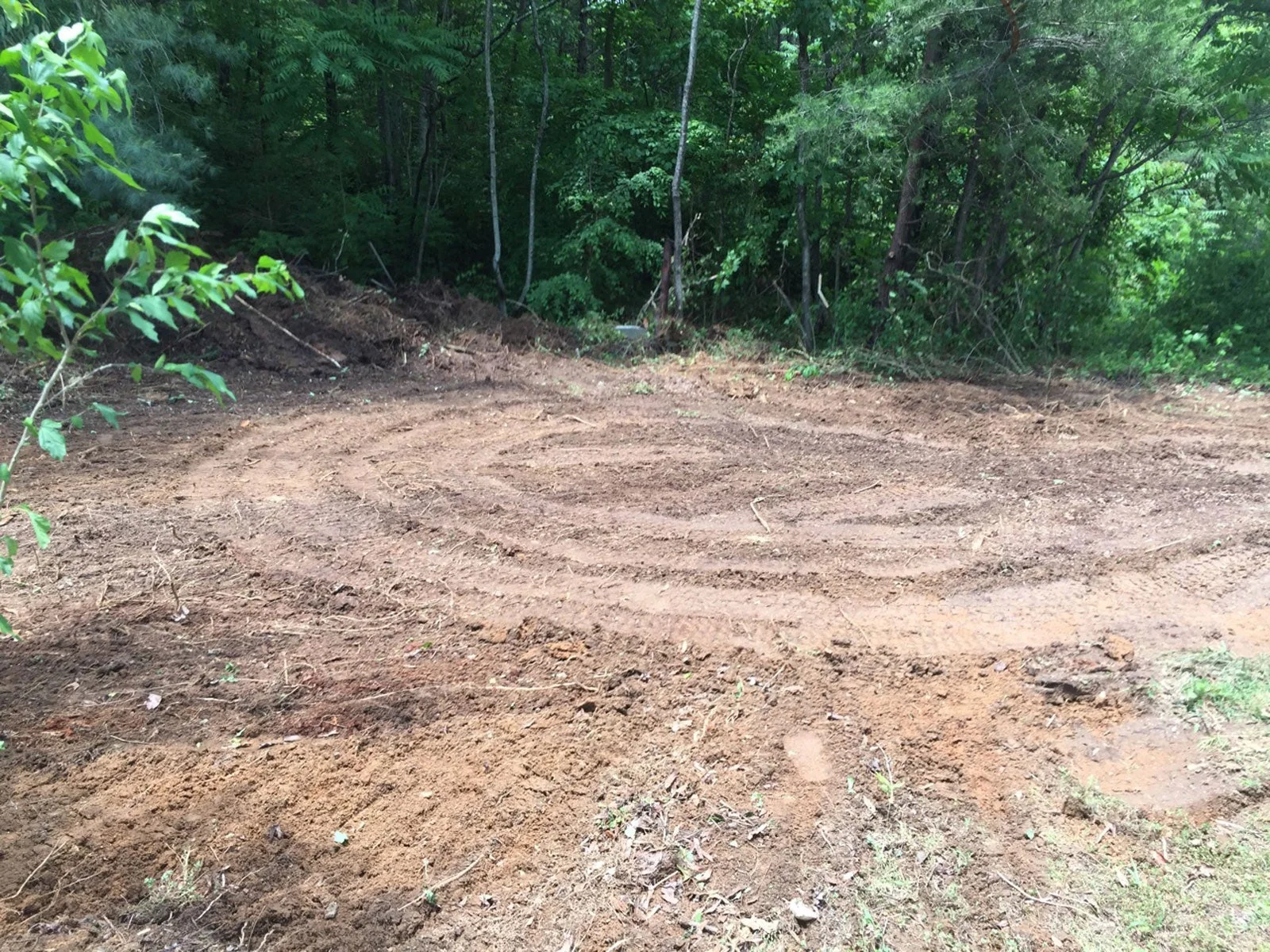
The first question on any Marshall culvert call is not pipe diameter. It is how much ground the job disturbs. Below one acre of disturbance, a driveway or road culvert is usually a local grading matter and a straightforward install. At or above one acre, the state erosion and sedimentation program kicks in, and that means a plan, engineering input, and inspections layered on top of the shovel work. On the hillsides above the French Broad, a single long driveway cut can cross that line faster than most owners expect.
That threshold changes the budget, not just the paperwork. A sub-acre driveway pipe in Marshall is one kind of job. A one-acre-plus hillside cut with a culvert at the bottom is a different project with a different scope, and pricing it like the first one is how bids go wrong. If your site is anywhere near the line, get the disturbance footprint measured before you compare numbers.
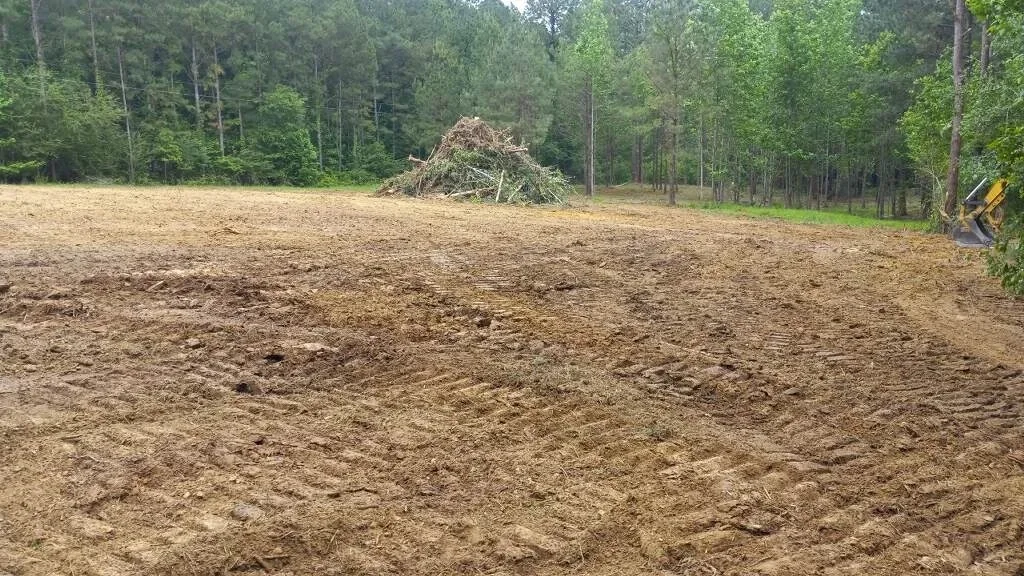
Madison County's terrain makes that measurement harder than it sounds. Lots here are typically cut into slopes, and the disturbed area isn't just the trench for the pipe. It includes the grading pad for the machine, the temporary access to reach the pipe, the spoil pile, and the outlet channel. On a tight hillside parcel above the river, those add-ons can push a 250-foot driveway past an acre even when the pipe itself is short. A surveyor or grading contractor can walk the limits with you and flag where the footprint lands. That conversation costs a fraction of what a late-stage permit scramble does.
One more wrinkle: if the project touches a mapped stream or wetland, the presence of the pipe matters less than the fact that you're working in a regulated drainage. That review runs on its own clock and can add scope even on a sub-acre job. Ask early.
What actually drives the price in Madison County terrain
Madison County ground is steep, rocky, and wet. Driveways climb, creeks run hard in spring, and a culvert that is undersized for a mountain watershed will plug the first big rain. The price movers here are pipe diameter, barrel length, the amount of rock you hit, and how much headwall and outlet protection the site needs to keep water from eating around the pipe.
Because so much of this work sits near streams and drainageways, water quality rules apply. The EPA stormwater guidance is the plain-language background on why outlet stabilization matters, and the NC Office of State Fire Marshal code resources cover the installation standards your pipe has to meet. For anything that touches a mapped stream, expect the review to be slower and the scope to be wider.
Rock is the wild card specific to this county. Marshall sits in ground that's as much rock as soil, and crews hit it on nearly every hillside cut. Rock removal can double the excavation line item, and it rarely shows up on a flat-rate phone estimate. When you get numbers, ask how the bid handles unanticipated rock. A fair bid carries a stated per-hour or per-cubic-yard rate for rock excavation, and a bad one hides it as a change order later. That single question separates a real mountain bid from a flatland guess.
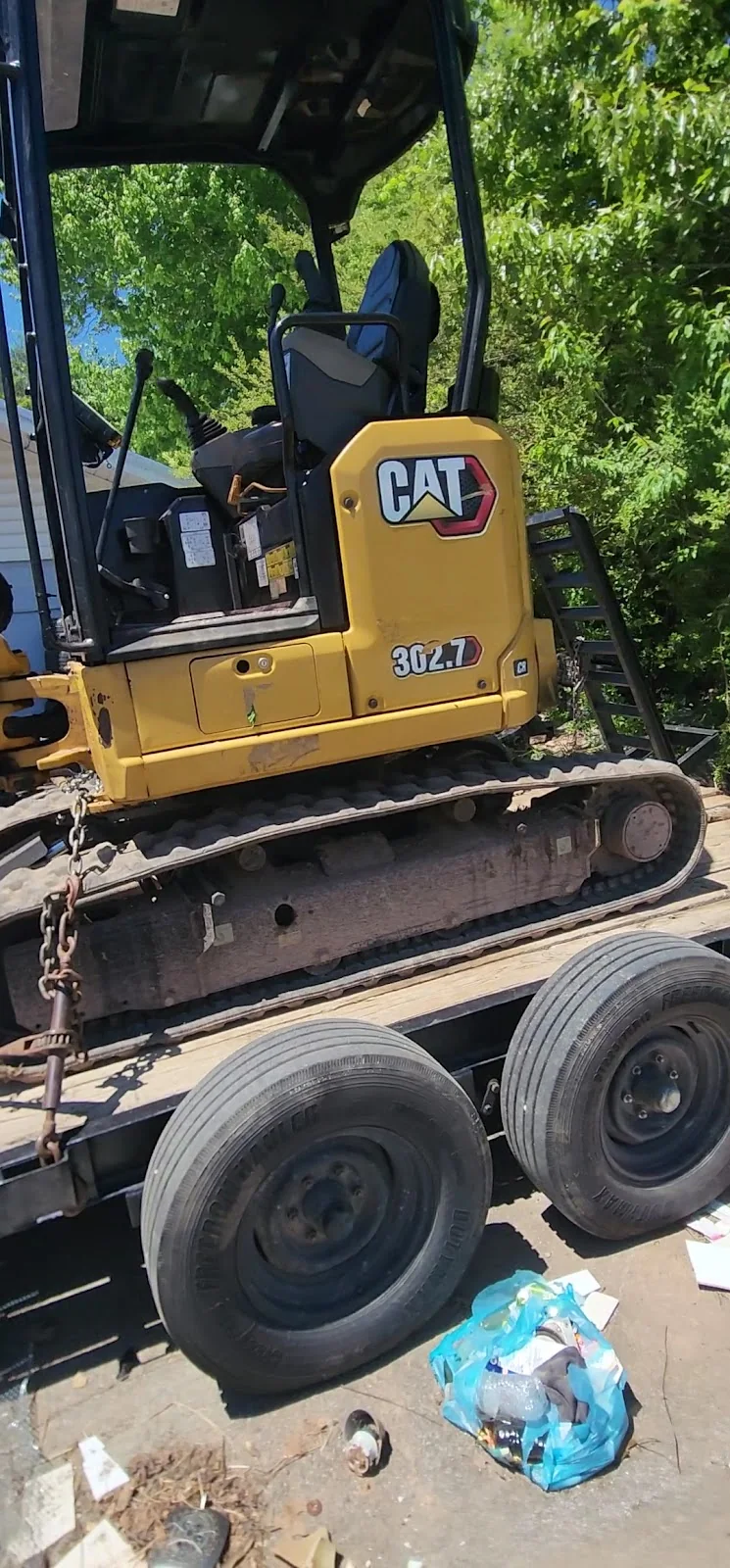
Access is the other local variable. If a machine can't reach the pipe location without cutting a temporary road, the temporary road is part of the job and part of the disturbed acreage. Sloped lots off the ridges above Marshall and Mars Hill often need a track hoe working downhill rather than a full-size excavator, and that changes the day rate and the timeline. Pipe that would take two days on flat ground can take four on a 20-percent slope with a rock seam running through the trench bottom.
Pipe size, length, and what the ranges look like
Treat these as planning bands, not quotes. Marshall jobs swing widely because a 20-foot driveway crossing and a 60-foot hillside run with two headwalls are not the same animal. The table below shows how scope tracks price.
| Scope | Typical range | What's included |
|---|---|---|
| Short driveway pipe, 12-15 inch, sub-acre | $1,800-$3,200 | Excavation, pipe, bedding, basic outlet stone |
| Longer crossing, 15-24 inch, with headwalls | $3,200-$5,500 | Deeper cut, concrete headwalls, riprap outlet |
| Hillside run, 24 inch plus, engineered outlet | $5,500-$7,500+ | Rock work, stabilization, possible stream review |
| One-acre-plus project with erosion permit | Add engineering and inspection costs | Plan, inspections, added site controls |
For the fuller picture on moving dirt alongside the pipe, see the Madison County grading cost breakdown. Most culvert jobs here are really grading jobs with a pipe in them.
Pipe material matters at the margins. Smooth-wall HDPE is common for driveway crossings because it's light and joints tight, while corrugated metal still shows up where a longer span needs extra stiffness. The choice usually shifts the pipe line item modestly, not the total. What moves the number is the excavation and the outlet. A pipe sitting in a 4-foot-deep trench on a slope with a rock seam under it, feeding a boulder-lined outlet, is where the money goes. The pipe is the cheap part.
Ask any bidder to separate pipe, excavation, headwalls, outlet protection, and erosion control as separate line items. A quote that lumps everything into one number can't be compared to another quote, and it hides where the difference actually lives. Itemized bids also make it easier to add or remove scope without renegotiating the whole job.
Water first, pipe second
Every culvert decision in this county starts with where the water comes from and where it is going. The federal record backs that up: 21 declared events touch Madison County across 1978-2026, overwhelmingly storm and flood family. That history is why sizing matters more here than in flat country. A pipe that handles a normal rain and plugs in a big one does not protect the driveway. It just moves the failure downhill.
So the sequence is: read the watershed, size the pipe for the storm you actually get, then build an outlet that will not wash out. Skimping on the outlet is the most common mistake we see. The pipe survives; the ground around it does not.
The National Weather Service records for this part of the Southern Appalachians show the pattern clearly. Rainfall here comes in bursts, not steady seasonal totals, and a small watershed above a driveway can concentrate a lot of water in a short window. The NWS outlook and hydrology resources at weather.gov are the reference point when you're trying to gauge the storm intensity you're designing for. Undersizing a pipe on a steep mountain watershed is the single most predictable failure mode, and it's the one that becomes a road washout instead of a maintenance nuisance.
The practical test: stand at the pipe site and trace uphill. How big is the drainage that feeds the crossing? Is there a roof, a barn, another driveway, a logging road, or a cleared pasture shedding into it? Those are the inputs. The pipe has to pass the peak flow from that drainage, not the average flow. On a hillside lot outside Marshall, it's common to find that a crossing handling a quarter-acre of pasture needs a pipe one size up from what a flatland guess would suggest, because the water arrives faster than the acreage implies.
Outlet protection is the second half of that same thinking. Water leaving the pipe at speed will cut a trench through the fill around the pipe if the outlet isn't armored and energy-dissipated. Riprap, a stone apron, or a plunge pool at the outlet does that work. It's the least glamorous line item on the bid and the one that prevents the most expensive repairs.
Permits, licensing, and who can legally do the work
Two things to check before you hire. First, whether the job crosses into work that requires a licensed general contractor. The NC Licensing Board for General Contractors sets the threshold, and larger culvert and grading projects can cross it. Second, whether your disturbance size triggers the state erosion permit. Both questions are answerable in a short phone call, and both change the price.
Ask any crew how they handle water versus structure on a hillside job. The answer tells you whether they build culverts or just bury pipe. When you are ready to compare bids, the culvert and driveway pipe guide walks through what a complete scope should include. For local crews, the Marshall grading contractors page is the place to start.
The license threshold applies to the total project cost, not just the pipe portion. On a hillside job that includes driveway cut, culvert, headwalls, and stabilization, the combined figure can put the work over the line even when the pipe itself is modest. A general contractor carrying the correct license pulls the permit and carries the liability for the whole job. Reputable crews will tell you upfront whether the job needs that structure or can be handled as a smaller exempt project. If a contractor seems fuzzy on the question, that's a signal.
For the erosion permit side, the one-acre threshold is measured as total disturbed area, not net new impervious. That means the access road, the staging pad, and the spoil area count. On a steep parcel, disturbed area adds up quickly. When the permit applies, the project needs a soil and erosion control plan and periodic inspections by a qualified person, and those come with their own costs and timeline. A contractor who has built these plans before can usually tell you within a site walk whether you're close to the line or safely under it.
Utility crossings are worth mentioning too. Buried electric, water, or septic lines often run near a proposed culvert trench. The 811 call-before-you-dig process is free and mandatory, and any competent crew schedules it as a matter of routine. It's not a permit, but it's the other piece of paper that keeps a trench from becoming a very expensive repair.