How a Woodfin grading crew sequences the work
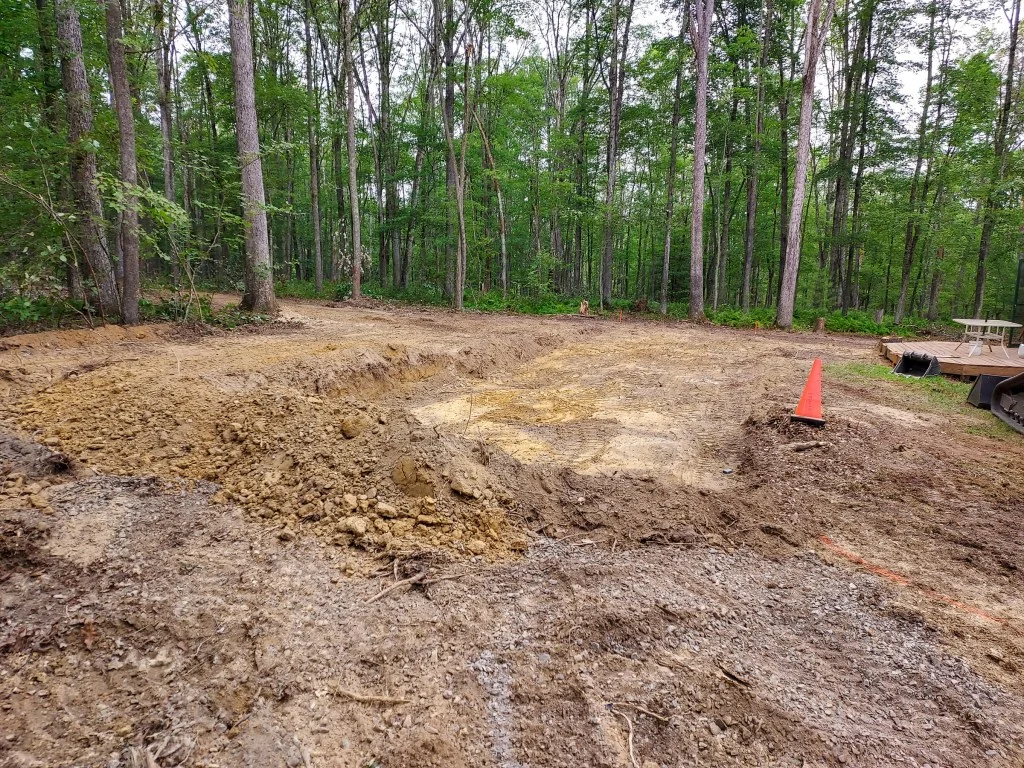
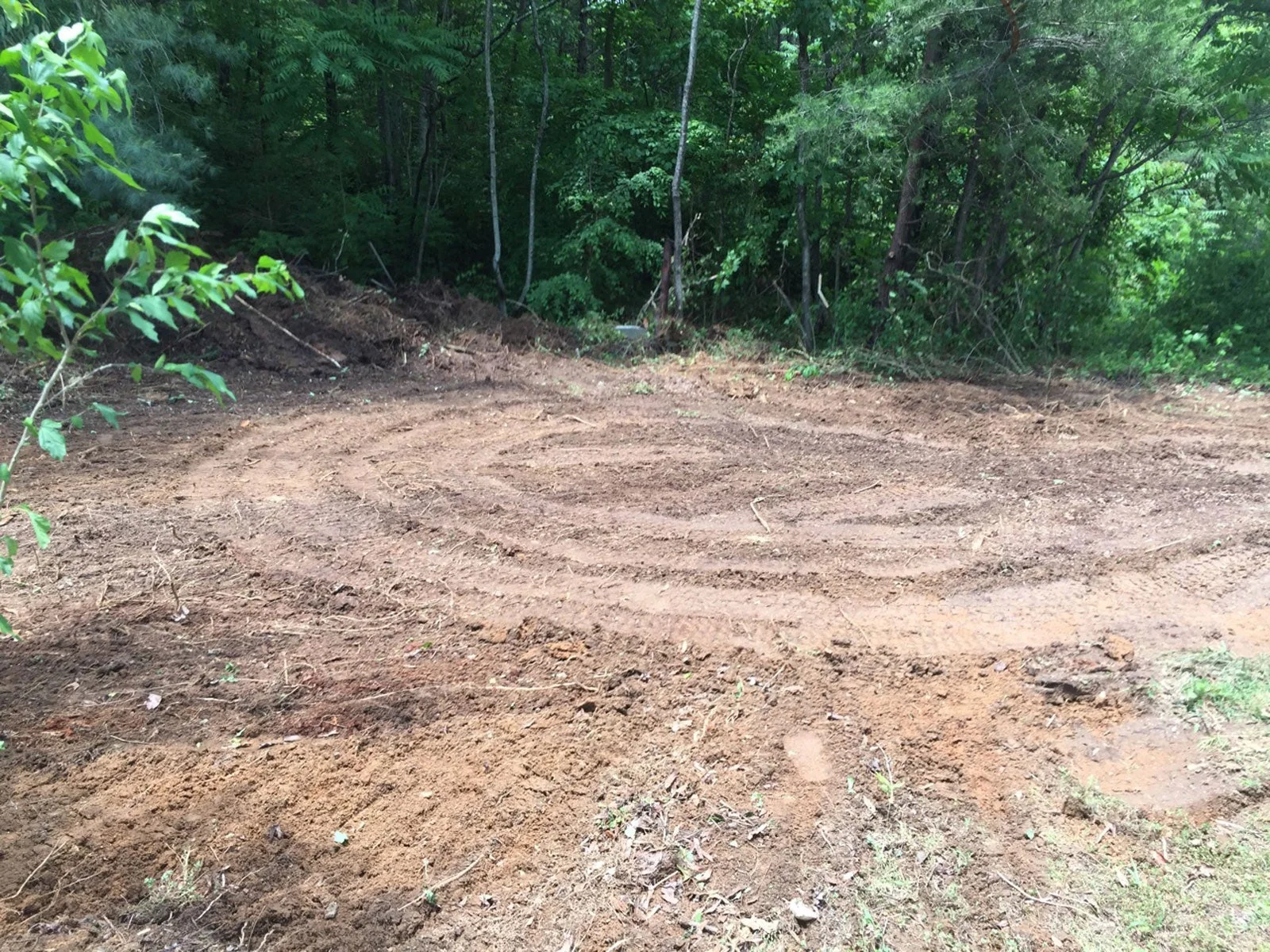
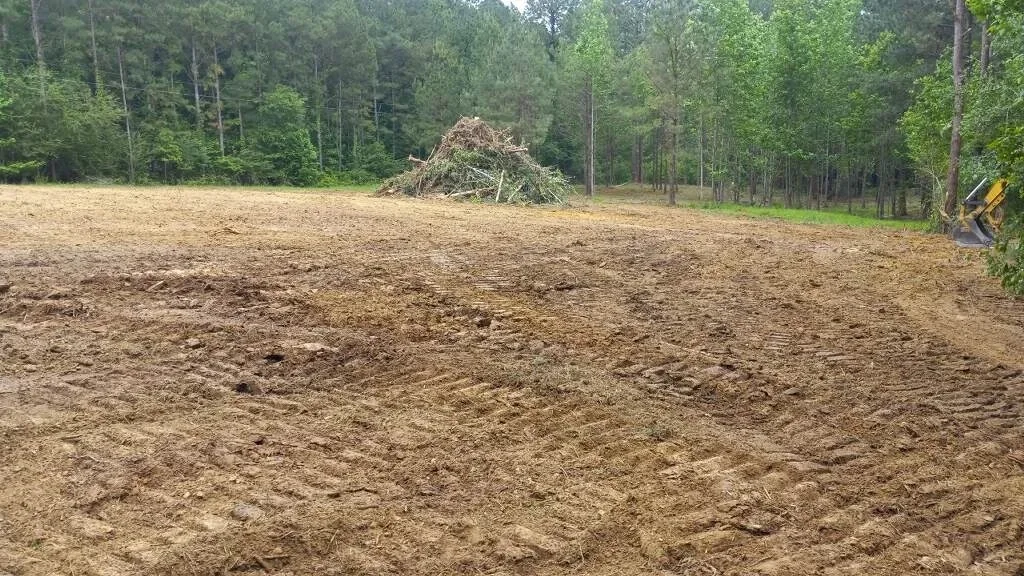
Woodfin sits squeezed between the French Broad River and the timbered slopes rising toward Reynolds Mountain, and that geography sets the order of operations before a single bucket moves. On a riverside lot off Elk Mountain Road, a crew typically marks limits and protects anything staying on Day 1. Days 2–4 are rough cut and fill, moving the bulk of material while ground is still workable. Days 5–7 shift to drainage: swales, downspout extensions, trenching for underdrain. The final days are finish grade, compaction in lifts, and gravel or seeding. Small regrades compress to two or three days; larger cut-and-fill jobs on the slope side of town stretch to three weeks once hauling is counted. Riverside parcels add a wrinkle: high water tables and the French Broad floodplain mean material often can't be moved when saturated, so experienced crews front-load what they can before wet weather. That sequencing matters because once subgrade is disturbed and left, it becomes a mud problem instead of a grading problem.
Driveway cuts follow a different rhythm. On a steep approach above the river, a crew may spend the first day just establishing a stable entry point, then bench the cut in short passes so loose material doesn't run downhill toward the road. Gravel is typically placed in lifts with compaction between each, because a single thick dump on a slope will migrate. A moderate-slope driveway in Woodfin often runs 3–7 days; a flat lot near the river flats might compress to 2–3. The sequence rarely changes, but the clock does.
What moves the price in Buncombe County's river corridor
Woodfin pricing bends around three things: elevation change, haul distance, and how much water the site must shed. A flat lot in the Woodfin flats near the river with decent access is the cheapest grade in the area. A lot climbing toward the ridges above the river carries slope and erosion-control costs that flatland quotes simply don't line item. The full Buncombe County cost breakdown shows the working numbers, but the short version is in the table below. Any bid missing erosion-control or drainage line items on a slope lot should be treated as incomplete, not cheap.
Haul distance is the quiet cost multiplier. When fill has to leave the site, every load adds trucking time, and in Woodfin that often means navigating narrow river-road shoulders or steep private drives. When material can be balanced on site — cut from the high side, fill the low — the same job can drop substantially. Ask your contractor whether the plan balances dirt or exports it, because that single answer often explains a bid gap better than any line item.
Woodfin scope-to-cost table
| Scope of work | Typical range | Timeline |
|---|---|---|
| Regrade around existing house, drainage correction | $1,200–$4,500 | 2–4 days |
| New driveway cut and gravel, moderate slope | $3,500–$7,500 | 3–7 days |
| Building pad cut and fill, mid-size lot | $5,500–$8,000+ | 1–2 weeks |
| Slope stabilization, swales, erosion control on grade lot | $4,000–$8,000 | 1–2 weeks |
| Full lot rough + finish grade with drainage | $6,000–$8,000+ | 2–3 weeks |
Ranges reflect slope, access, and haul distance. River-adjacent lots often land at the lower end of a band; ridge lots at the higher end, before any retaining or engineered drainage is added. If a bid lands far below a band, ask what scope is excluded — erosion control, gravel, and final stabilization are the usual omissions.
Water, code, and why river-town graders think differently
Woodfin's federal disaster history reads like a water story. 19 declared events have touched this county over 1973-2026, and the recurring theme is flood and storm. Grading here isn't just about a level surface; it's about directing water away from a house that may already sit in the French Broad's reach. That's why the North Carolina residential code, administered through the NC Department of Insurance - Office of State Fire Marshal, treats drainage and erosion control as first-class requirements rather than nice-to-haves. Any grading plan that doesn't answer where the uphill neighbor's runoff goes, and where your own downspouts discharge, is a plan that will return as a wet crawl space. The EPA's stormwater guidance is worth skimming if your lot drains toward the river; sediment leaving a job site is regulated, not optional.
Slope lots above the river add another layer. Erosion control on a Woodfin hillside often means silt fence, inlet protection, and a stabilized construction entrance before rough grade even starts — not after. Weather windows matter too: a site left exposed before a forecast rain can lose topsoil, clog a swale, and push the finish grade back days. That's why good crews watch the forecast the way other trades watch delivery schedules.
Questions worth asking before you sign
Three Woodfin-specific checks. First, ask how the crew handles saturated ground: on river-corridor lots, a grader without a wet-weather plan will either rush or stall. Second, ask whether the quote includes erosion control and final stabilization, because Buncombe County enforces that on any job that disturbs ground. Third, ask who pulls any required permits — for grading work tied to a structure, licensing thresholds set by the NC Licensing Board for General Contractors may apply, and a contractor who can't explain that line is one to slow down on. For larger wooded lots where clearing is part of the job, our Woodfin land clearing page covers how clearing and grading sequence together. And if you're scoping the whole project, the grading and excavation guide walks through every phase. When you're ready to talk, use the form on this page and note your timeline.