Black Mountain's one-acre line: where state erosion rules meet your backyard
Most Black Mountain yard jobs never touch the one-acre threshold. A quarter-acre lot in the Flat Creek area, a half-acre lawn below the golf course ridge — under an acre of disturbance, and the job stays local. Cross that line, though, and North Carolina's erosion and sedimentation rules apply on top of everything else: a filed plan, installed measures, inspections, and a paper trail that outlasts the grass. On bigger lots off Highway 9 or a several-acre parcel toward Montreat, this is the single item that divides a $3,000 afternoon of box-blading from a season-long earthwork project.
Why it matters: the permit itself doesn't move dirt. The plan does. Sediment fencing, a stabilized construction entrance, a temporary diversion ditch, and a settlement trap can add real scope in front of the regrading you actually wanted. Contractors bid this as a line item, and the NC Licensing Board looks at jobs this size differently once grading is part of a larger contract. The Buncombe County grading cost table shows how those line items stack.
Here in the Black Mountain area the threshold is easier to cross than newcomers expect. Lots on the older streets off Cherry Street and Vance Avenue are small, but the yards behind them often spill into a shared slope that was never formally divided. When a homeowner regrades the visible lawn and the work disturbs the bank behind it, the acreage adds up fast. On the mountain hamlet's hillside parcels, a single backyard can carry a quarter-acre of slope on its own. Two or three adjoining lots under one owner, and you are suddenly in plan-review territory without ever buying new land.
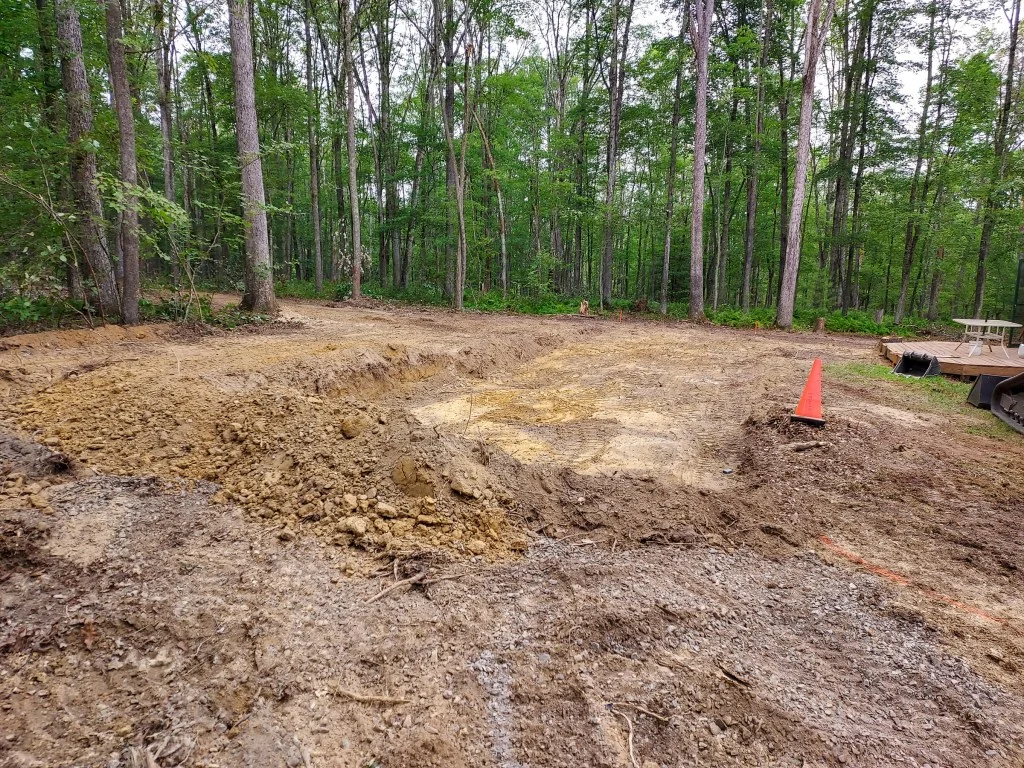
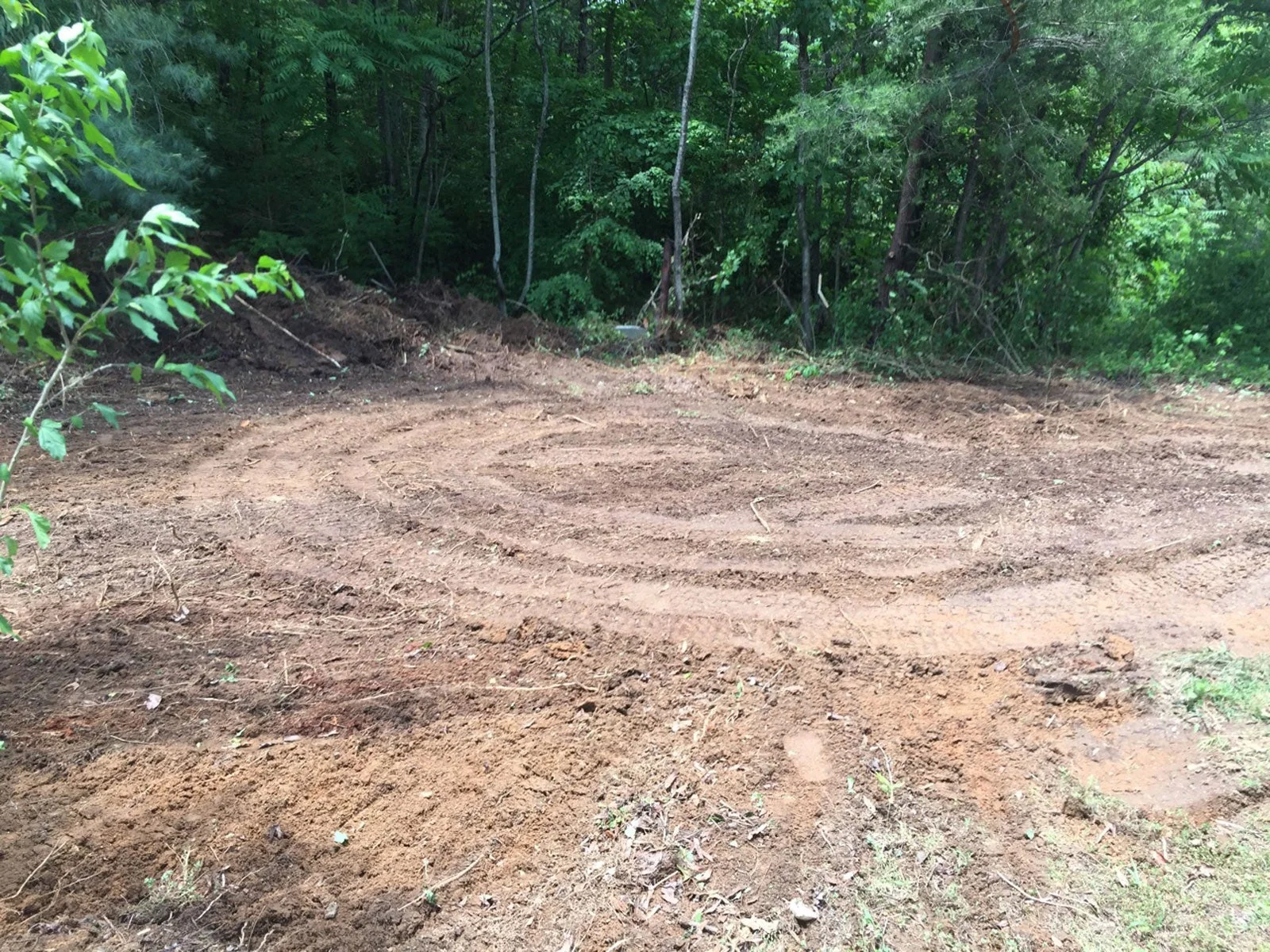
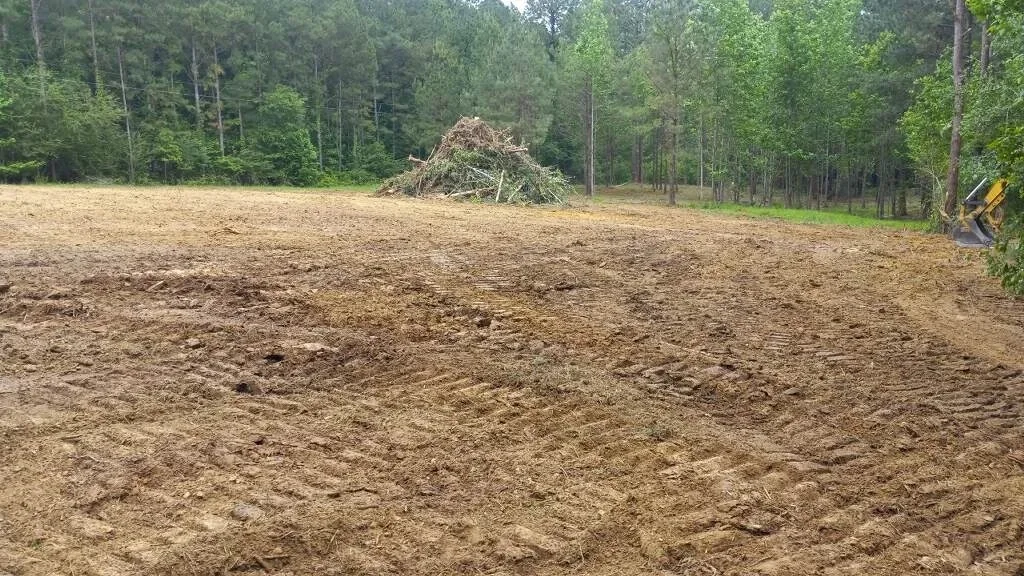
The practical test is simple: how much bare dirt will exist at one time. Mowing, planting, and mulching are not disturbance. Cutting a new grade, stripping sod, or stockpiling fill is. If the answer is anywhere near an acre, get the conversation started early rather than discovering it mid-job, because retrofitting erosion controls after the ground is open is the expensive version of the same work.
The yard conditions that drive cost here, not in a flat county
Three site conditions consistently move a Black Mountain quote up: slope, drainage destination, and what's currently growing. Yards on the mountain hamlet's hillside streets shed water downhill by definition, and pooling at the low corner is usually a grading problem, not a soil problem. Yards with mature trees cost more because the crew works around roots and stumps that shouldn't come out. Yards where the lawn has been compacted by years of parking or heavy shade need amendment before seed or sod, not just smoothing.
When you hear "leveling," ask where the water ends up. A yard that slopes gently away from the house to a daylight drain is done. A yard that levels to a soft spot against the foundation creates the next problem. The International Code Council treats site grading as the first line of foundation drainage for exactly that reason, and every competent local bid accounts for it.
Soil here adds its own wrinkle. Buncombe County yards sit on a mix that runs from rocky clay on the ridge lots to looser alluvium closer to the Swannanoa River bottom. Clay holds water and heaves in a freeze; the loose stuff erodes and pipes. A crew that knows the difference will test a handful before quoting, because the same square footage can take twice the amendment on one street versus another. That is also why locally experienced bidders ask what the yard does after a hard rain rather than just measuring it.
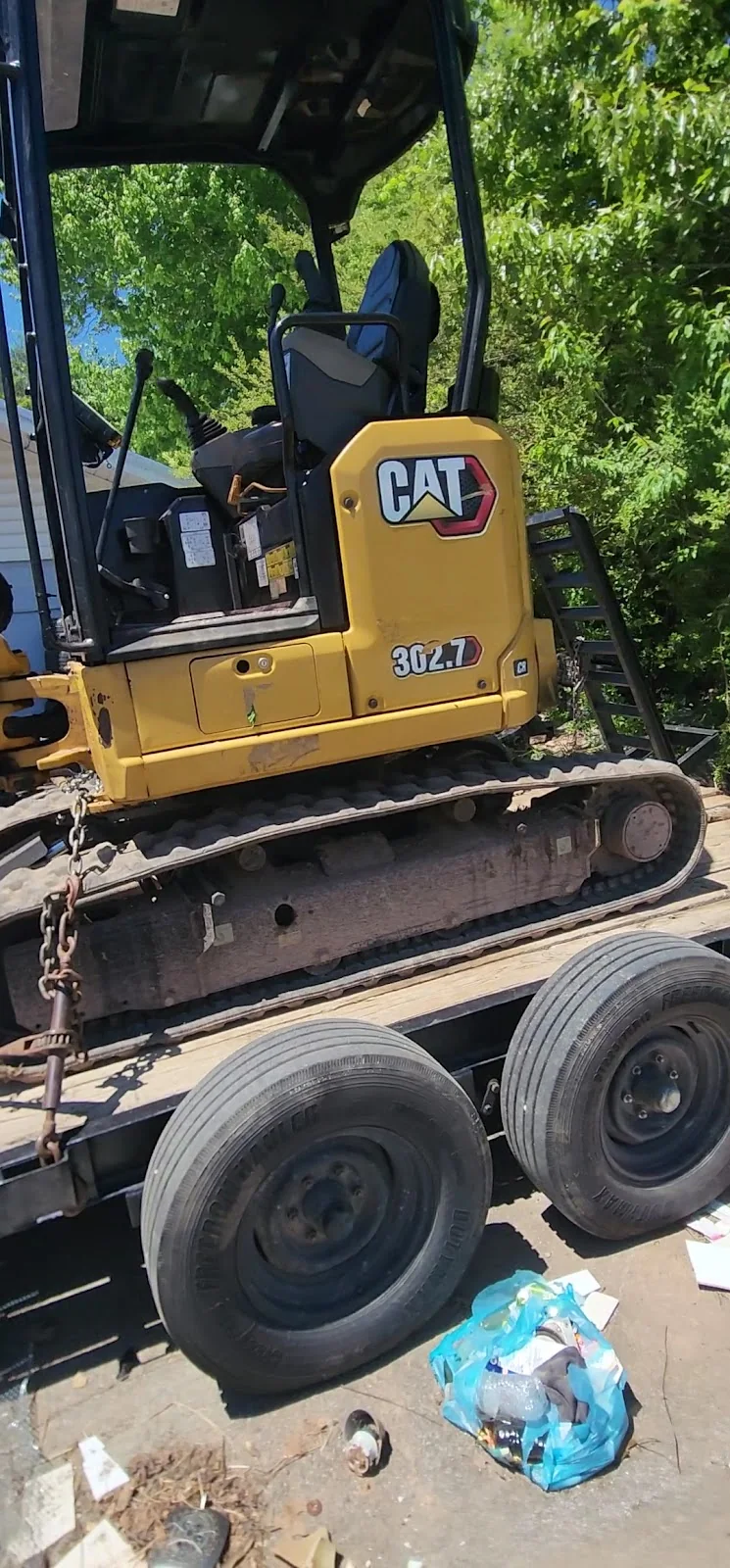
Access is the quiet cost driver. Black Mountain has plenty of homes where the only route to the back yard is a narrow side gate, a shared driveway, or a set of steps. Machines that fit through those slots move less material per hour, and the labor hours climb. A yard reachable by a mini-skid is priced differently from one where every yard of soil moves by wheelbarrow, and any honest bid will tell you which one you have before the first shovel hits dirt.
What the range actually buys
Pricing follows the amount of material moved, access for equipment, and finish level. A small front lawn reshaped by hand tools is not the same job as a half-acre regrade finished in sod.
| Scope | Typical range |
|---|---|
| Hand grading and spot leveling, no new material | $1,800–$2,600 |
| Regrade with fill brought in, small lawn, machine access | $2,500–$4,000 |
| Yard leveling with drainage correction, mid-size lot | $3,500–$6,000 |
| Broad regrade, amended soil, seed or sod finish | $6,000–$8,500 |
| Large disturbed area, engineered drainage, erosion controls | up to $9,500 |
Above that upper line, the job has become earthwork, not yard leveling, and the scope needs a full conversation. The yard leveling service page walks through what's included at each stage.
Two line items surprise Black Mountain homeowners most. The first is haul-off. Fill dirt has to come from somewhere and spoils have to go somewhere, and on a hillside lot both trips cost real money. Importing clean fill and removing the excess is often a bigger number than the grading labor itself. The second is the finish. Seed and straw is the economical choice, but it takes watering and patience through a mountain summer. Sod costs more up front and locks the grade immediately, which matters on a slope where a bare surface is one thunderstorm away from a rutted mess.
Drainage correction sits in the middle of the table because it changes the shape of the bid. Adding a swale, a French drain, or a dry well means the crew is buying pipe, stone, and fabric in addition to moving soil. That is not padding. A regraded yard that still pools at the low corner has not been fixed, and the follow-up visit costs more than doing it once.
Terrain, weather, and why the work is seasonal here
Buncombe County sits in one of the wettest corners of the Southeast, and a declared weather event has a habit of turning a bare graded surface into a liability. Across 1973-2026 of federal records, 19 declared events touch this county — mostly storm and flood. That has two practical effects on your scheduling. First, disturbed soil without cover is exposed soil; if rain is coming, the plan changes. Second, if you're on or near the one-acre line, erosion controls installed before the first big system pass are far cheaper than the cleanup after.
The National Weather Service forecasts don't determine the schedule, but they do determine what happens to a freshly graded yard. Good local crews leave themselves a covered window and don't try to finish seed in front of a stalled front. There's more on sequencing and soil prep in the Black Mountain grading contractor guide.
Frost is the other seasonal gate. Mountain ground can seal up earlier than the valley floor, and working frozen soil produces a grade that moves when it thaws. That pushes most finished work into late spring through early fall, with late-summer seeding giving grass the best run before cold. It also explains why a job quoted in February may be scheduled for April, and why a homeowner who waits until the first warm weekend is competing for the same crews everyone else calls.
Runoff from the surrounding ridges is part of the picture too. Black Mountain creeks and the Swannanoa drainage carry water from higher ground, and a yard at the bottom of a long slope receives more than its own rainfall. Grading that ignores upstream flow just relocates the problem to the next storm. Crews who work this area regularly design for the volume that actually arrives, not just the water that falls on the parcel.
What to have ready before the first walkthrough
A productive first visit takes fifteen minutes, not two hours. Before anyone quotes, know three things: the approximate size of the yard, where you want water to end up, and whether the total disturbed area will stay under one acre. If you don't know the acreage, say so — the contractor measures. If you suspect you're crossing the line, say that too, because the estimate changes form.
Also be honest about access. A yard reachable by a mini-skid is priced differently from one where every yard of soil moves by wheelbarrow through a garden gate. Photos of the yard, taken from a couple of angles, save a trip and speed up the number. And if a previous owner patched the slope, mention it — buried debris and old drainage tile are routine here and worth finding on paper before finding them with a bucket.
Bring a rough budget too. The gap between cosmetic smoothing and a true regrade with drainage is wide, and saying which end you are aiming for keeps the conversation on the right scope. If you are comparing bids, ask each one to state what they are doing about water and what the finish surface will be. Those two answers separate a real quote from a hopeful one, and they are the fastest way to tell which number is actually comparable to which.