How a Marshall excavation actually sequences, hour by hour
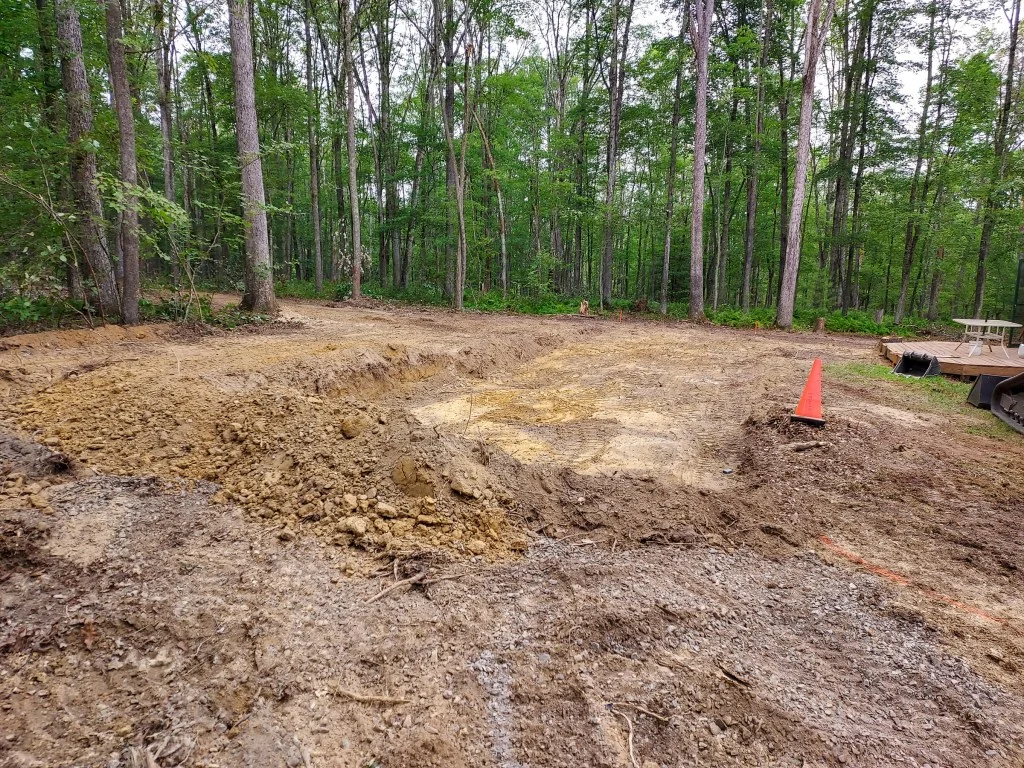
Nobody digs a foundation in one pass, and the order matters more here than it does in flat country. Day one is almost always non-digging: 811 utility locate, staking the footprint with the builder, and deciding where the spoil pile goes, which on a Marshall lot is a real decision rather than an afterthought. On a tight lot off a river road, spoil has nowhere to go but a truck. On a benched hillside lot, it can often stay on site as fill, which saves money and saves the driveway. That call gets made on day one, before the machine ever fires up.
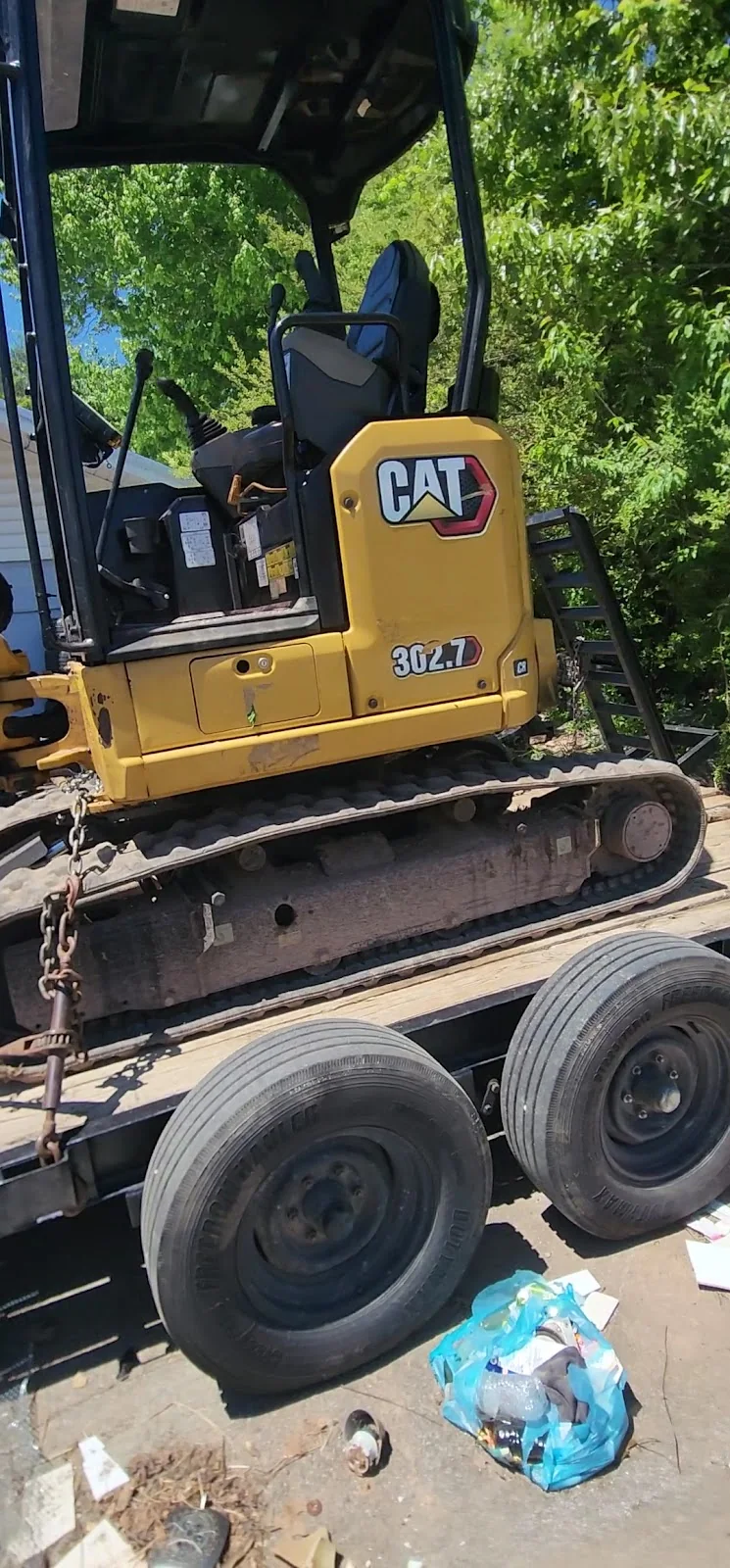
The machine arrives on day two and cuts the overburden, working from the downhill side where the bench exists. Footing trenches get dug after the cut is checked for grade, not before, because digging trenches into an unverified cut means re-digging them. Crews that rush this step are the ones who end up cutting twice.
Days three through five are footing, inspection, and backfill. A simple crawl-space dig on gentle ground can close out in two days. A walk-out basement carved into a slope off Paw Paw Road or in the Shelton Laurel valley runs longer, sometimes much longer, because the machine is working on benched pads it cut for itself and the haul distance for spoil is measured in truckloads, not wheelbarrows. The Shelton Laurel valley in particular is narrow, and a machine working a benched pad near the creek has less room to swing than a machine on an open ridge lot. That geometry alone can add a day. The honest answer to how long is that access decides the schedule, and access is the first thing a crew should look at.
What Madison County ground does to the price
Madison County sits in the French Broad corridor with most buildable land either benched into a slope or sitting on a floodplain shelf near the river. Those two conditions bracket the cost. A gentle bench lot in or around Marshall with drive-up machine access hits the low end of the range. A steep lot where the excavator has to cut its own road in, or where the dig sits below the water table near the river, pushes toward the top.
Consider the difference between two real lot types in this county. A lot off a paved road in the Marshall town limits with a gentle grade and an existing driveway apron is a two-day dig. A lot on a gravel switchback off a county road, where the excavator has to cut its own access bench and the dump truck has to back up the same switchback to haul spoil out, is a four or five day job before anyone touches a footing trench. The ground is not the only variable — the route in is.
Rock is the wildcard: this county has plenty of it, and a footing trench that turns into rock excavation changes the day rate fast. Before any of this starts, confirm who is allowed to contract the work. The NC Licensing Board for General Contractors sets the thresholds where a licensed general contractor is required, and excavation tied to a permitted foundation usually lands inside them. That is a question to answer at bid time, not after the machine is on your lot.
Scope and price ranges for a typical Marshall dig
These are working ranges for residential foundation and footing excavation in this county, not quotes. Depth, access, and what the ground turns out to be move the number within the band.
| Scope | Typical range | What moves it |
|---|---|---|
| Footing trenches only, machine access on grade | $1,200 – $4,500 | Trench length, soil type, whether rock is hit |
| Crawl-space foundation dig, gentle lot | $3,500 – $7,500 | Spoil haul distance, dewatering needs |
| Full basement dig, benched slope | $9,000 – $15,000 | Cut depth, how much bench the machine builds for itself |
| Steep-access or river-shelf dig with haul-off | $13,000 – $18,000 | Truckloads of spoil, temporary road, water management |
If the numbers look high next to a flatland quote, check whether the flatland quote included hauling spoil off site, building an access bench, and dewatering. Those three line items are most of the difference. The full foundation excavation service page covers what a complete scope includes.
Water, weather, and why the schedule is not fixed
Madison County's federal disaster record is dominated by storm and flood events: 21 declared events across 1978-2026. That history is not background trivia; it is the reason a footing trench dug in this county needs a plan for water before it needs a plan for concrete. The National Weather Service issues the flood and flash-flood products that should pause a dig, and a crew that watches them is a crew that will not leave an open trench filling overnight.
Practical sequencing follows from that. Digging in a wet season means dewatering pumps and gravel bedding; digging after a dry stretch means faster trenches and better inspection timing. Neither is wrong. What is wrong is a schedule promised before anyone has seen how the water moves across your lot.
The French Broad river bottom in particular is a different world from the ridges. A lot on the river shelf may need a dewatering pump running continuously during the dig, and the footings may need gravel bedding to stay dry enough for inspection. A lot on a ridge above the valley has the opposite problem: dry, hard ground that excavates cleanly but may hide rock ledges that slow the cut. Neither is better or worse, but they are priced differently and scheduled differently.
Earthwork does not stop at the trench
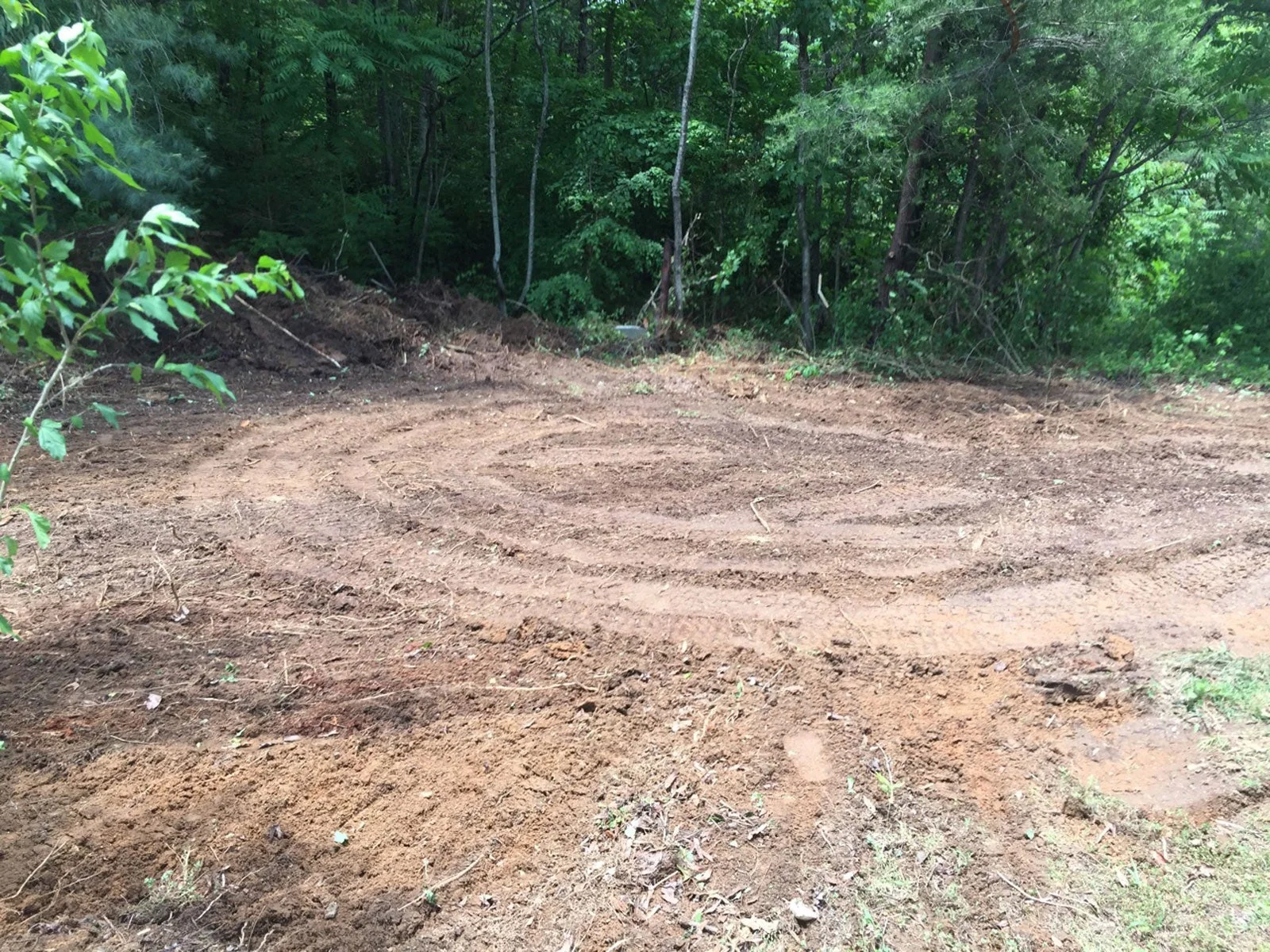
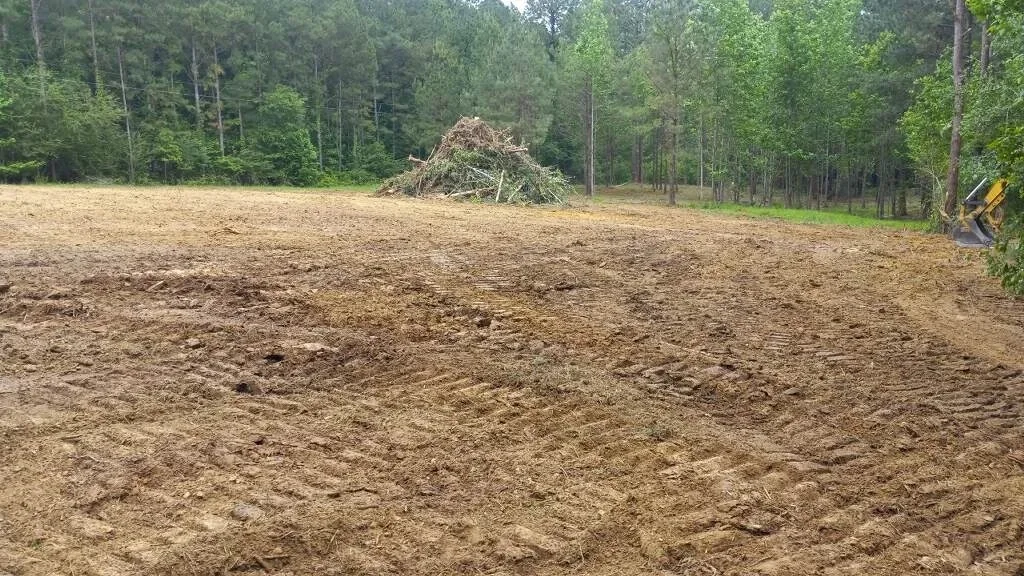
Excavation is one step in a longer earthmoving job, and the crews who do it best are usually the ones who also handle what comes after. Backfill, compaction, and final grade are what keep surface water moving away from the new foundation instead of into it. That final grade work is priced separately and priced locally — see the Madison County grading cost breakdown for what that adds. If you want a crew that can take the job from first cut to rough grade without a handoff, the Marshall grading contractors page covers how to compare them.
One more sequencing note worth money: schedule the erosion control inspection before you backfill, not after. Fixing a silt fence on bare ground costs an afternoon. Fixing it through installed backfill costs the backfill.
Also worth knowing: in Madison County, the county seat is Marshall but the principal town is Woodfin, and work in either place follows the same sequencing logic. The difference is mostly access and crew availability, not the dig itself. A crew coming out from Asheville via I-26 may have a travel window that affects the start time, which is one more reason the first day is often a planning day rather than a digging day.