The one-acre line that governs Weaverville culvert jobs
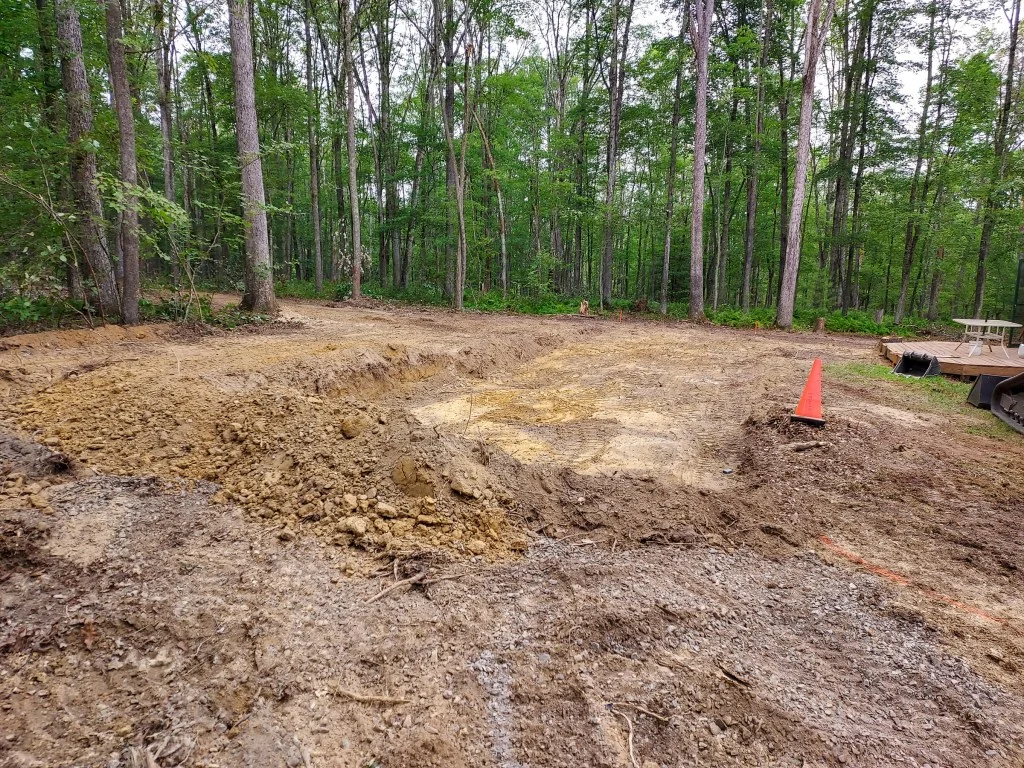
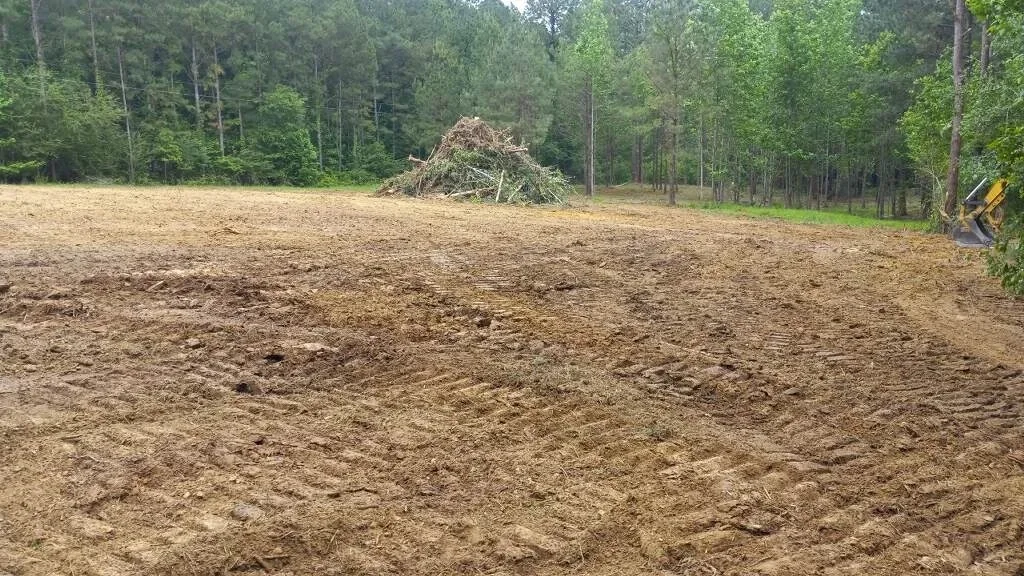
Most Weaverville properties sit on small Reems Creek and Flat Creek valley lots where a driveway crosses a wet-weather ditch and the whole job is a weekend of pipe and gravel. Then there is the other category: the hillside tracts off Reems Creek Road, Ox Creek Road, and the ridges above town, where a new homesite pad, a long driveway, and a culvert together disturb more than one acre of ground. That single threshold changes the permit stack.
In North Carolina, land-disturbing activity over one acre requires coverage under the state's erosion and sedimentation program, and the plan has to be prepared and the site managed to standard. A culvert that looked like a $2,800 driveway fix becomes part of a permitted grading job with a certified plan, inlet and outlet stabilization, and inspection obligations. On the smaller valley lots, the county's own driveway and road-crossing specifications govern pipe size and cover. Either way, the pipe is the cheap part; the rules around it are what the invoice is really about. The culvert and driveway pipe guide covers the pipe itself in detail — this page is about what surrounds it in Weaverville.
What sets the price: pipe, length, and cover
Weaverville terrain gives two very different jobs. On the flat valley floor off Monticello Road, a crossing is short and shallow. On the slopes toward Weaverville's northern ridges, a driveway has to cross a ravine that drops hard, which means longer pipe, deeper bedding, and outlet protection that will not blow out in the first big rain.
The table shows how scope drives cost. Treat any quote below the bottom of a row as a quote that is missing something — usually bedding, end treatment, or the erosion control that makes the pipe last.
| Scope | Typical installed range |
|---|---|
| Short driveway crossing, single 12–15 in. HDPE or corrugated pipe, gravel bedding, flared ends | $1,500–$2,500 |
| Standard driveway culvert, 15–18 in. pipe, 20–40 ft run, riprap at both ends | $2,500–$4,500 |
| Long run or double-pipe crossing, steep sidehill, engineered outlet | $6,000–$9,500 |
| Concrete pipe, long service life, heavier traffic or shoulder loading | Upper end of the band, $6,000–$9,500 |
Undercut bedding, a failed headwall, or rock that has to be hammered out all add days, not just materials. That is why two neighbors on the same creek with the same pipe size can get quotes a thousand dollars apart. The broader pricing picture lives in the Buncombe County grading cost breakdown.
Reading Weaverville's water before you bury a pipe
Weaverville's problem is not drought. It is concentrated rain on steep ground — the creeks that give the town its shape rise fast after a storm, and the federal record bears it out: 19 declared disaster events have touched this county over 1973-2026, overwhelmingly storm and flood family. A culvert sized for a gentle drizzle becomes a blowout when a summer cell drops two inches in an hour on a burned or newly cleared slope above it.
That is why sizing matters more than brand or material. The National Weather Service's rainfall data for the southern Appalachians is the starting point; the NWS records and your county's storm-frequency assumptions set the design storm. Then the pipe has to pass it, and the outlet has to survive it. A pipe that is one size too small does not fail gracefully. It washes out the driveway, the fill, and sometimes the road below.
Permits, licensing, and who signs off
Three layers of rules can touch a Weaverville culvert. First, the driveway connection itself: if the crossing meets a state-maintained road, the North Carolina Department of Transportation controls the pipe size and the connection detail, and the local system for smaller roads has its own specification sheet. Second, erosion control: one acre of disturbance or more brings the state program in, and the plan is a real document that has to be followed, not filed and forgotten.
Third, the contractor. General contracting work past the state's threshold requires a license from the NC Licensing Board for General Contractors, and a grading and culvert crew that stays busy in this county will tell you which tier a job lands in without being pushed. Ask. If a bidder cannot explain which permits apply to your property, that is the answer to a bigger question.
One more practical point: erosion control is not just a permit condition. It is the thing that keeps your new culvert from silting in during its first spring. If the crew installs the pipe and leaves bare, unmanaged ground above and below it, the pipe will be half-full of sediment by the next wet season.
Choosing a Weaverville culvert crew
Weaverville is a small town with a working knowledge of itself — Reems Creek, Flat Creek, the older mill-era streets near downtown, and the newer ridge subdivisions all drain differently. A crew that has only worked flat commercial lots will misread a sidehill crossing the first time. Ask what they did on the last steep crossing they installed and where the outlet went.
Ask, too, how they handle the line between a simple driveway pipe and a permitted grading job. The best crews will tell you when your project is on the one-acre side of the line before you have signed anything, because the permit changes the schedule and the budget. The local specialists listed through Weaverville grading contractors work in this county's terrain daily. And if your project turns out to be bigger than a culvert, the same questions scale — the grading page covers that larger scope.