Why Mills River yards are shaped the way they are
Mills River is Henderson County's working landscape at the doorstep of Asheville — broad bottomland along the river, horse pasture on gentle benches, and pads cut into the rising ground where the valley meets the Blue Ridge escarpment. That combination produces yard problems you rarely see in Asheville proper, where lots are smaller, older, and squeezed onto ridges. Here the trouble is scale: a half-acre run that slopes toward a barn, a turnout that holds water all winter, a new house pad whose fill settled two inches past what the builder planned.
Lot shape matters as much as size. Long narrow strips along the county roads drain to one corner. Wider farm parcels drain to three or four low spots that nobody noticed until the first wet spring. The grade fix is rarely complicated, but it has to follow the water, not just the grass.
The road network tells the story of the dirt. The river corridor runs comparatively flat, and parcels that front it tend to drain slowly because the water table sits high and the soils hold moisture. Move a mile up toward the Blue Ridge foothills — the ground along the roads climbing toward the escarpment — and you hit cut-in pads, retaining edges, and driveways that double as spillways in a hard rain. Two neighbors on the same road can have completely different grade problems, and that is normal here. A leveling crew working Mills River has to read the specific lot, because the county's terrain changes faster than its mailing addresses do.
There is also a practical distinction between the older farm parcels and the newer subdivision lots. Farm parcels were graded for livestock and equipment, not lawns. Their low spots are often intentional — a wet corner that once served as a watering area or a drainage swale — and leveling one without understanding its role can move water somewhere it was never meant to go. Newer lots were rough-graded by a builder to a plan, and their problems are usually settlement, erosion at the pad edge, or a swale that was never properly shaped. Both need the same first step: find out where the water actually goes before touching the grade.
What leveling actually costs here
The working numbers for yard leveling and regrading in Mills River run $1,800 to $9,500, with most jobs sitting between $2,500 and $6,000. The table below shows how scope moves the price. Drainage correction, fill import, and access all push the number; a small flat yard on a paved driveway pulls it down.
| Scope of work | Typical range |
|---|---|
| Small yard touch-up — hand rake, spot fill, seed | $1,800–$2,800 |
| Standard residential regrade — laser level, tilled and graded, seeded | $2,500–$4,500 |
| Larger lot with swales, topsoil import, and grass re-establishment | $4,500–$6,500 |
| Horse lot, drainage correction, or cut-and-fill with compaction | $6,000–$9,500 |
See the Henderson County grading cost page for line-item detail on drainage, hauling, and seed.
Where a job lands inside that band usually comes down to three things: how much dirt has to move, where the fill comes from, and how hard it is to reach the work area. A quarter-acre lawn that just needs a laser pass and a light topsoil blend sits near the bottom. A lot with a long driveway, a fence line, and a low corner that needs an engineered swale and compacted import fill moves toward the middle or top. Hauling is a quiet cost driver — fill that has to be trucked in from off-site adds both material and machine time.
Be cautious with any quote that arrives without someone walking the property. A grade problem visible from the truck is rarely the whole problem, and a price built on a guess tends to grow once the machine starts cutting. The honest version of the process is a site visit, a marked plan for where water will go, and then a number tied to that plan. The yard leveling overview walks through what that scope normally includes.
The water question comes before the dirt question
Almost every call we get about a low or soggy Mills River yard is really a call about where the water goes. The federal record backs that up: 16 declared events have touched Henderson County across 1978-2026, and the pattern is overwhelmingly storm and flood-family. That history set the expectations — yards here need to shed water, not just look flat.
Before anyone brings equipment, the sequence is:
1. Walk the lot and find the actual low points and the uphill source.
2. Decide whether the fix is regrading, a swale, a French drain, or a combination.
3. Only then price the dirt work.
The National Weather Service and the residential code both treat site drainage as a structural issue, not a cosmetic one. Get it wrong and every spring rain resets your yard. Get it right and the grade holds for years.
River-bottom lots in the Mills River valley deserve special mention. They dry out late in the spring and get soft early in the fall, and a grade that looks perfect in July can turn into a rutted mess by March. On those parcels the fix is usually less about raising the whole yard and more about carving a clear path for surface water to leave the property. Sometimes that means a shallow swale along a fence line. Sometimes it means a gravel apron at a gate or a driveway transition where water currently ponds. Occasionally it means rethinking where a downspout discharges. None of those are large projects, but skipping them means the regrade gets undone by the next wet season.
On the slope side of the county, the opposite problem shows up: water moving too fast. A steep cut-in pad can shed runoff across a lawn and into a neighbor's yard or a foundation. There the grade work is about slowing water down, spreading it, and giving it an exit. That is a different plan than a flat-lot drainage fix, and it is a common reason two similar-looking yards get very different quotes. The EPA frames this as managing stormwater at the source, which is exactly what a well-designed yard grade does.
Hiring in this corner of Henderson County
Ask three things before you sign. First, does the crew run a laser level or a transit, or are they eyeballing it? Eyeballed grades fail on long lots. Second, where is the fill coming from, and is it clean topsoil or clay subsoil that won't grow grass? Third, how do they plan to get equipment onto a lot with a narrow driveway or a fence line — access problems add cost and change the plan.
Larger grading projects that cross the state's threshold for general contracting need a licensed GC under NC Licensing Board for General Contractors rules. For yard-scale leveling you'll often work with a grading contractor instead, and the same care applies. The Mills River grading contractor page covers what a good first visit looks like.
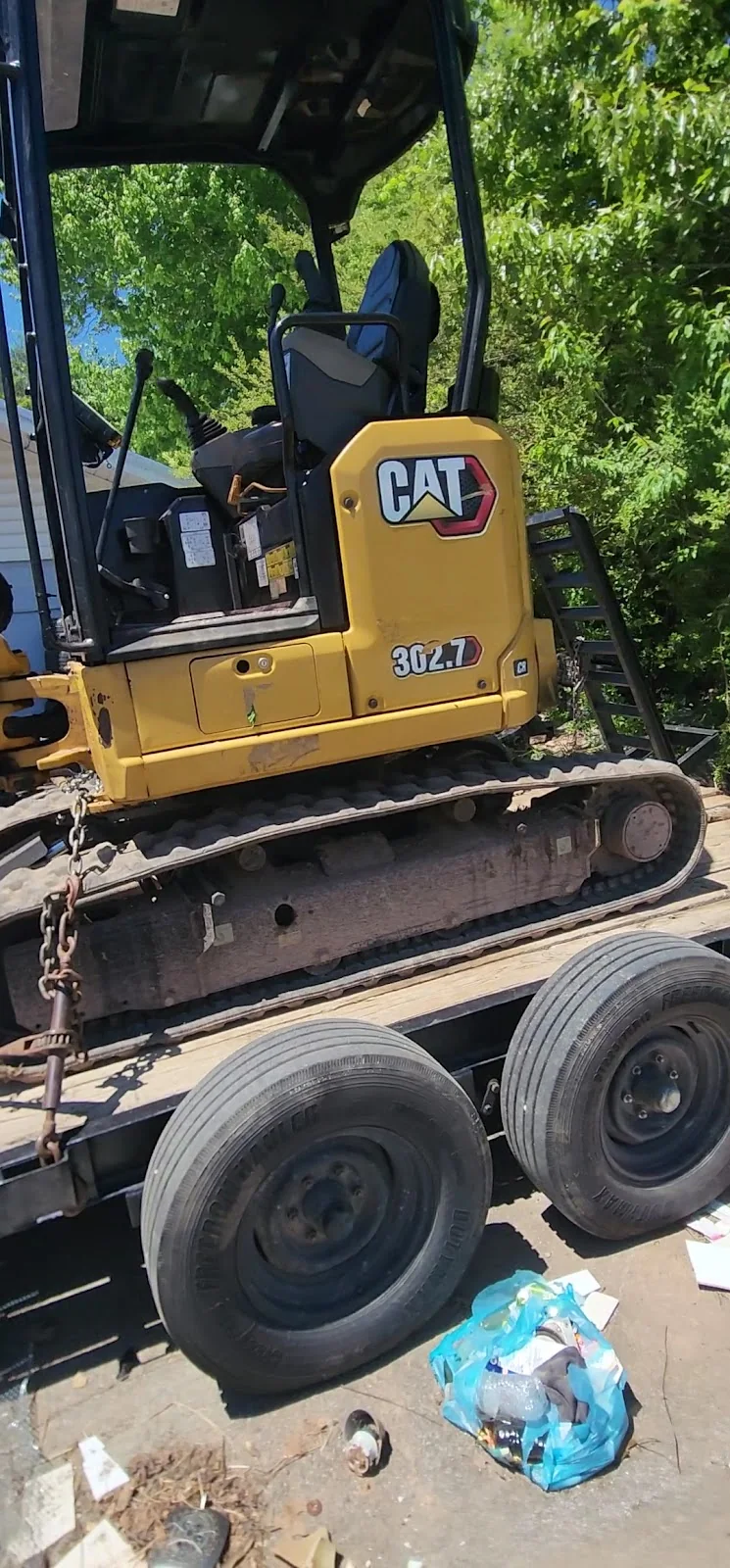
A few other questions are worth asking while the contractor is standing in your yard. Will the work be done with a compact track loader or a full-size machine, and can that machine fit through the gate or across the lawn without tearing it up? How will the crew protect existing landscaping, septic lines, and well heads? On horse properties the creek bottoms and turnouts often sit near fence lines and water sources, and grading near a well or a septic field requires knowing where those systems actually run before the bucket hits dirt. If you are not sure where your lines are, that is a conversation to have before the quote, not after.
Timing also matters in Mills River. Late spring and early fall are the good windows for grading and seeding here — the ground is workable and grass has a chance to establish before the heat or the first frost. Midsummer grading on a dry lot can be fine for dirt work but tough on seed, and winter work often means bare ground sitting until spring. A contractor who talks about timing is usually a contractor who has done this in this county more than once.
What a leveled, graded Mills River yard should do when we're done
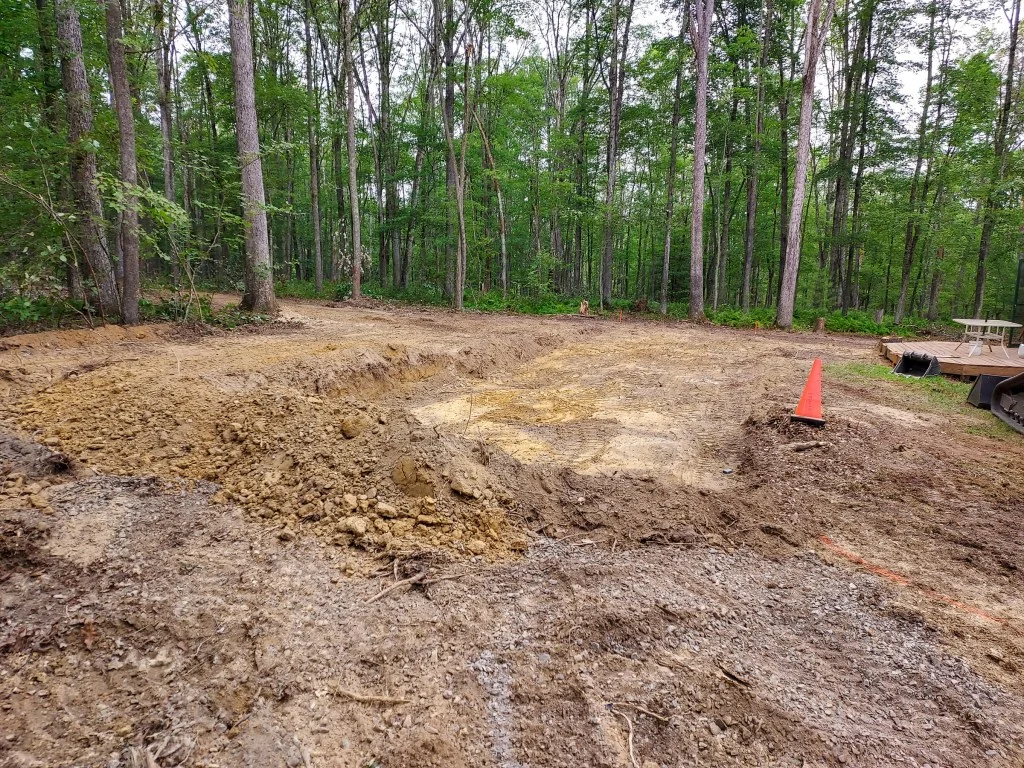
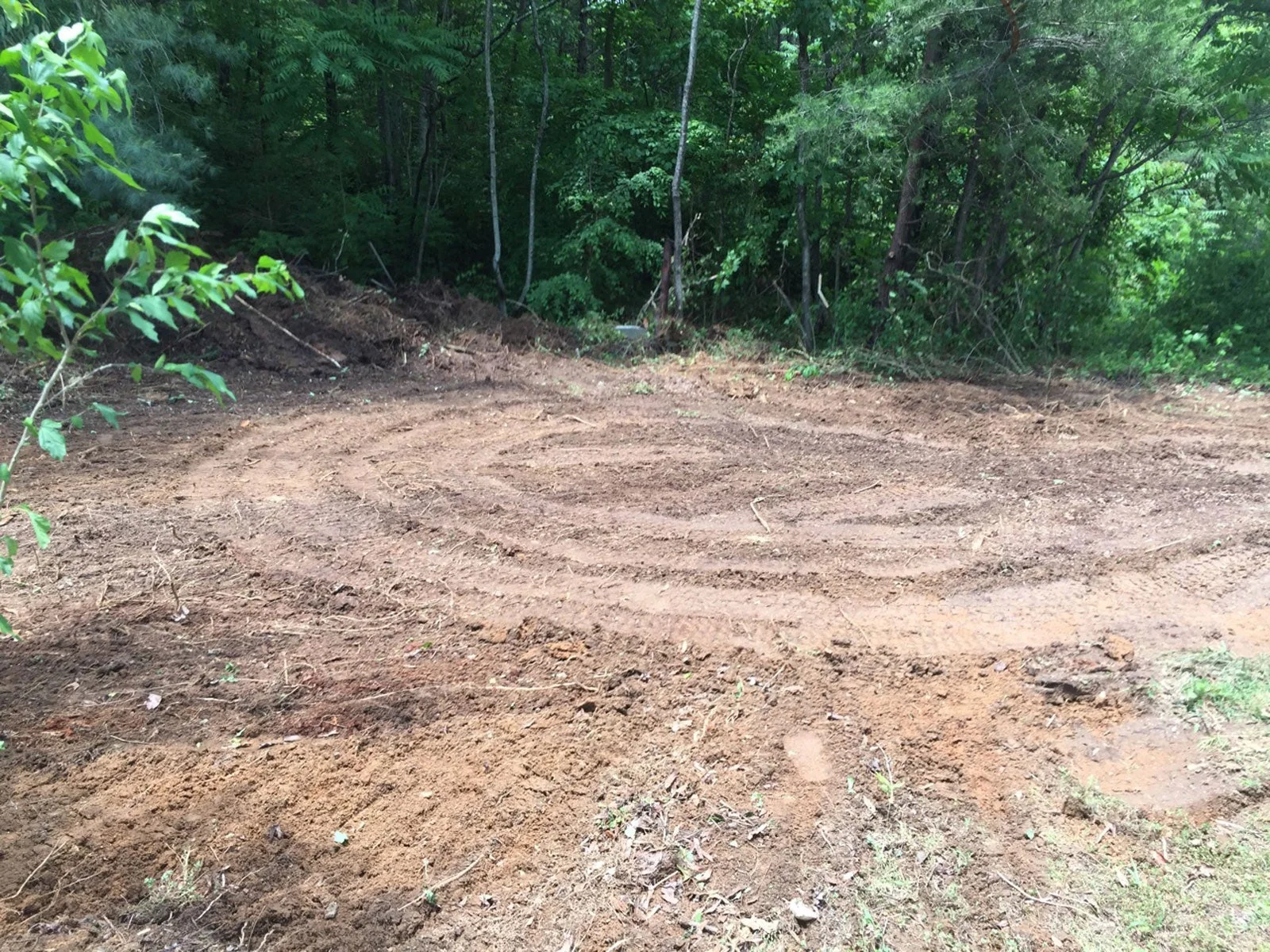
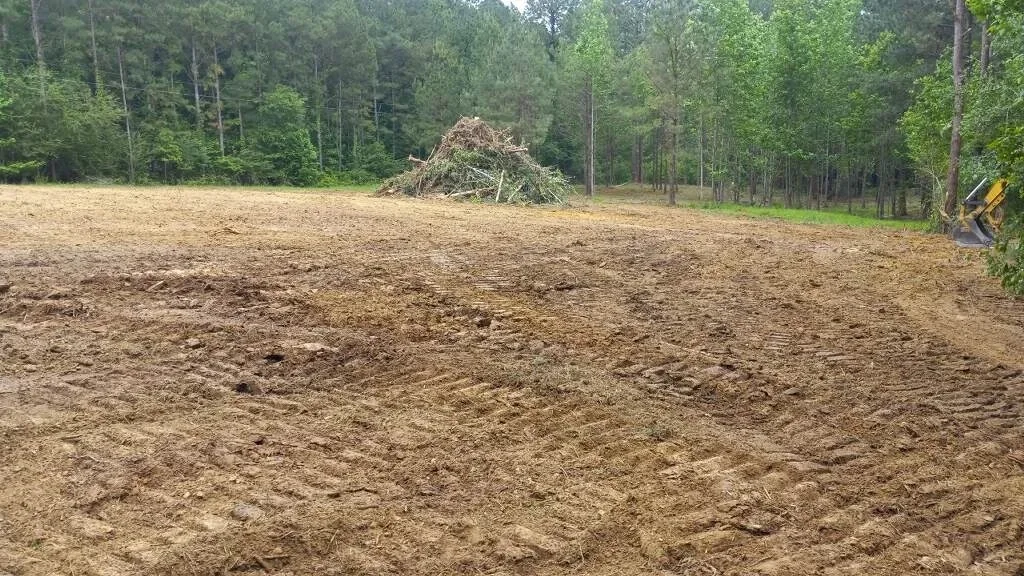
The finished yard should drain away from the house and any outbuildings, hold its grade through a hard rain, and let grass take without a fight. If the lot is sloped, the grade should direct water to a defined low point or swale, not a random puddle. If the lot was backfilled, the fill should be compacted in lifts, not dumped and raked.
Compaction is the detail homeowners rarely ask about and the one that most often causes a do-over. Fill that goes in loose will settle, and a yard that was flat in April can show dips by fall. Proper lifts — thin layers, each compacted — take more time and a bit more cost, but they are what makes a grade last. The same principle applies to driveway transitions, gravel pads, and any area where a building edge meets reworked ground. This is also where the International Code Council standards on site grading and drainage become relevant: the goal is positive drainage away from structures, not merely a visually smooth surface.
For horse properties, the turnout and pad come first — mud management and footing follow the grade. A turnout that drains well stays usable through the wet season, which is worth more than any amount of surface gravel spread over a bad grade. The yard leveling overview covers the full scope, and if your drainage issue runs into a foundation or crawl space, that's a different conversation worth its own inspection.
Finally, a good finish includes a plan for the grass. Seed choice and timing, straw or matting on slopes, and a clear instruction not to mow or disturb the fresh grade for a few weeks all matter. A leveled yard is only finished when it holds, and holding is as much about how the surface is planted as how the dirt was moved.