Why Fletcher lots punish culvert installs
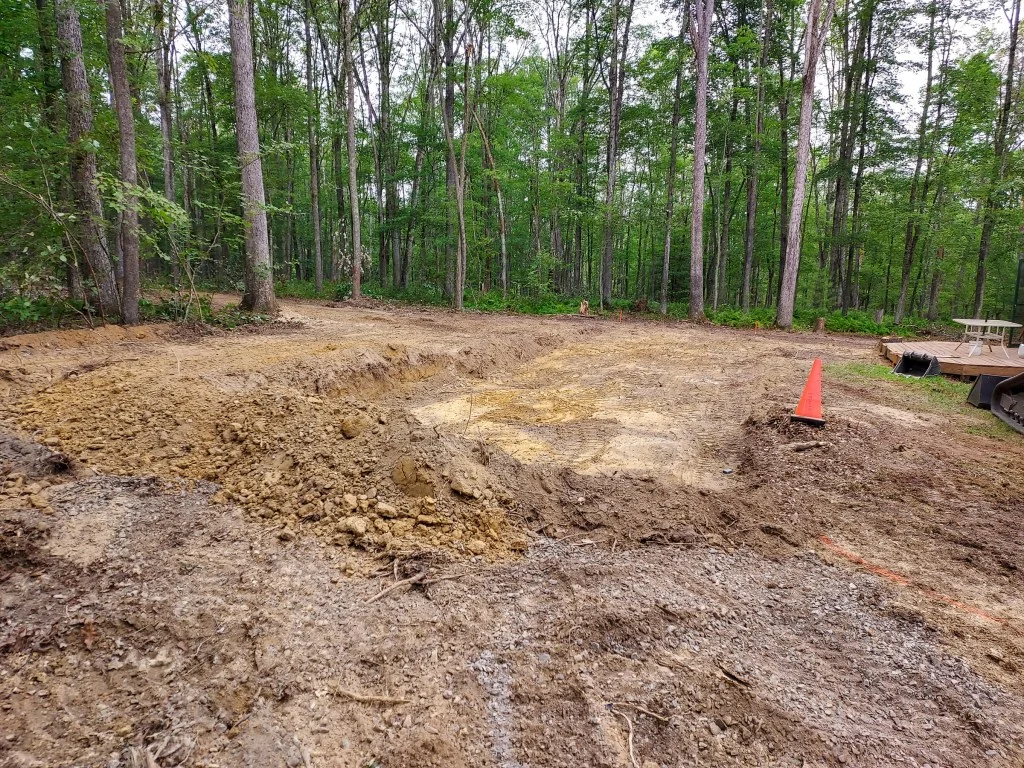
Fletcher sits in Henderson County on ground that was largely farm and orchard before it was subdivisions. That history matters: many lots here carry old fill, and the native soil underneath is red clay that swells when wet and shrinks when dry. Clay doesn't drain. Push a culvert through it without a proper bed and outlet, and the pipe holds water, the clay holds water around it, and the first hard storm tells you so. The tell is usually a soft spot in the driveway after a rain, or a puddle that sits for two days at the outlet. On lots off Howard Gap Road and the older stretches near the airport, we often find a compacted top layer over loose fill from the original grading, and that loose layer is where a trench wall caves in overnight.
The second variable is rock. Portions of this side of the county have shallow bedrock close to grade, which can be a gift or a tax depending on where it sits. If your ditch line hits rock, trenching slows down, bedding changes, and the excavation line item grows. If the rock is already a natural channel, you may need less trench than expected, but you still need the invert set correctly. Same town, two very different piles of dirt. On the flat ground toward the French Broad bottoms, the problem flips: the water table sits high, and a culvert trench can fill with groundwater before the pipe is even bedded.
If you want to understand how the pieces fit before anyone quotes you, the culvert and driveway pipe guide walks through pipe types and sizing.
What the pipe and trench actually cost
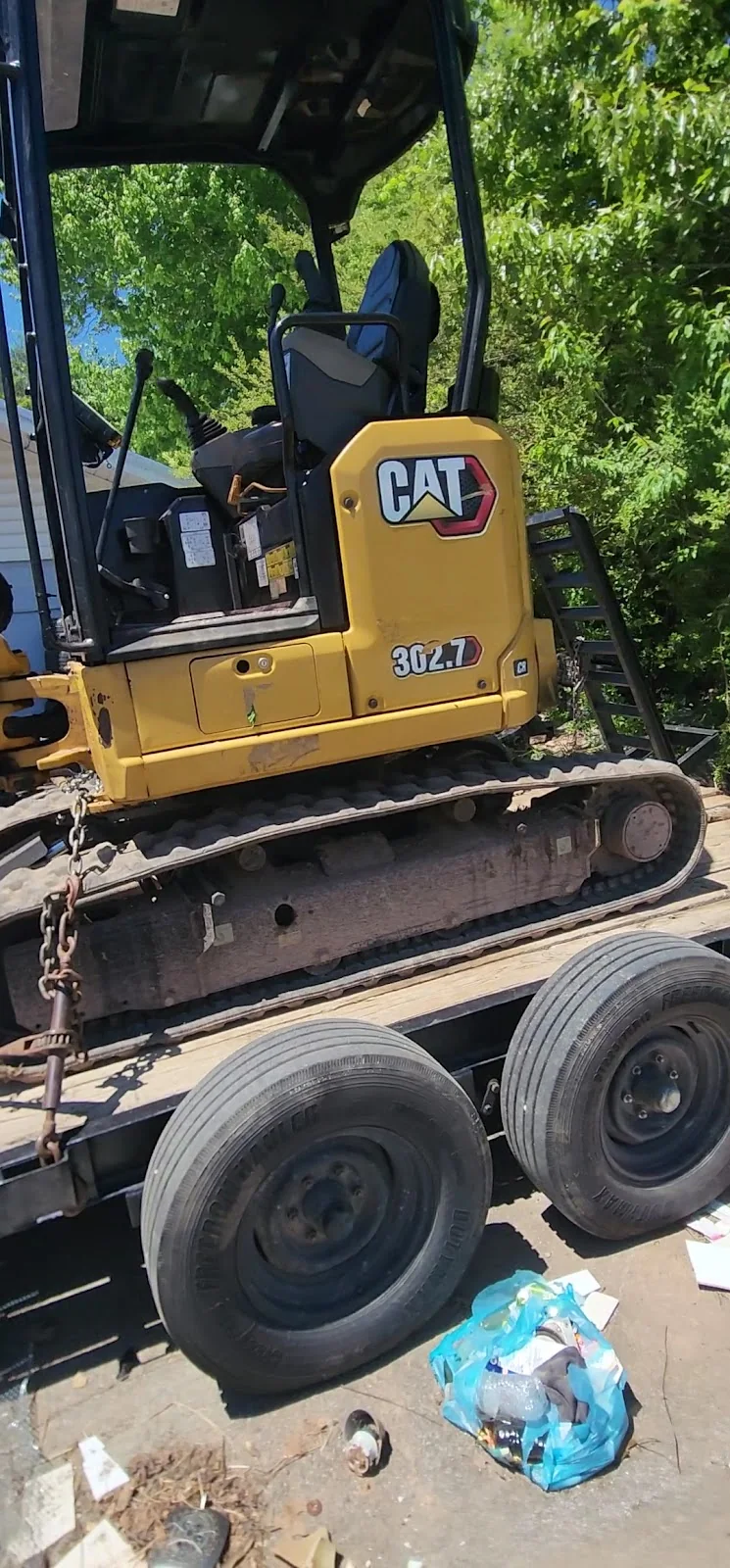
The pipe is rarely the expensive part. Corrugated HDPE is cheap per foot; the labor is in digging the trench, bedding the pipe, shaping the outlet, and armoring the parts that will erode. On Fletcher clay lots with any rock, expect that labor to dominate the bid. A short driveway culvert under a gravel drive may be almost all machine time; add a long run under a paved drive and now you're cutting asphalt, hauling spoils, and rebuilding base, which is a different job entirely.
| Scope | Typical installed range |
|---|---|
| Standard single driveway culvert, HDPE, short run | $1,500 – $4,500 |
| Longer run, dual pipe, or concrete pipe | $6,000 – $9,500 |
| Rock trenching, added bedding, or extensive outlet protection | Pushes the job toward the top of the applicable band |
Concrete or long-run jobs price higher for real reasons: heavier pipe, more equipment time, and often an engineered sizing requirement. The county-level picture for the surrounding dirt work lives in the Henderson County grading cost breakdown. One thing that surprises homeowners: a culvert replacement is often cheaper than a new install, because the trench line and outlet already exist. If the old pipe failed because it was undersized, though, reuse gets you the same flood again.
Where the water is allowed to go
A culvert is a legal question as much as an excavation one. Discharging concentrated stormwater onto a neighbor's property or into a stream is regulated, and the rules get stricter once the pipe approaches a waterway. The EPA maintains the stormwater and discharge framework that state and local rules build on, and creek-adjacent lots in this county are exactly the parcels where that framework applies.
So before a crew quotes you a pipe, they should be answering: where does the outflow land, is there an easement, and does the roadside ditch have capacity for what you're adding. A culvert that fixes your driveway and floods the road shoulder gets reopened by the county at your expense. The International Code Council publishes the model codes that most local stormwater and drainage provisions trace back to, if you want to see how outlet and grading requirements are structured.
Fletcher has one more wrinkle: several neighborhoods drain to shared swales and roadside ditches that were sized when the subdivision was built. When one homeowner adds pipe or fill, the water moves faster to the next lot. That's why a good installer asks about the lots below you before picking a pipe size. If your outlet dumps onto a slope, riprap or a stilling basin is not optional decoration; it's the difference between a working culvert and a gully that works its way back to the pipe.
Reading the ground before you dig
Two honest questions separate a good Fletcher culvert bid from a bad one. First: how did they handle the soil? A clay-lot install needs bedding and a stable outlet; a rock-lot install needs different equipment and a different trench. Second: how did they size the pipe? Pipe diameter follows drainage area and slope, not the size of the pipe already in your driveway. Crews that measure and slope the pipe get better results than crews that match what's there.
Storms are the context here. Federal disaster records show 16 declared events touching this county across 1978-2026, and the pattern is overwhelmingly water. The National Weather Service tracks the rainfall that drives those events, and every one of them stressed culverts and ditches on this terrain. A culvert isn't a decoration; it's the piece that decides whether a storm moves through your property or through your driveway. When you're ready to talk scope, the local crew roster is on the Fletcher grading contractors page.
Timing advice worth saying out loud: late summer and fall, after the ground dries, is when clay trenches hold up best. Dig in a wet February and you're fighting sloughing walls and a muddy outlet all day. If your culvert is failing during storms, though, waiting isn't really an option, and a temporary diversion may be worth discussing with whoever you hire.
Permits and licensing, plainly
Work in a county road right-of-way typically needs approval before excavation, and crossing a driveway across a public road is the classic case. For the work itself, North Carolina requires a general contractor license once a job crosses the state's cost threshold, and the NC Licensing Board for General Contractors publishes those limits. Any residential project receiving federal assistance can also carry HUD requirements, which matters for storm-damage repairs. If a quoted job is large, ask who is licensed and who pulls the permit. A straight answer is a good sign; a dodge is not.
Practically, that means a driveway culvert inside your own lot is usually a private matter, while anything touching the shoulder of a state-maintained road runs through a different approval path. Ask the crew whether the work touches the right-of-way before you sign anything. The culvert and driveway pipe guide covers this distinction in more detail.