The one-acre line, and why it decides your permit path
Biltmore Forest is a small incorporated town inside Buncombe County where the one-acre minimum lot is the rule, not the exception — and that single fact changes how excavation gets permitted. State rules for land-disturbing activity exempt small residential lots below a set acreage threshold, but large-lot and estate-scale projects that move the same amount of dirt by re-grading a driveway, a foundation pad, and drainage in one pass can cross into a state erosion-and-sedimentation permit. In practice that means the excavation company has to produce a sediment and erosion control plan, install and maintain the measures, and schedule inspections before the footing pour can happen on some properties. The work itself does not change much. The paperwork, sequencing, and inspection waiting time do, and that is the line item flat-rate excavation quotes miss.
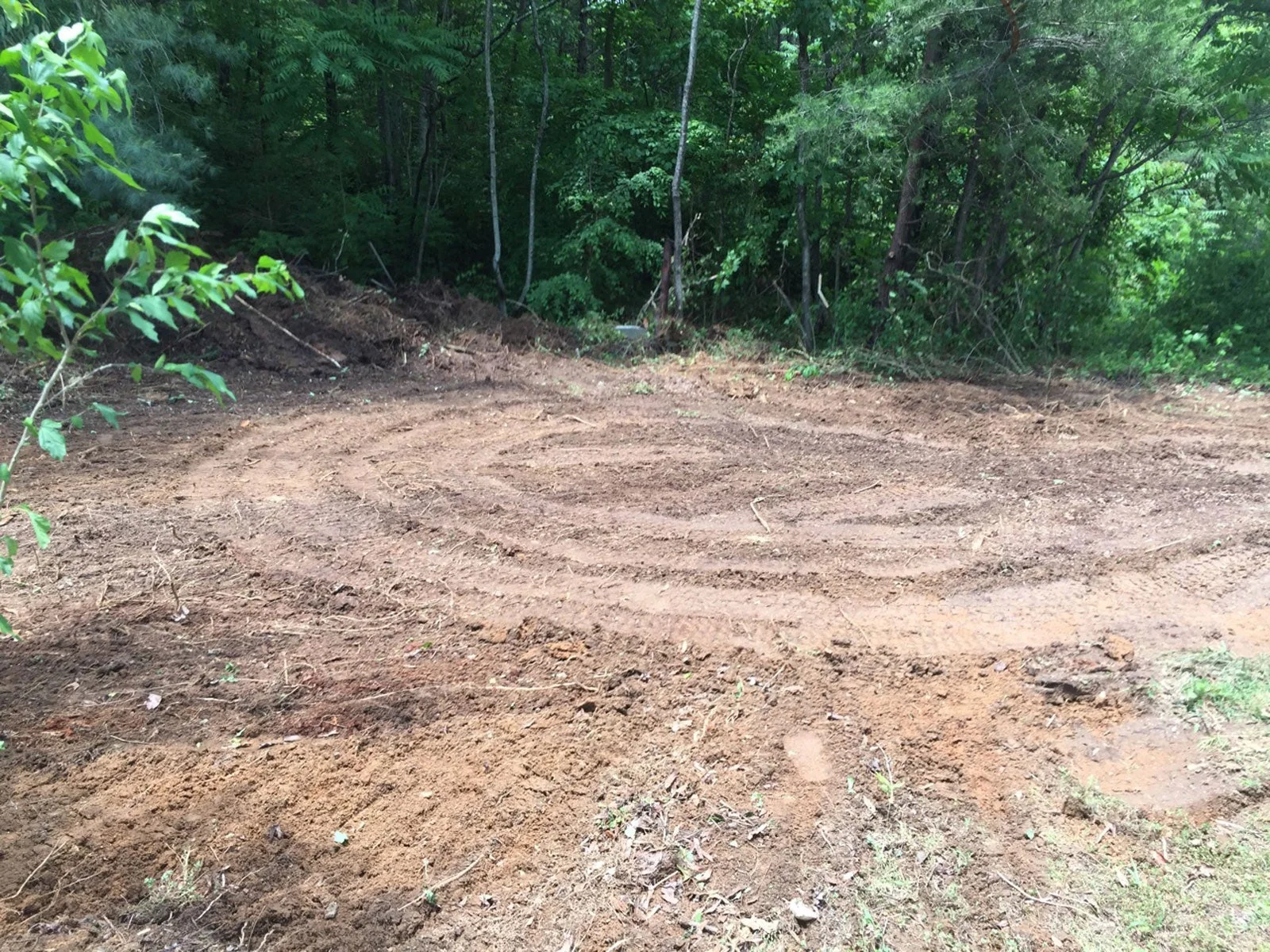
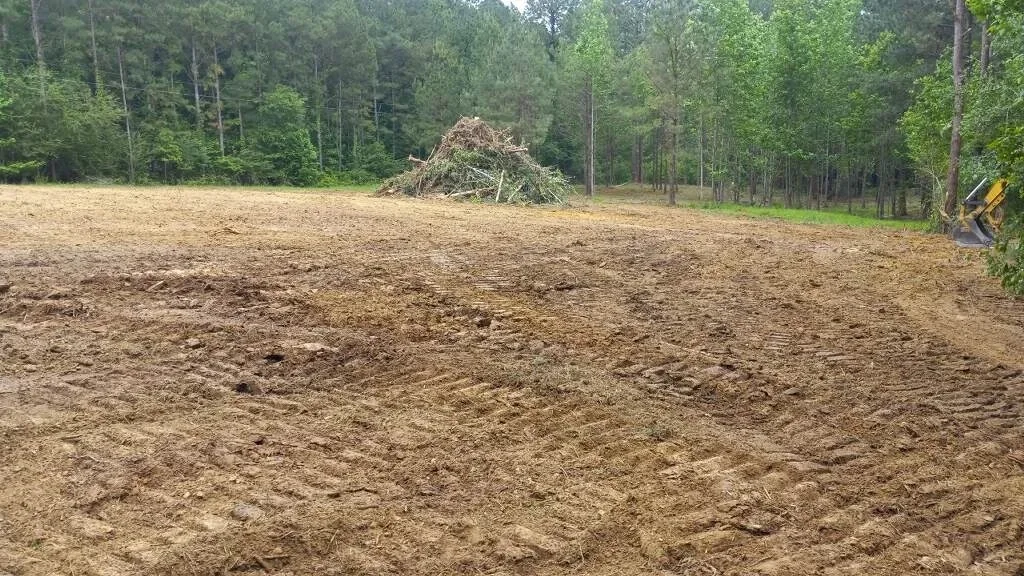
You can verify the current thresholds and construction rules through the International Code Council code families and confirm which local program has jurisdiction before you sign anything. Biltmore Forest parcels that back onto steep, wooded ground near the estate core are the ones that most often trip this. If your lot has already been cleared and stumped and the footprint is small, you are usually on the simpler path.
What excavation actually costs in this town
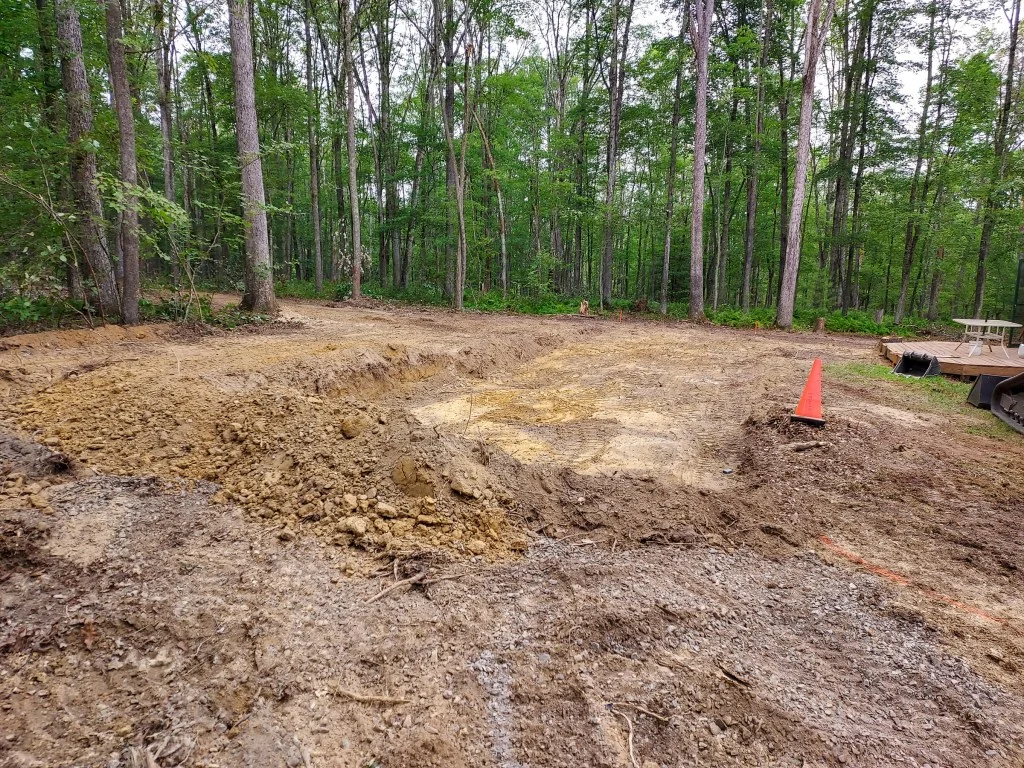
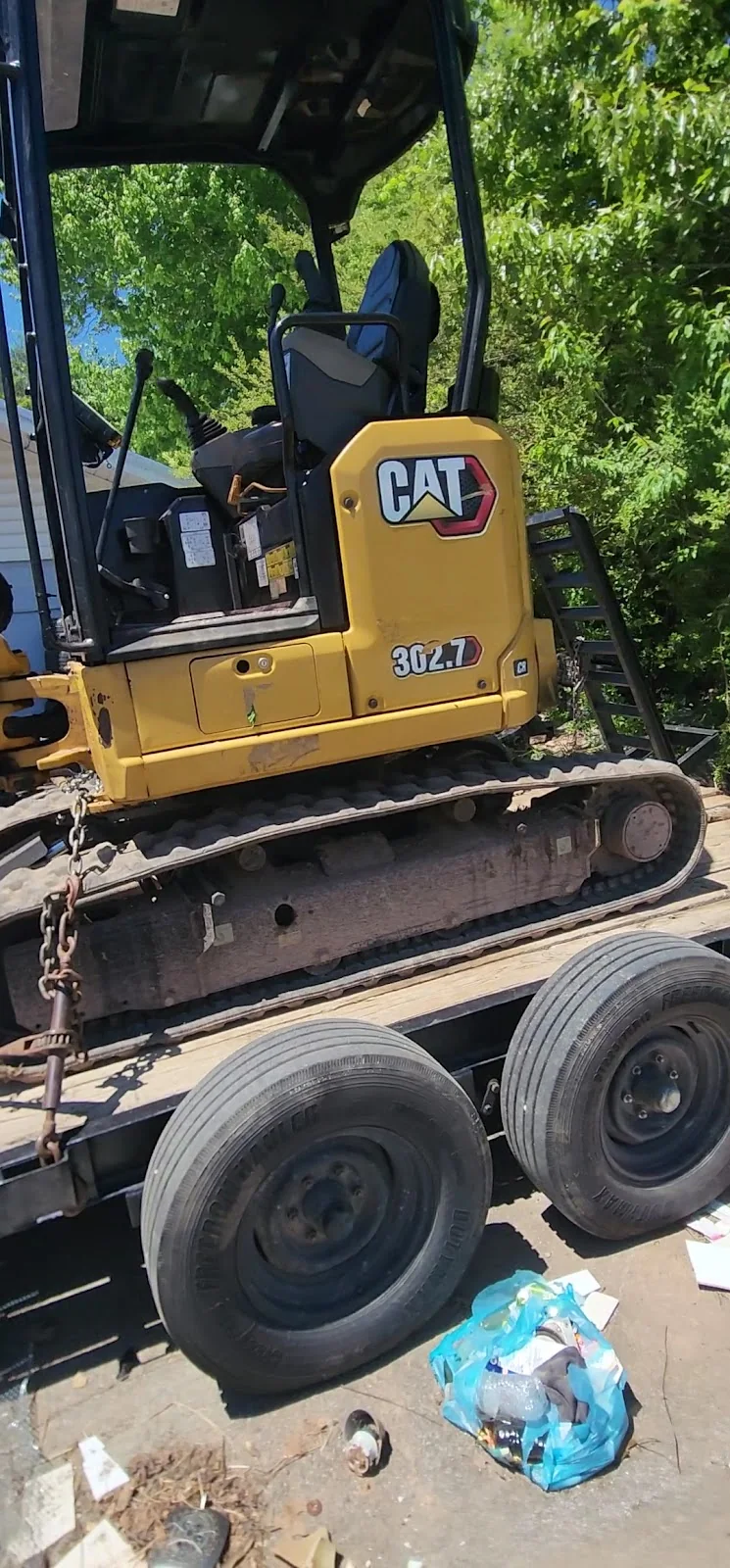
Access is the biggest driver here, not square footage. Biltmore Forest lots are frequently set back behind mature hardwoods, with narrow driveways, low canopy, and gate or septic-field constraints. A machine that reaches the footer line in one afternoon on a flat open lot can take three days when the only approach is a long single-lane drive that has to be protected. The Buncombe County grading cost table gives the countywide baseline; this table narrows it for town conditions.
| Scope | Typical range | What moves it |
|---|---|---|
| Footing trench only (low-access, shallow) | $1,200–$2,500 | Trench length, hand work near existing structures |
| Footing excavation, standard depth and dig | $1,200–$4,500 | Depth to bearing soil, rock, spoil removal route |
| Full foundation excavation, good access | $3,500–$9,000 | Footprint size, spoil haul-off, backfill prep |
| Full excavation, tight or sloped access | $9,000–$15,000 | Machine size limits, retaining, extra haul distance |
| Estate-scale cut with drainage and re-grade | $12,000–$18,000 | Disturbance acreage, erosion controls, engineered design |
Anything quoted below the low end deserves a second look at what got left out — usually haul-off, backfill, or the erosion controls the state will require on a larger disturbed area. The full foundation excavation service overview walks through what each phase includes.
Reading this ground before you dig
The town sits on rolling ground at the edge of the Asheville basin, where shallow topsoil gives way quickly to clay and weathered rock. Two things follow. First, footing depth is not a number you assume — it is verified at the trench, and a probe or test pit is the cheap way to find out whether you are pouring on competent material or over-excavating and importing structural fill. Second, water behavior matters: the same clay that holds a trench wall also sheds stormwater toward the lowest corner of a sloped lot, and an open footing trench that fills with a summer storm is a delay and a re-dig.
That is why the grading and drainage decisions get made before the machine arrives, not after. The Biltmore Forest grading contractors page covers how finish grade, swales, and downspout routing are set so the excavation you pay for is not undermined the first wet season. The National Weather Service outlook for the region is a useful scheduling tool for that reason, and we time pours around it rather than against it.
License thresholds and who should be on the job
In North Carolina, general contracting and certain specialty work fall under state licensing once a project crosses statutory cost thresholds, and excavation tied to structural footings generally belongs under a licensed general contractor's scope rather than a bare machine operator's. The state board's rules are at NC Licensing Board for General Contractors. Separate from licensing, any project disturbing enough ground to require a state erosion permit needs a qualified plan preparer and a certified installer for the control measures, and the responsible party signs off on maintenance until the site is stabilized.
What to ask before hiring: who holds the permit if one is required, who inspects the erosion controls after each rain, and whether haul-off and backfill are inside the quoted number. A crew that can answer those three without hesitating has done this before in a town where the answer is often yes.
Timing the job around the wet season
Federal disaster records tell the story for this county: 19 declared events across 1973-2026, weighted heavily toward storm and flood families. That history is the practical reason excavation schedules here compress into the drier windows. An open footing trench in Biltmore Forest is vulnerable to the same saturated-ground conditions that show up on the FEMA record, and re-excavating a collapsed trench costs the same as the first dig. Plan for weather days, keep the exposed footprint as small as the plan allows, and get the footing poured and backfilled promptly once it passes inspection.