What the ground actually is under Laurel Park
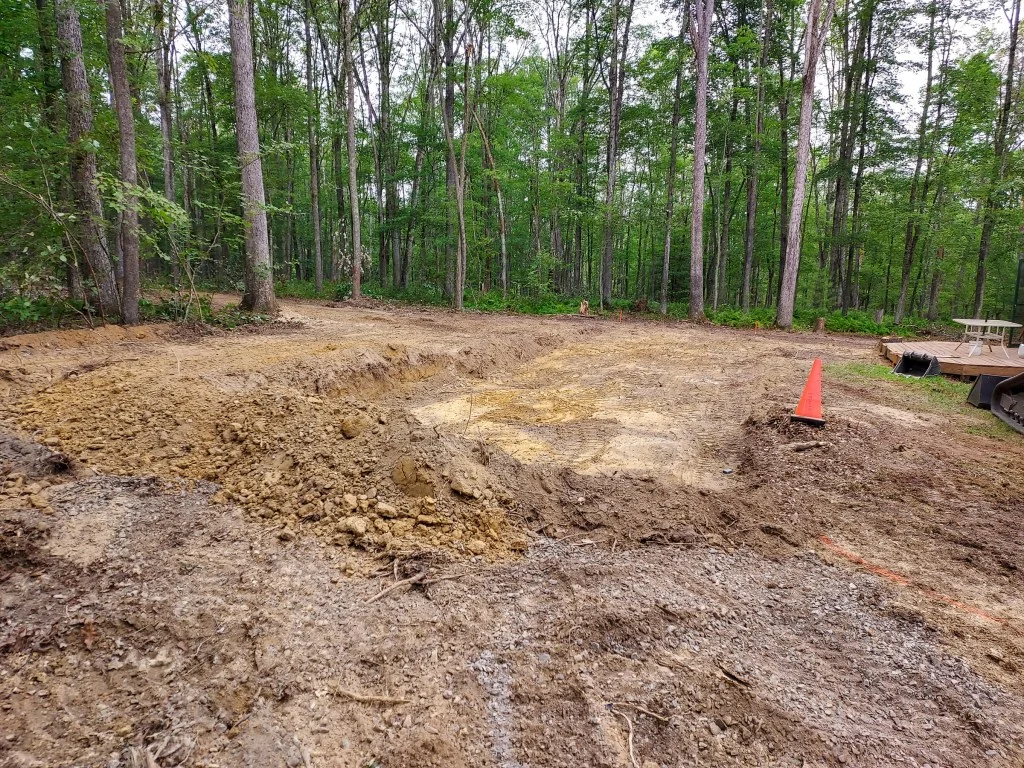
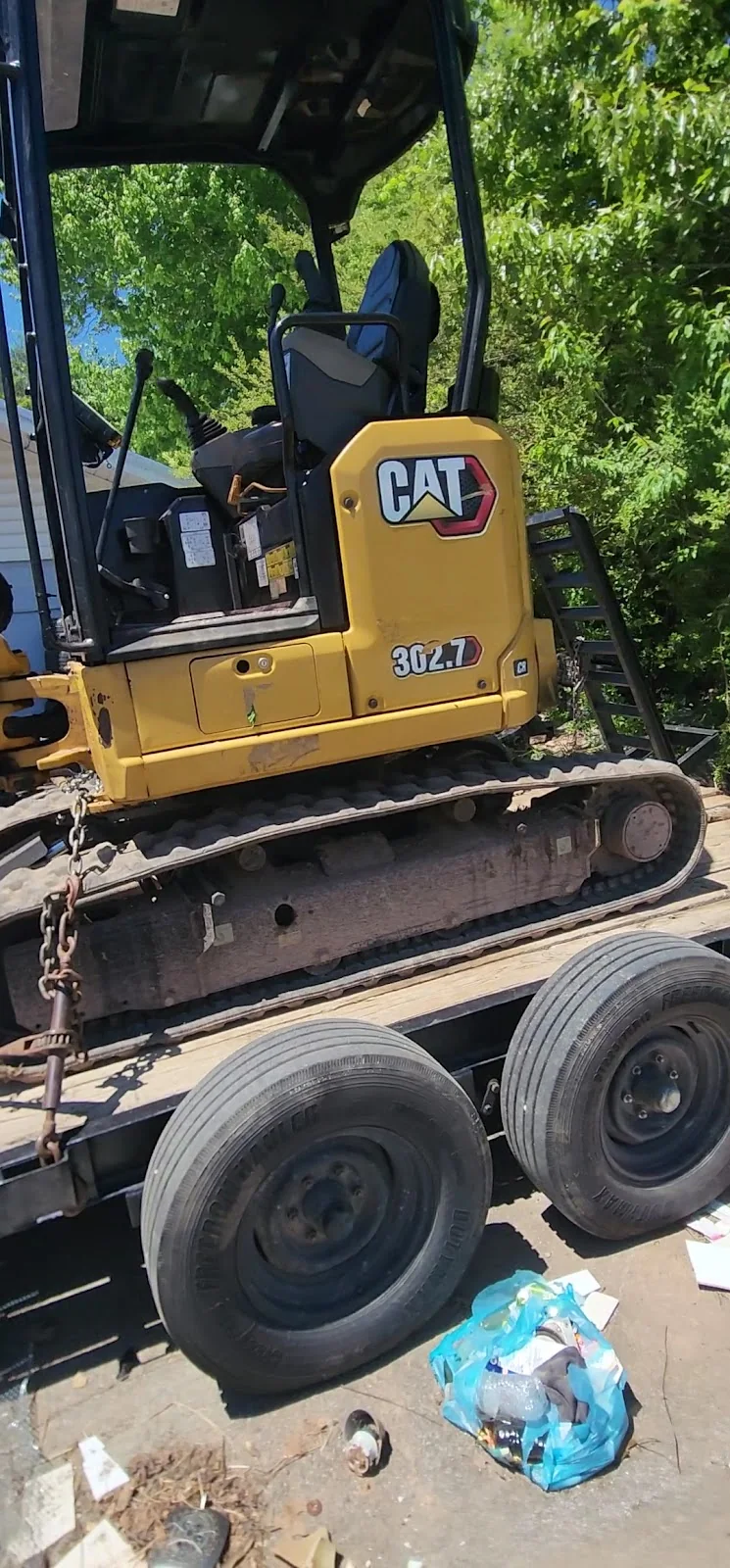
Laurel Park sits on ridges and ravines above Hendersonville, and the soil under most lots is a mix of red clay, weathered rock close to the surface, and pockets of old fill from earlier home sites. Each one changes what clearing costs. Red clay holds water and turns a cleared slope into a slick, unstable surface until it is graded and stabilized. Shallow rock stops a stump grinder cold and pushes the job toward an excavator with a rock bucket. Old fill, especially fill placed decades ago around a former foundation or driveway, can settle unevenly once the trees and roots holding it together are gone.
That means the first walk-through is not about counting trees. It is about reading the ground: where the rock ledge shows, where water already runs during a storm, and whether the previous build left buried debris. Those three answers usually decide the machine size, the days on site, and whether any soil has to be brought in afterward. On a ravine lot off a switchback drive, the answer is often yes, and the trucking alone can rival the clearing line.
Scope, machine hours, and where the money goes
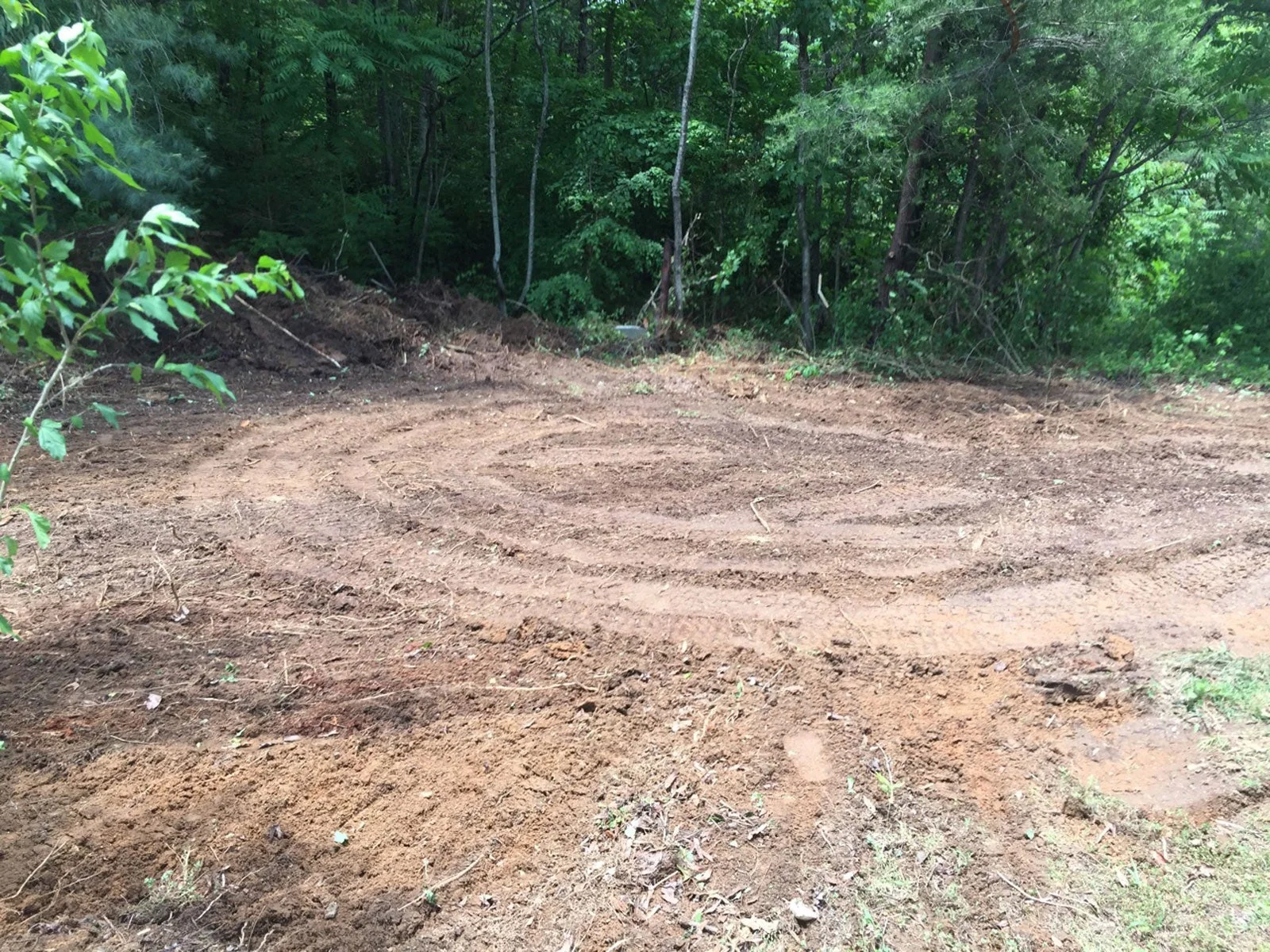
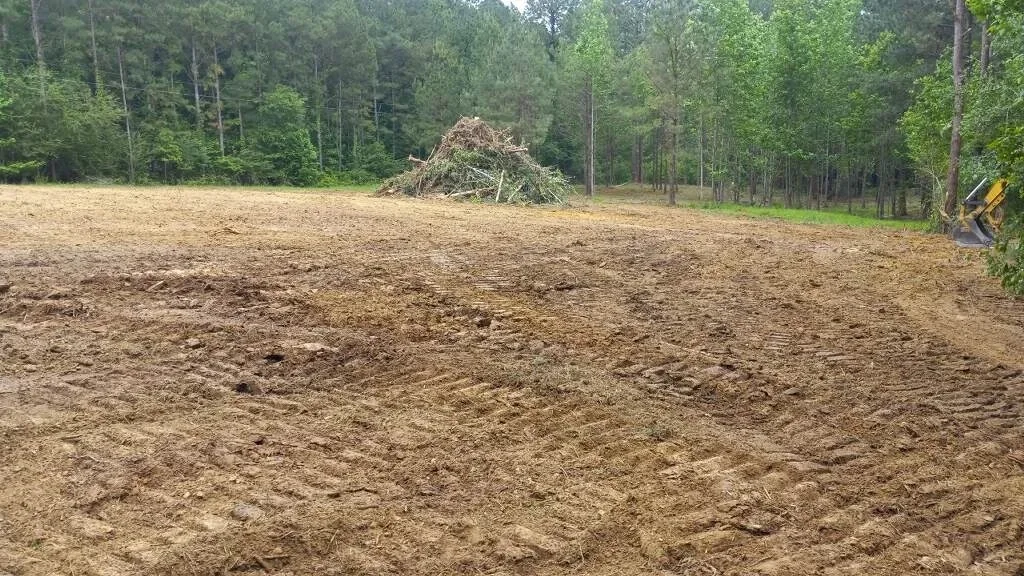
Most Laurel Park clearing jobs fall into one of a few buckets. Brush and sapling clearing with the stumps ground in place is the lightest. Clearing mature hardwoods with stump removal and haul-off is the heaviest. In between sits the common job: take the trees, grind the stumps, root-rake the topsoil, rough-grade for a build pad or yard, and leave the site draining away from the house.
The table below reflects typical residential ranges in Henderson County. Slope, rock, and haul distance move the number more than acreage alone. A tight ridge lot with one access point can cost more to clear than a larger parcel with room to work.
| Scope | Typical range | What drives it |
|---|---|---|
| Brush and small-tree clearing, stumps ground in place | $1,800-$4,500 | Lot size, brush density |
| Mature tree clearing, stumps ground, chips left on site | $3,500-$7,500 | Tree count and diameter, access |
| Full clearing with stump removal and haul-off | $6,000-$12,000+ | Debris volume, trucking distance |
| Rough grading and drainage after clearing | $1,500-$6,000 | Slope, rock, soil to import |
| Rock excavation beyond normal digging | Quoted by the hour | Ledge depth, hammer time |
For a Henderson County-wide view of dirt work pricing, see the grading cost breakdown before you compare clearing bids.
Storm water is the reason most clearing calls happen
Henderson County has seen 16 federally declared disaster events across a 1978-2026 record, and the pattern is storms and flooding. On Laurel Park's slopes, that history shows up as downed trees, washed-out driveways, and silt pushed against foundations. When clearing follows a storm, the job is not just removing debris; it is restoring the drainage the trees and brush were holding. The National Weather Service outlook for the southern mountains makes the point plainly: heavy rain on steep, bare ground moves soil fast.
If the site was cleared and left bare, the next storm will find the low spot. Grading to shed water, stabilizing exposed clay, and keeping runoff off the neighbor's slope are part of the job, not add-ons. The NC Building Code Council and NCDOI Engineering Division treat site drainage and erosion control as real requirements once a permit is in play, and inspectors do look. The EPA also connects sediment runoff to water-quality problems downstream, which matters on ground that feeds the French Broad watershed.
Who can legally take the job, and when it matters
Small clearing and grading jobs often fall under the homeowner exemption, but larger earth-moving, structural fills, or work tied to a new build crosses the threshold where a licensed general contractor is required. The NC Licensing Board for General Contractors sets those thresholds, and the honest answer is that the line depends on the project value and scope, not on how the crew describes itself. If a bid includes a build pad, retaining, or drainage structures, ask who holds the license and who pulls the permit.
Laurel Park sits inside Henderson County, so town and county rules both apply depending on the parcel and whether it is inside town limits. Confirm before work starts. A crew that cannot tell you which jurisdiction issues the permit is a crew that has not done many jobs here. Local references on the Laurel Park grading contractors page are a faster filter than any website claim.
Reading a bid without getting burned
Two bids for the same lot can differ by thousands and both be honest, because they are pricing different things. The cheap one may leave stumps, chips, and root balls on site. The expensive one may include haul-off, topsoil, and rough grade. Before you sign, get four items in writing: whether stumps are ground or pulled, where debris goes, whether topsoil is stripped and stockpiled, and what the final surface will be.
Then ask how the crew handles rock. On Laurel Park ground, a bid that assumes none is a bid that will grow. The page on land clearing walks through the full scope so you can line a quote up against it. When the site is ready for finish work, grading and drainage come next, and the crew that cleared it is usually the right one to shape it, provided they put the plan in writing.