The machines, the dirt, and the mountain between them
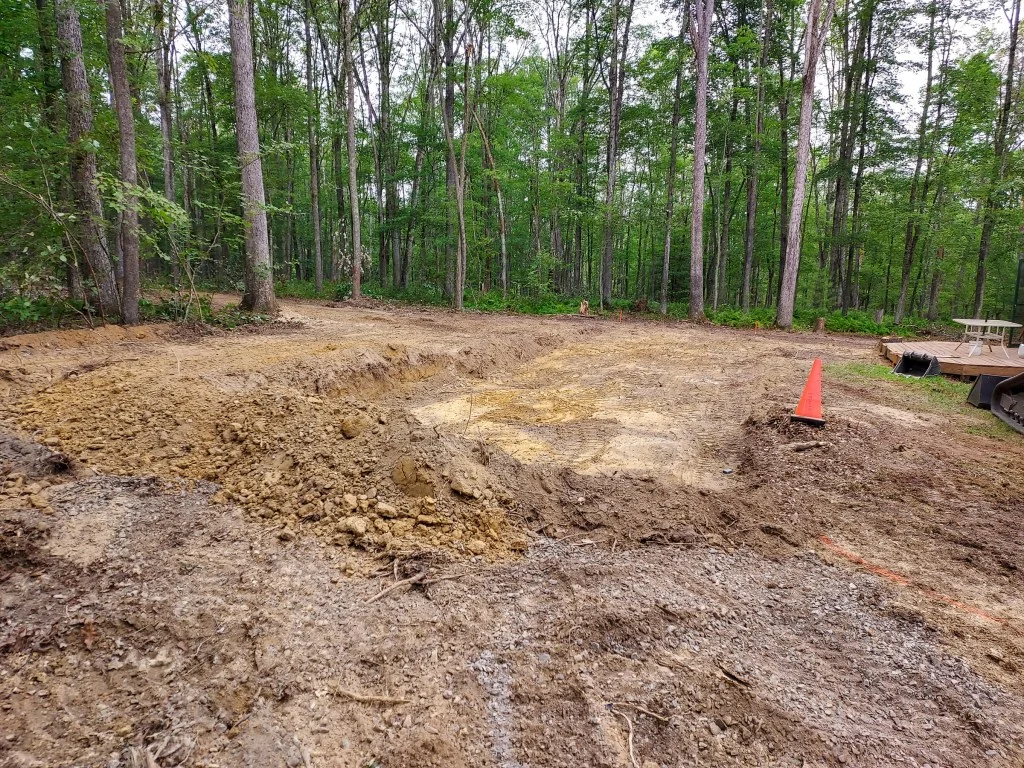
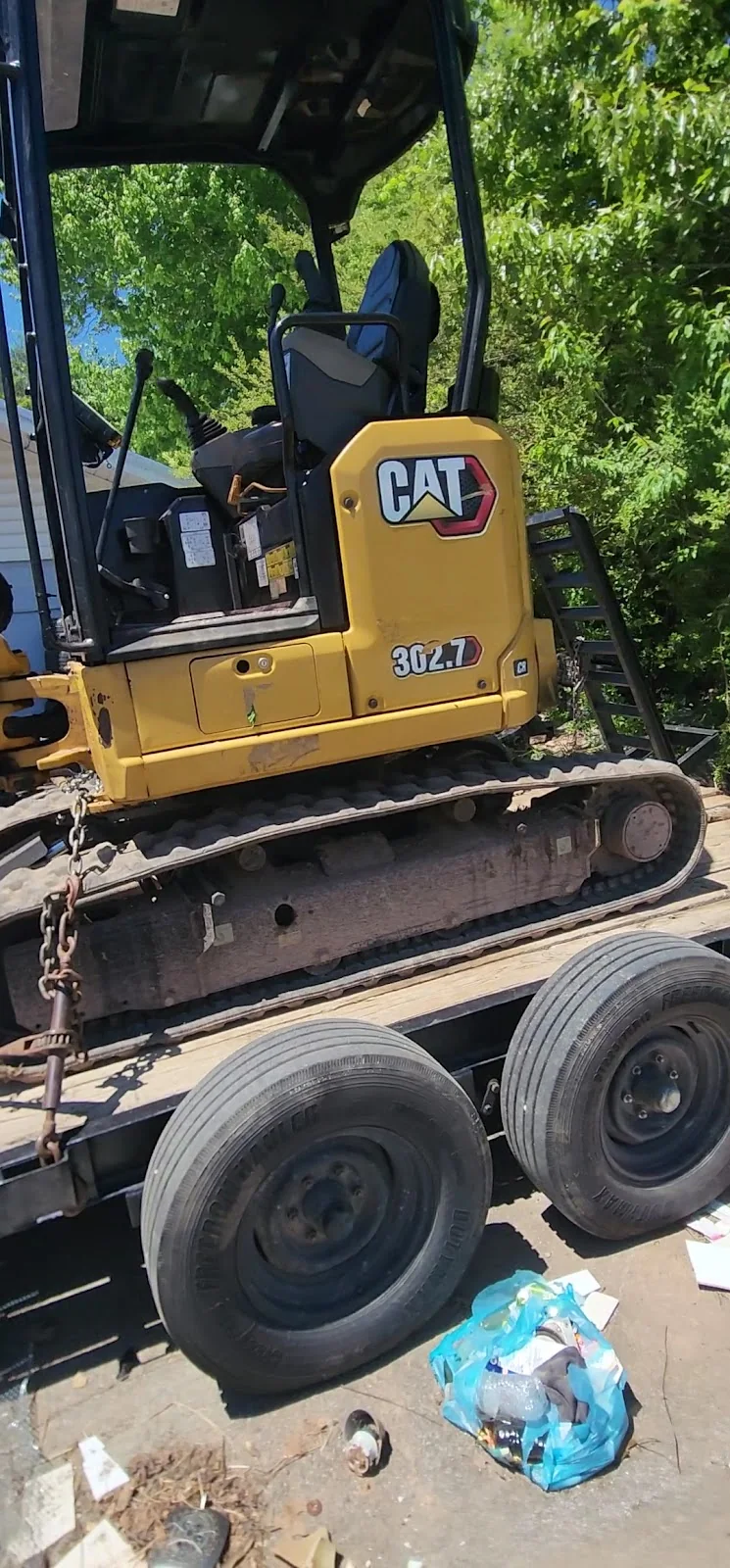
Biltmore Forest is a village of ridgeline lots platted when the original cuts were made by hand and mule, and that history is the whole grading story here. The problem is rarely the dirt itself. It is getting a machine to the dirt and getting the spoil back out. Narrow, curving drives off Vanderbilt and Brookside roads often refuse a full-size excavator, which means a job that pencils on a flatland quote suddenly only works with a compact track machine, a conveyor, or a crane-assisted reach. That swap alone can move a bid from the middle of the band toward its top.
Haul distance is the second lever. There is no quarry and no clean-fill dump inside the village limits, so every yard of structural fill comes in by truck from the commercial yards off Hendersonville Road or up toward Weaverville, and every bucket of spoil goes back out the same way. On a hillside lot, that round-trip freight is not a rounding error; it is frequently the difference between a $2,800 regrade and an $8,000-plus site prep. Ask any contractor to itemize trucking separately from material. The ones who can't are hiding it in a black box.
What actually shapes the scope on a Biltmore Forest lot
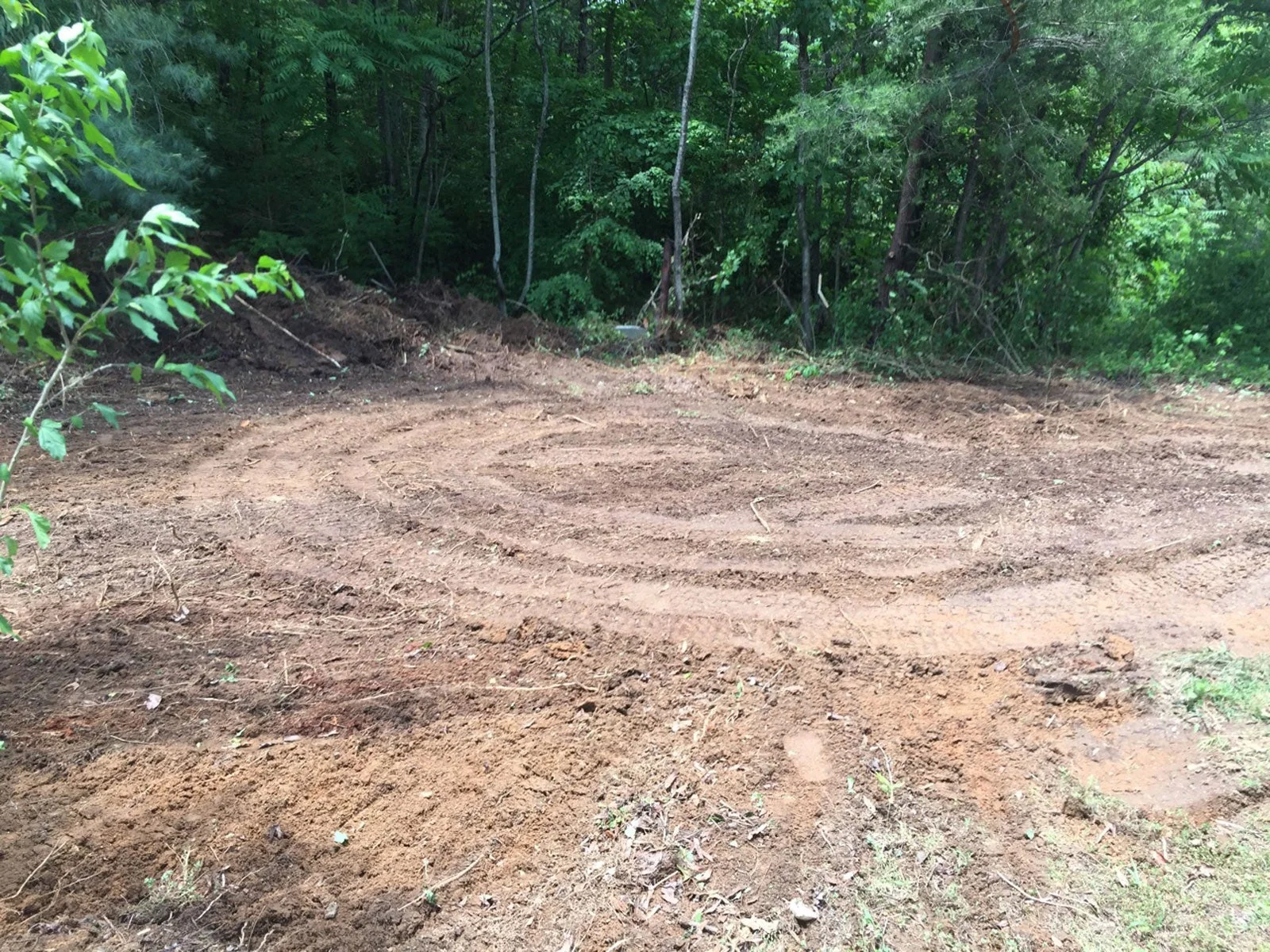
Three site conditions do most of the work on a bid here. First, slope: anything pitched past roughly 15 percent needs benching, temporary shoring, or a geotechnical opinion before machines move, and that is engineering time, not just seat time. Second, tree cover: the village's mature hardwoods are part of its character and its value, and removing even a few changes the drainage pattern on the lot below. Third, runoff: uphill neighbors, older storm drains, and the creek threading through the southern part of the village all put water where your grade needs to send it, and the NC Department of Insurance, Office of State Fire Marshal treats lot drainage and foundation waterproofing as enforceable code requirements, not optional extras.
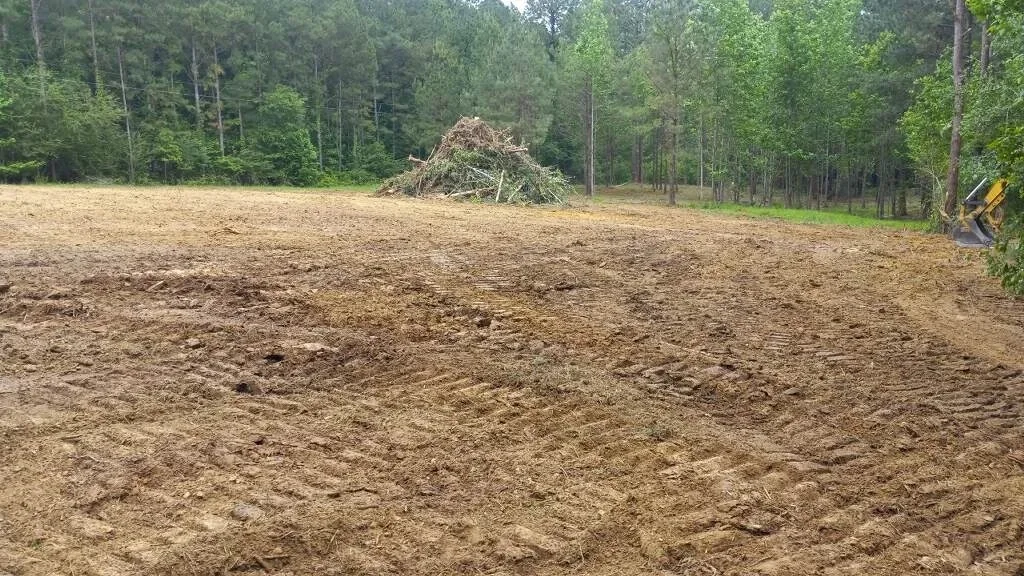
If your site also needs brush, stumps, and hardwood canopy removed before earthwork, that is a separate line with its own machine hours and disposal math. The land clearing service for Biltmore Forest lays out that scope and pricing so you can see where clearing ends and grading begins.
Biltmore Forest grading price ranges
Every lot is its own math problem, but the table below reflects what these scopes realistically cost in and around the village. Treat the ranges as the shape of the market, not a commitment; the actual number depends on machine access and how many truckloads leave the site.
| Scope | Typical range |
|---|---|
| Small regrade, cut/fill under 50 cubic yards, walkable access | $1,200-$3,200 |
| Driveway cut and gravel base, 100-200 feet on moderate slope | $3,500-$6,500 |
| Building-pad cut on moderate slope with drainage | $4,500-$8,000 |
| Haul-off of spoil to off-site fill location (per truckload) | $450-$900 |
| Imported gravel or structural fill delivered (per cubic yard) | $55-$110 |
The ranges sit inside the county-wide anchor, and jobs on steep mountain lots with rock or heavy fill can push past $8,000 once retaining-wall coordination and engineered fill are added. The Buncombe County grading cost breakdown maps the same line items against county norms, so you can compare a Biltmore Forest quote against the wider market.
Licensing, permits, and the checks worth running before you sign
Grading touches more regulated trades than most homeowners expect. Land disturbance above the state threshold requires an erosion-control plan, and any excavation that exposes a foundation drain, water line, or sewer connection pulls in licensed trades. General contractor licensing in North Carolina is administered by the NC Licensing Board for General Contractors, and scope creep here is common. Verify the license class before signing, not after the first invoice.
Two more checks worth asking. First, does the crew carry sediment-control materials on the truck? Biltmore Forest's position above the Asheville watershed means silt escaping a site is a real regulatory problem, not a technicality. Second, do they coordinate with the surveyor, the engineer, and the builder, or hand off at the property line? The best grading crews here do the former. Our grading and excavation service overview walks through the full scope of a complete job.
Weather, water, and the long view on a hillside grade
Buncombe County has been touched by 19 federally declared disaster events across a 1973-2026 record, dominated by storm and flood families. That history matters on hillside lots specifically: what a slope does in a dry year is rarely what it does in a wet one, and perched water tables show up fast after a multi-day rain. Any grading scope worth the price should include where overflow goes when the design storm exceeds the design. The National Weather Service tracks the rainfall and flood guidance local engineers use to size that overflow, and it is worth asking whether your contractor used it.
Long-term, the grade you build is the grade you maintain. Walk the lot once a year after leaf-drop: check that swales still flow, that gutters still discharge away from the foundation, and that no new rut has opened on the drive. That walk is cheap and prevents expensive repairs.