What the ground under a Madison County drive actually is
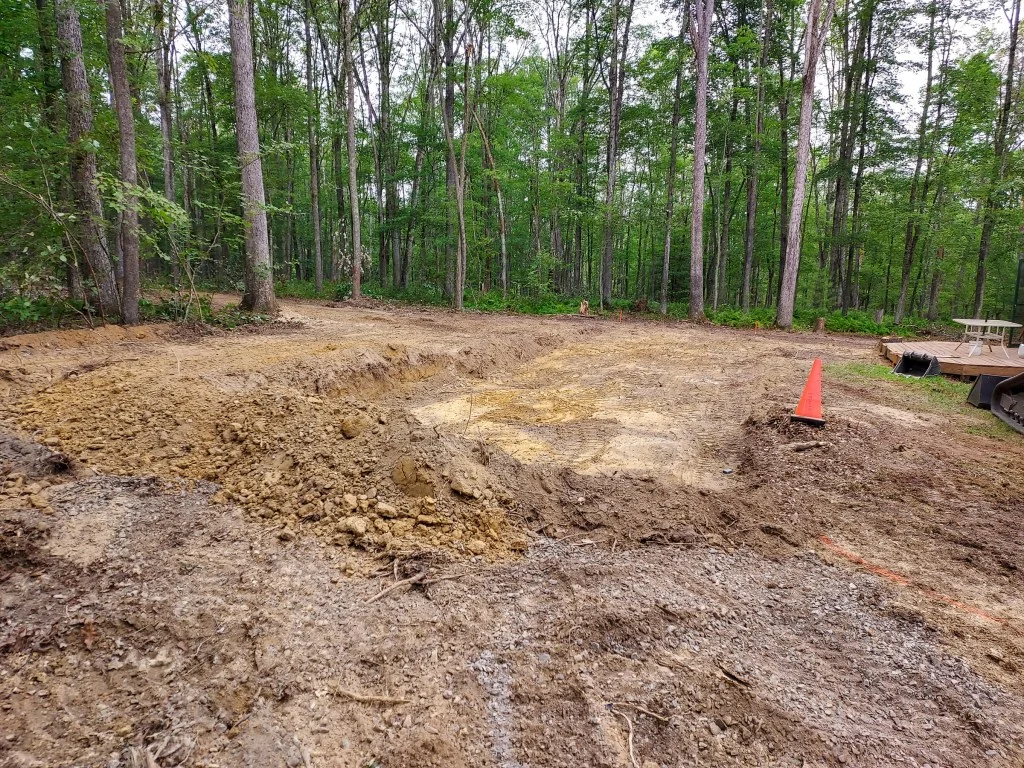
Driveway work in Madison County is really soil work with a gravel topping. Around Mars Hill and the Shelton Laurel backroads, rock shelves sit close enough to the surface that a machine operator spends the day breaking and sorting instead of digging. Closer to Marshall and the French Broad bottoms, the problem flips: red clay that holds water, pumps under a truck tire, and will not support stone unless you first put down a separation fabric and build a base thick enough to bridge the soft stuff. The third case is old fill, common on lots that were pushed level decades ago when the grade was cut for a house pad, and fill behaves like neither rock nor clay. It looks firm in August, then a wet spring turns it into pudding under a loaded truck. Each of those three ground conditions changes what a loader, a box blade, and a dozen loads of stone actually cost, and no two parcels in the county are quite the same mix.
The practical effect is that driveways here are quoted after someone walks the grade and probes the ground with a digging bar, not from a satellite photo. A driveway that looks flat from the road can hide a rock shelf two feet down, and a driveway that looks steep can turn out to be easy decomposed granite. That uncertainty is why working ranges, not fixed prices, are the honest way to talk about this trade in Madison County.
| Scope of work | Typical Madison range | What drives it |
|---|---|---|
| Regrade and top-dress existing drive | $600 – $1,800 | length, existing crown, how much stone remains |
| New gravel drive, easy ground | $2,500 – $5,500 | length, base depth, culvert count |
| New drive with rock or heavy fill | $5,000 – $12,000 | machine hours to break rock, haul-off of spoil |
| Steep or long drive with drainage | $12,000 – $25,000+ | switchbacks, culverts, road fabric, stone depth |
Those are working ranges, not quotes. Anyone who gives you a firm number before walking the grade and probing the ground is guessing with your money. For the piece of the project that is grading rather than stone, see our grading cost guide.
Why slope and water set the floor and ceiling on these hillsides
Madison County gets real weather. The federal record counts 21 declared disaster events touching this county across 1978-2026, most of them storm and flood family, and that history is written on every hillside drive from Hot Springs to Mars Hill. A driveway that climbs to a ridge crossing catches uphill runoff across its width, and if nobody cut a proper ditch or set a culvert, that water finds the roadbed. The National Weather Service's rainfall data for the southern mountains is not a talking point here, it is the design load: weather.gov shows what the county gets in a single stalled storm, and a stalled storm over the French Broad watershed is a different event than the same rain on flatter ground east of the mountains.
The consequence is that slope drives the design more than length does. A 200-foot drive climbing 30 feet needs a crown, a ditch on the uphill side, and enough stone depth that the surface does not wash into the ditch the first time it rains hard. A 600-foot drive on gentle ground may cost less per foot than that short steep one, because the water has somewhere to go without engineering. Switchbacks, which are common on ridge lots around Mars Hill and the higher Shelton Laurel hollows, add culverts, extra fill, and more machine hours, and that is usually the single biggest jump in the quote.
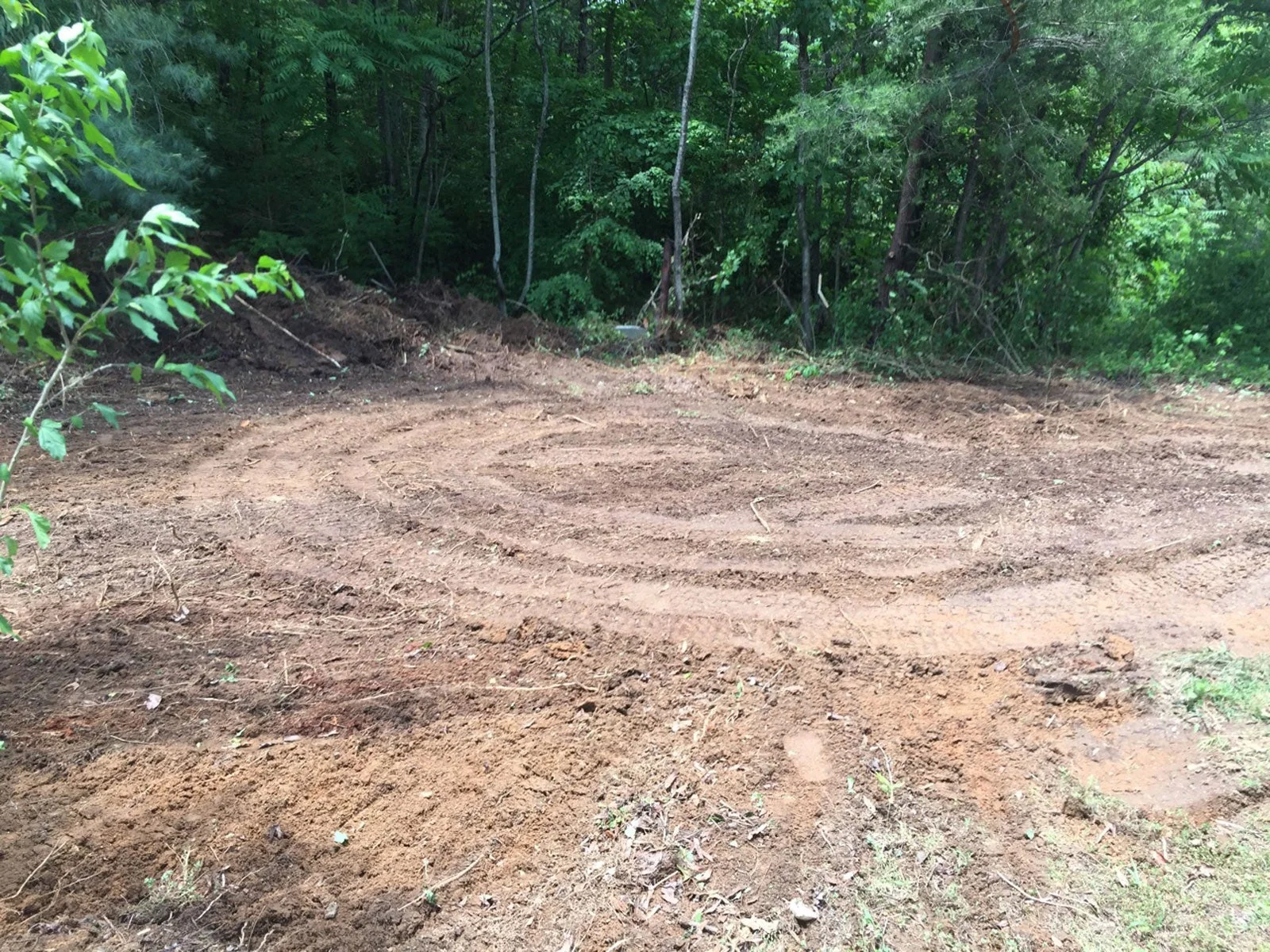
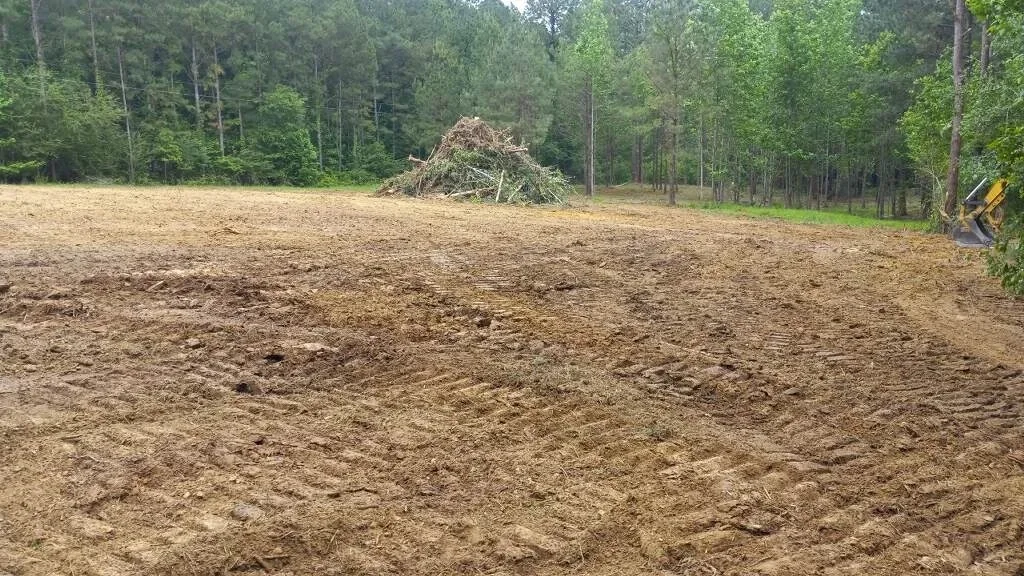
Practical consequence: a cheap drive is one graded flat with no crown, no ditch, and no rock base. It will look fine for a season and then rut. The fix later costs more than building it right the first time, because you pay a second time for the grading you skipped. Pair the drive work with the yard and pad work in one mobilization, which is what our Buncombe County grading cost page explains for the neighboring market.
Stone choice is a local decision, and trucking is often the biggest line item
Three stone sizes do most of the work on a Madison County drive. Crusher run, the gray mix of dust and stone, compacts into a hard surface and is the standard top layer. #57 stone, the clean one-inch washed rock, drains fast and is what you use on a wet-weather drive or over fabric where you do not want fines pumping. Riprap is the big stuff for ditch lining and culvert ends. Rock that is quarried close keeps the delivered price down, and trucking is often the largest single line item on a long drive, so a quarry forty minutes out versus an hour out shows up in the quote. On a steep gravel road where a loaded dump truck cannot make the last pitch, the stone may have to be dumped at the bottom and pushed up with a machine, and that machine time is part of the price.
Road fabric is worth the money on red clay and old fill. It separates the stone from the subgrade so the stone does not sink and disappear, which is the failure mode people misdiagnose as bad gravel. A drive that keeps eating stone every few years is usually a drive built over soft ground with no fabric, and the fix is a rebuild, not a fresh top-dress. Where the county code touches driveway construction, the standard is the residential code's provisions, published by the International Code Council. If a drive crosses a stream or wetland, the U.S. Environmental Protection Agency rules on fill and stormwater can apply, and that is a different conversation than grading. Some hollows here drain to trout water, and the rules around culvert placement and stream banks are stricter than they are on a flat inland lot.
Permits, licensing, and where the line actually sits
Reshaping a driveway on your own land is usually not a permitted activity in North Carolina, but two lines matter. If the work changes drainage onto a neighbor's property or into a regulated stream, it can become a county or state matter. And if a contractor is doing the work, the state's licensing threshold rules kick in: the NC Licensing Board for General Contractors governs when a project crosses the threshold, and driveway and grading contractors doing larger site packages fall under it. A contractor who tells you licensing and permits never apply to grading is telling you what their paperwork looks like.
For the requirements themselves, the NC Office of State Fire Marshal publishes the code enforcement side. The rule of thumb: private driveway upkeep, no permit. Anything that moves a lot of earth, changes a drainage pattern, or touches a regulated waterway, ask first. In a county this steep and this wet, the drainage question is the one that comes up most, because a driveway cut into a hillside is a drainage structure whether anybody calls it one or not.
How to keep a driveway bid honest in this market
Three moves protect you in this market:
- Price the base separately from the top. A bid that lumps "gravel" into one number hides whether you are getting four inches of base and two of top or the reverse. Ask for inches by layer.
- Make them show you the ditch plan. Every drive on a Madison County slope needs a water path that is not the roadbed. If the bid has no ditch or culvert line, it is incomplete.
- Compare against the county range. If a bid lands far outside the table above, make them walk you through why. Sometimes the reason is real (rock, depth, length), and how they explain it tells you everything.
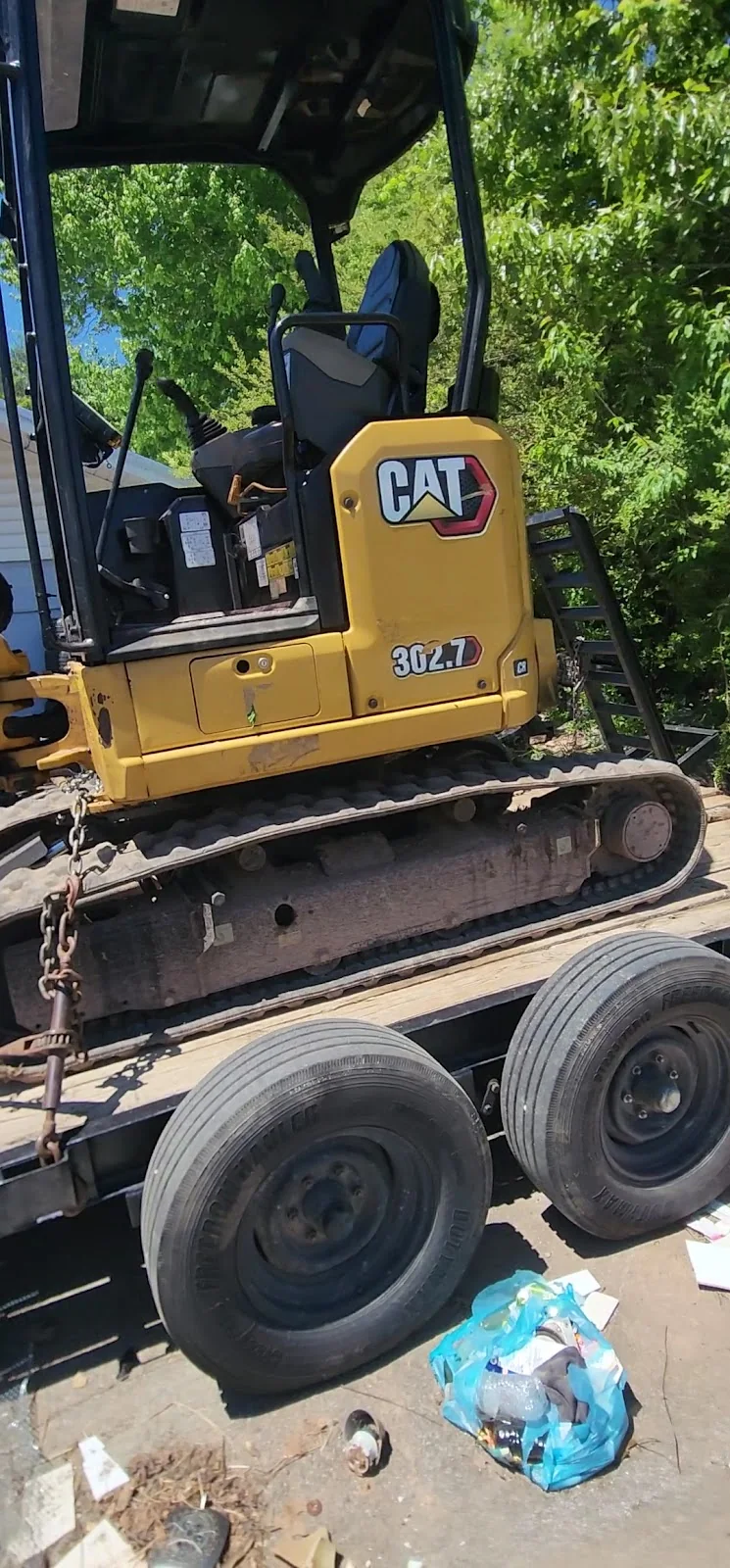
One more local habit worth building: ask whether the crew will be on site with a machine the whole time or whether they plan to truck in, dump, and leave a skid steer to spread. On a long hollow drive, the difference in how the stone gets placed and compacted is the difference between a drive that holds its crown and one that sheds stone into the ditch every rain. For the region-wide picture on stone and labor, see our gravel driveway cost guide, and for the grading side of the same project, the grading cost guide covers the sister line item.