Read the water your yard already moves before you buy a new system
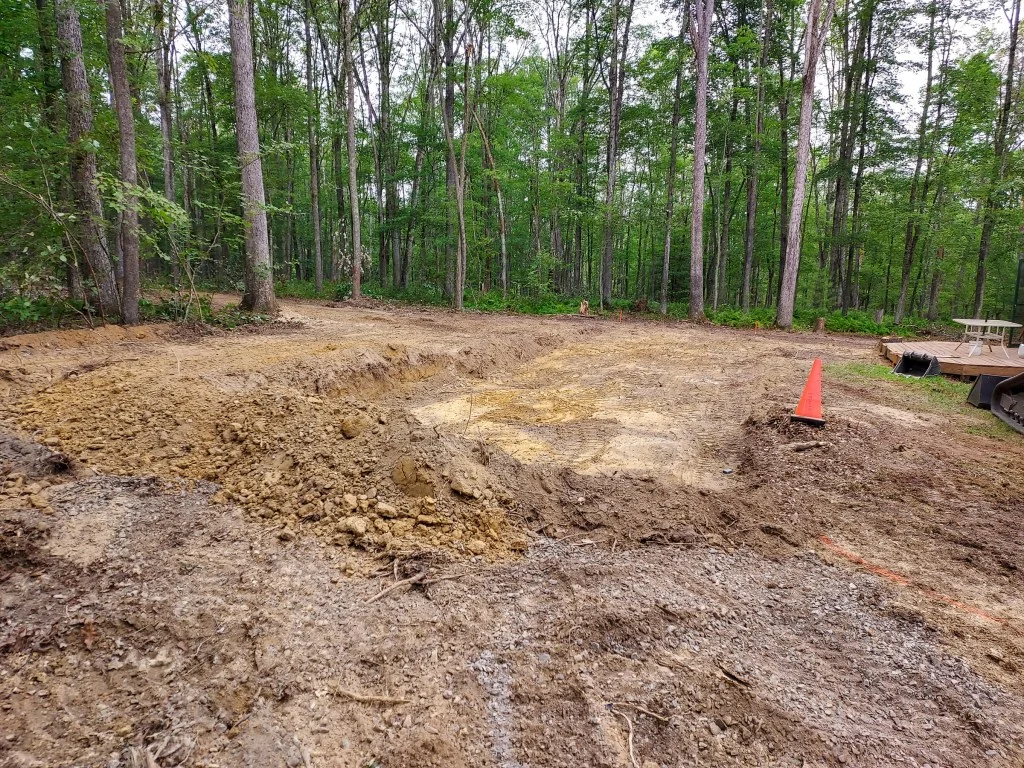
Drive the back roads between Clyde and the Crabtree community and you can spot the pattern: a house pad cut into a slope, a gravel drive angling down toward the garage, and a low spot in the yard that has been wet since the last big rain. Nine times out of ten, the homeowner's first call is for a new French drain. The honest first step is different — walk the property and figure out where the water is already going, because the existing drive, pad, and grade are doing most of the work whether you designed them or not.
Clyde sits in Haywood County where the Pigeon River bottoms meet the steep ground rising toward the Blue Ridge. That means two very different water problems in the same small town: flat lots near the river that hold water because they have nowhere to send it, and hillside lots where the uphill neighbor's runoff crosses your property on its way down. A redo-first approach asks three plain questions. Is the driveway shedding water into the yard or away from it? Does the pad sit high enough that runoff clears the foundation? Are the existing ditches and swales still open — or filled with leaves, gravel, and a decade of mowing?
Fixing a swale that has silted in, or re-grading a driveway apron by a few degrees, costs far less than a full perimeter drain install. And it often solves the same complaint. Anyone quoting you a French drain without first standing at the top of your drive on a wet day is guessing.
What Clyde's water actually does, and where redo beats replace
Federal disaster records tell the story for this county: 19 declared events touch Haywood County across 1973-2026, and they are overwhelmingly flood and storm family. Every one of those pushed water at yards and foundations built for drier assumptions. Along the river bottoms, that means saturated ground that stays wet for days after the rain stops. On the hills above US 19 and the Crabtree side, it means fast sheet flow and erosion that cuts a new channel every season. The National Weather Service tracks the rainfall totals; the yard tells you what they did.
Where a redo usually wins:
- Clogged or crushed existing drains. A prior owner's French drain that quit working needs cleaning, re-routing, or a new outlet — not a second system stacked on top of it.
- Driveway water. Gravel drives that crown the wrong way send runoff at the house. Re-shaping the drive and adding a proper turn-out is a grading fix, not a drain fix.
- Gutter and downspout discharge. Downspouts dumping two feet from the foundation undo everything else. Extending them is cheap and changes the whole picture.
- Pad elevation. A pad that sits below the surrounding grade will always fight water. Sometimes the answer is raising the low side, not burying pipe.
Clyde drainage scope and price ranges
Numbers below assume the redo-first inspection has already told you what is actually broken. If they have not walked the property on a wet day, treat the quote as provisional.
| Scope | Typical range | What moves the number |
|---|---|---|
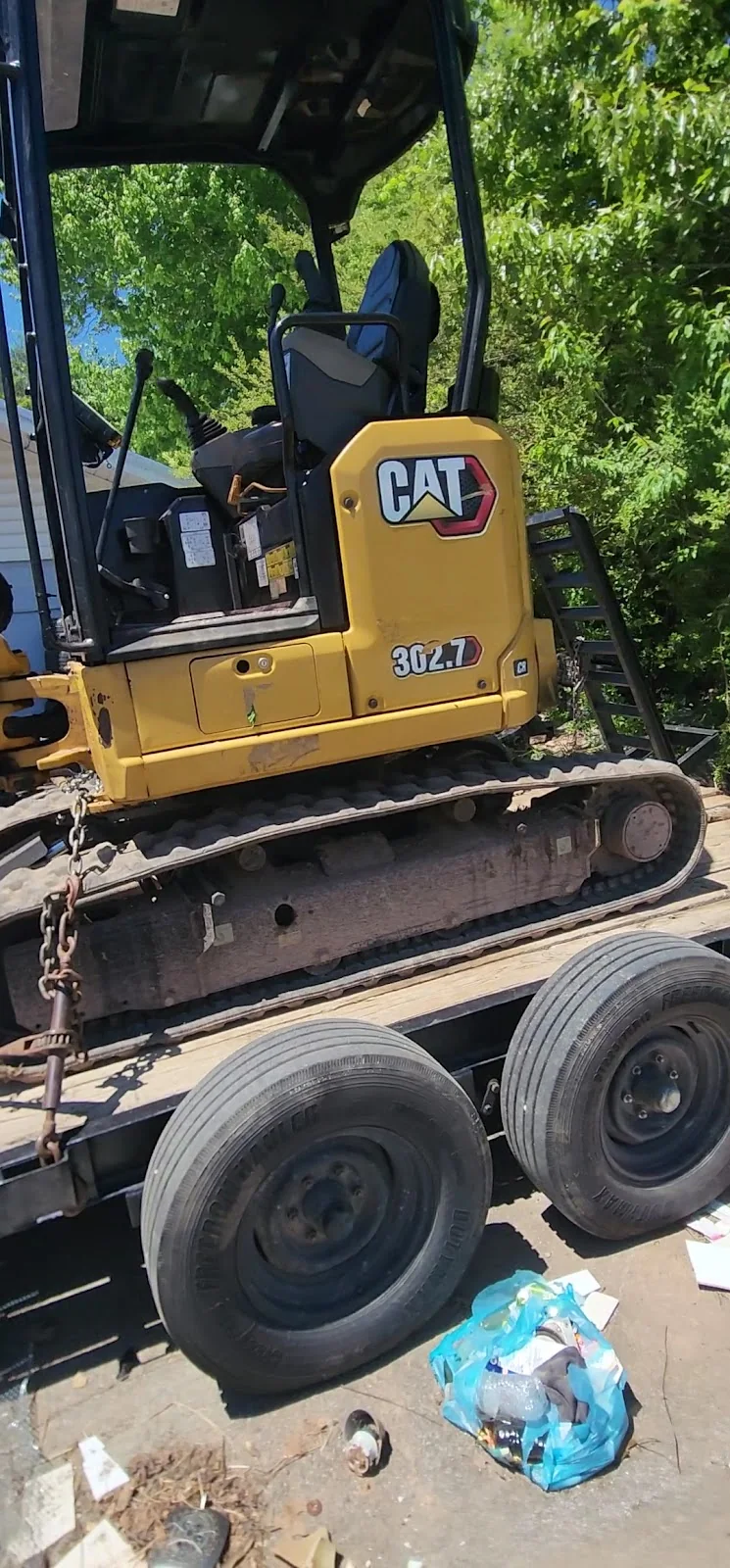
| Single French drain run (one side of house or drive) | $3,000–$9,000 | Run length, depth, outlet distance, rock and pipe, hand-dig vs. machine access |
| Full residential drainage package (multiple runs, grading, outlet) | $3,500–$12,000 | Number of runs, tie-in to existing system, erosion control, haul-off |
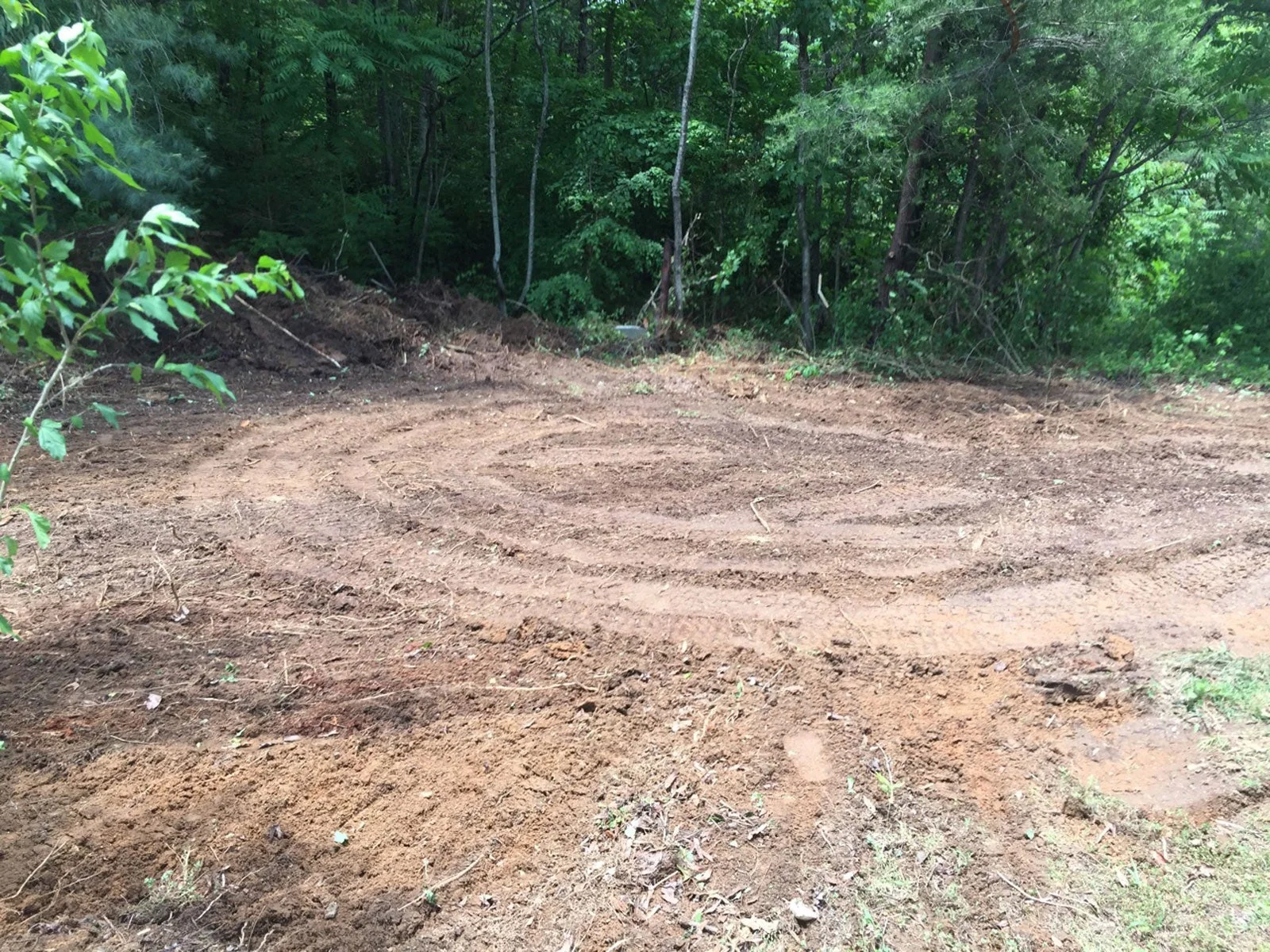
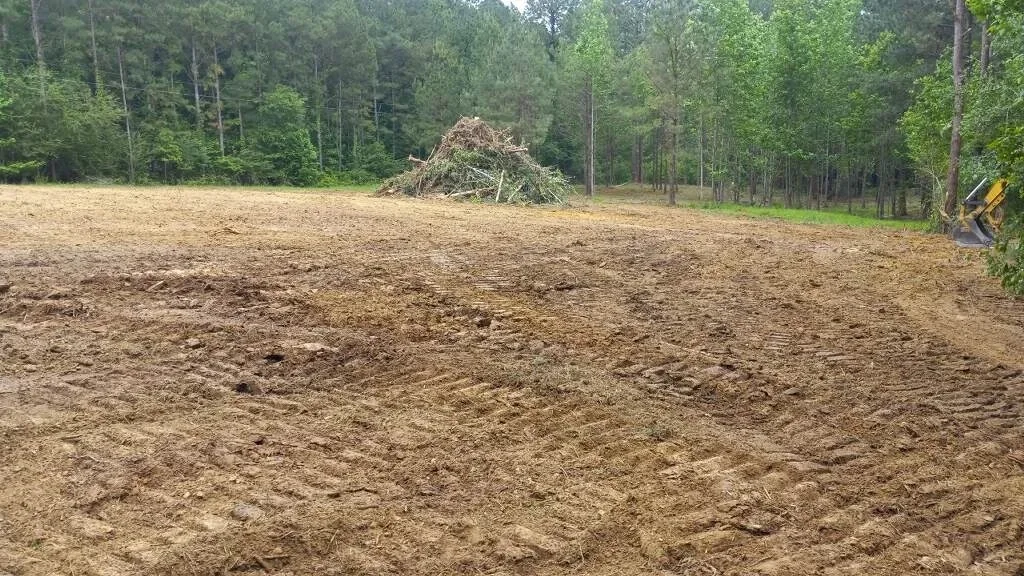
| Whole-yard regrading | $15,000 and up | Cut-and-fill volume, slope of lot, retaining needs, access for equipment |
| Redo of failed existing drain (clean, re-route, new outlet) | Bottom of the band, often under $3,500 | How much of the old system is salvageable, why it failed |
For the county-wide working table, see Haywood County grading cost. Clyde jobs near the river bottom often add dewatering and erosion-control line items that hillside jobs do not, and hillside jobs add slope-stabilization items that lowland bids never show. Compare quotes on scope, not on the bottom line.
Doing the work right in a small mountain town
Any drainage job that involves regrading a whole yard, cutting into a slope, or moving significant dirt is a grading project, and North Carolina draws a licensing line around when that work needs a licensed general contractor. The NC Licensing Board for General Contractors publishes the threshold; ask your contractor where their job falls. Any work that touches a stream, ditch, or slope near the Pigeon River bottom also brings erosion-control requirements, and the drainage and erosion control page walks through what those look like on residential lots. If the plan redirects water toward a neighbor's property, that is a legal question as much as a grading one, and it is worth resolving before anyone digs.
For the crews themselves, grading contractors in Clyde covers how to check references and what a proper scope looks like on paper. The two things to look for: someone who will put the existing-system inspection in writing, and someone who will tell you when the honest answer is "clean what you have," not "buy a new one."