Read what's already there before you grade anything new
Most Weaverville grading calls start with a problem a previous grade created: water pooling against a garage door on a Reems Creek hillside lot, a gravel drive that has migrated to the ditch, a gravel pad that holds puddles after every storm. The instinct is to bring in more dirt and more stone. The cheaper and more permanent answer is usually to read the existing driveway, pad, and drainage first. Where does water leave? Where does it slow down? Where does it drop sediment? If the current surface slopes toward the house, a fresh lift of gravel just relocates the problem.
Weaverville's terrain forces this kind of reading. Town lots along Main Street and Old Mars Hill Highway sit on older, settled yards that have been re-graded more than once. Reems Creek valley properties and hillside lots up the ridges are cut into slopes and clay that shed water fast and hard. Those two worlds need different questions asked, and the first answer is almost never "more fill."
Take a specific case: a driveway off Monticello Road that climbs a 15% grade to a house pad. Every spring the gravel migrates downhill, leaving ruts and exposing the clay subgrade. The homeowner has added stone three times in five years. The real fix is a water bar or rolling dip near the top of the grade to divert runoff off the driving surface before it gains speed. That's a half-day of machine work and a few tons of stone, not a full rebuild. But you only find it by walking the drive after a rain, watching where the water actually runs. That's the read we do before we quote.
Or consider a flat in-town lot near Weaverville Elementary. The backyard stays soggy weeks after a storm because the original builder graded the lot to drain toward the rear property line, and the neighbor's fence and shed now block that path. The fix isn't a French drain across the whole yard. It's re-establishing a swale along the side yard that carries water to the street, plus a downspout extension. A few hundred dollars of grading instead of several thousand in drainage pipe.
The scope that matches your site, not the last job
Grading bids vary so widely because the word covers six or seven separate jobs. Here's what each one typically costs in the Weaverville area, and what actually drives the number up or down.
| Scope | Typical Weaverville range | What moves the price |
|---|---|---|
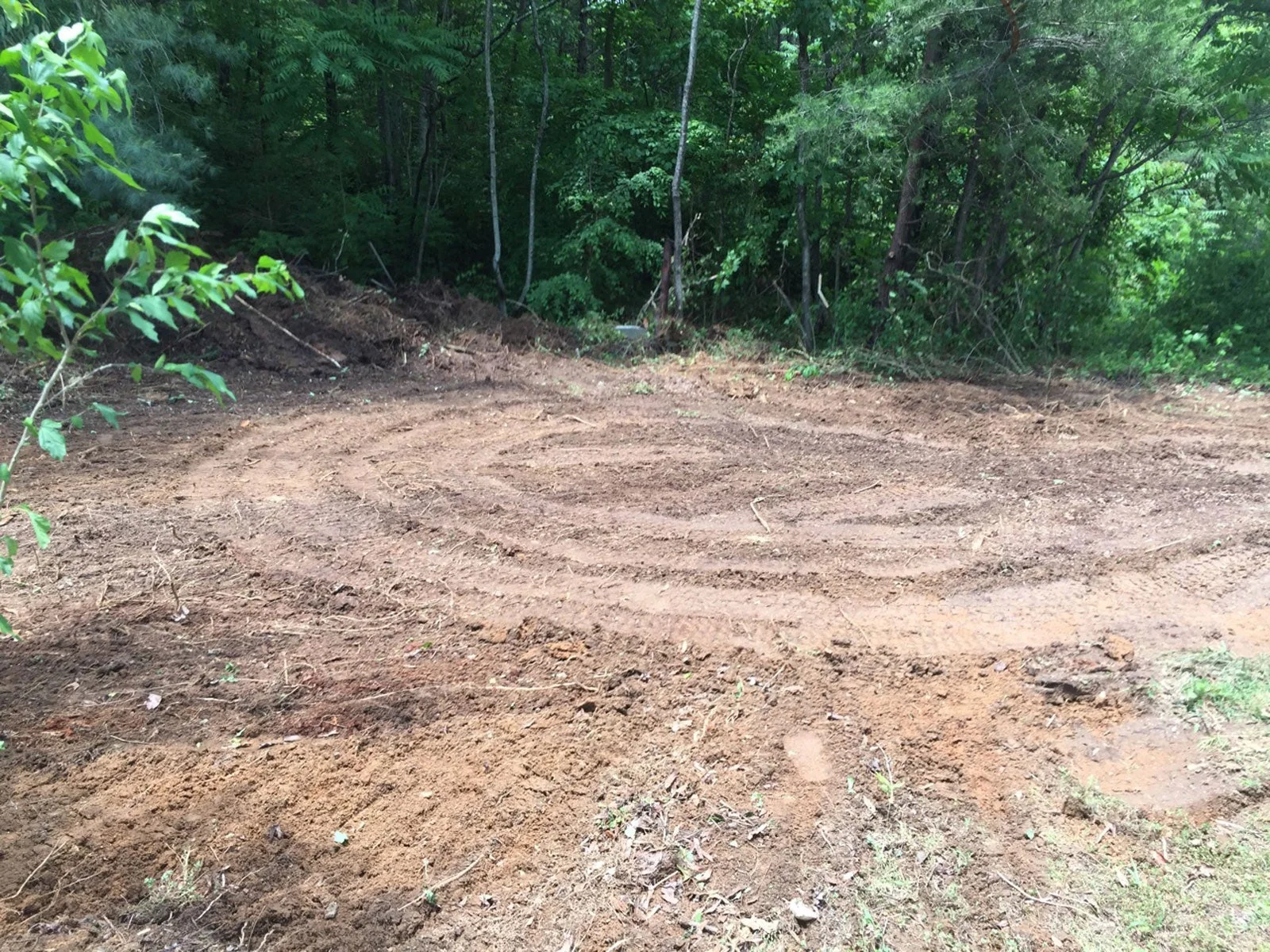
| Re-grade existing driveway (no new material) | $450-$1,300 | Length, slope, how much stone is still usable |
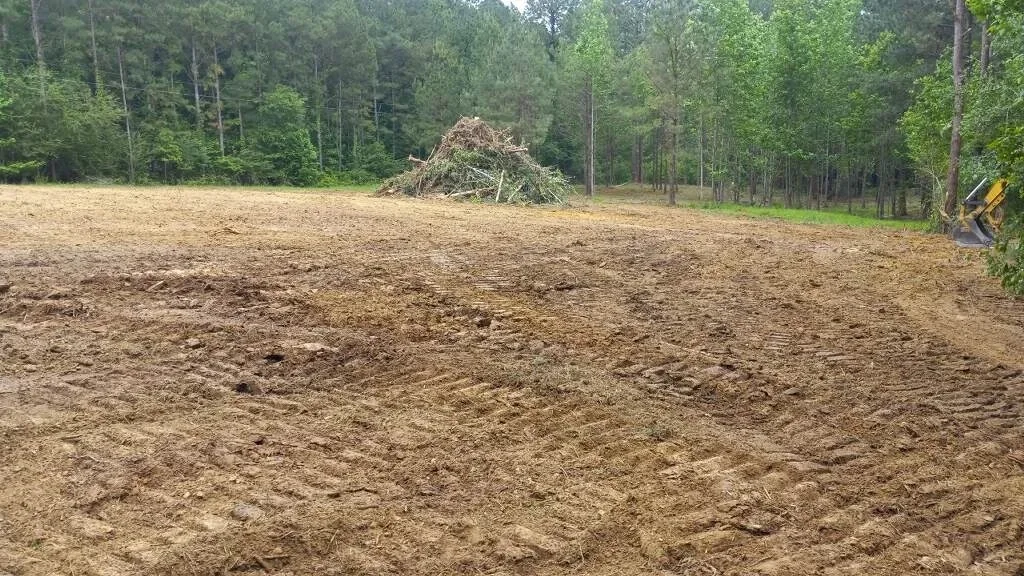
| Driveway rebuild with new base stone | $2,400-$6,500 | Tonnage, haul distance, whether geotextile is needed |
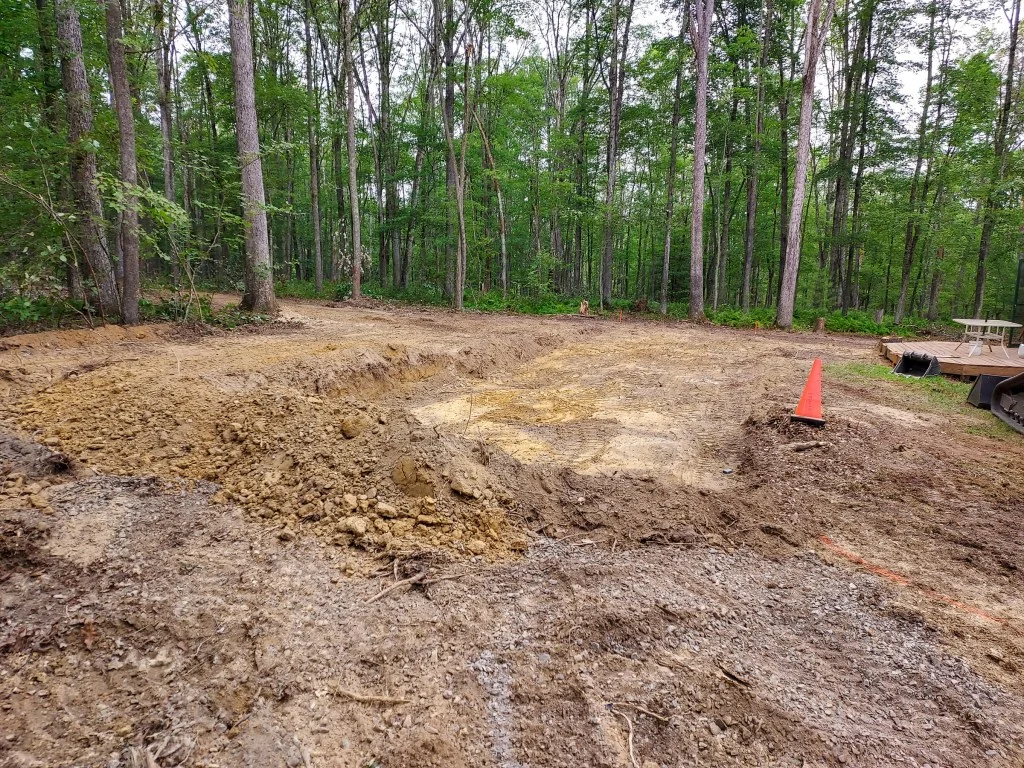
| Building pad cut and compact | $3,500-$9,500 | Cut depth, rock, whether fill must be imported |
| Yard and lot drainage correction | $1,800-$6,000 | Swale length, ditch tie-in, retaining structures |
| Small excavation / trench work | $900-$3,200 | Depth, access for the machine, spoils handling |
Ranges not quotes — a Weaverville hillside job where the machine cannot reach a back corner is a different project than a flat main-street yard. See the full Buncombe County cost breakdown for line-item detail, and a grading and excavation overview if the job mixes in trenching or footing work.
Why the spread? A driveway rebuild on a gentle slope with good access might use 30 tons of stone and take a day. The same length of driveway on a Reems Creek hillside with a switchback and a narrow gate might need 80 tons, a smaller machine, and two days of hand work at the edges. The stone is the same price per ton; the labor and haul are not. Ask any grader to break the bid into material, machine time, and haul-off. If they can't, you're comparing guesses.
One more local factor: many Weaverville properties sit on wells and septic systems. Grading near a septic drain field or a wellhead has setbacks and practical limits. A pad cut that looks simple on a flat lot can require moving the work area to avoid a leach field, which changes the whole plan. Mention your septic and well locations before the first site visit.
Clay, rock and where the water actually goes
Much of Buncombe County sits on clay-heavy soils with rock seams that show up right where you don't want them. Clay drains slowly, holds water against foundations, and turns a gentle slope into a chute when it's bare. Weaverville hillside lots amplify that: a driveway cut into a steep lot has to move water off the driving surface, not onto the downhill neighbor's yard. The NC code enforcement office treats site drainage and erosion control as real requirements, not afterthoughts, and inspectors will look at where your runoff lands.
The federal disaster record backs this up: 19 declared events have touched this county over 1973-2026, and the majority are storm or flood related. That history is why a good Weaverville grader asks about your driveway culvert, your downspout discharge, and the uphill neighbor's runoff before quoting a pad. If you're clearing ground for a new build, plan grading and drainage together — the land clearing guide covers how the two phases interact.
Rock is the other wildcard. In the Reems Creek valley and up the ridges, you can hit a seam of schist or quartzite a foot below the surface. That's good news for a foundation and bad news for a budget. A pad cut that would take a day in loam can take three when a rock breaker or hoe ram is needed. No grader can promise no rock, but an honest one will tell you the risk and how they price it. If a bid is firm and low on a hillside lot, ask what happens if they hit rock. The answer tells you whether the firm price is real.
Water also follows old paths. Weaverville has a lot of small springs and seep lines that show up as wet spots in a yard even in dry weather. Grading over a seep without addressing it just buries the problem. A gravel-filled trench or a curtain drain along the uphill side of a pad is often the right move, and it's cheaper to do it during the initial grade than to come back after the foundation is poured.
Licensing, soil and the safety rules that actually apply
North Carolina draws a line between small residential grading and work that requires a licensed general contractor. The NC Licensing Board for General Contractors sets the threshold — if your project crosses it, the bid should come from a licensed GC, not a machine operator with a card. Ask directly. A clean answer takes ten seconds and tells you a lot about the crew.
Two other things to watch on any Weaverville site: soil disturbance near streams and slopes has erosion-control obligations, and the EPA maintains the stormwater rules that local programs are built on. Separately, ask what happens to spoils. Exporting clay off a hillside lot is a real cost line, and leaving it in a pile at the property line is not "finished." A grader who names both before you sign is the one to hire.
Erosion control is not just paperwork. A bare clay slope in a heavy storm sends mud into the ditch, the culvert, and eventually the creek. In Weaverville, that often means Reems Creek or one of its tributaries. Sediment fences, straw wattles, and temporary seeding are cheap compared to cleaning out a plugged culvert or paying a fine. If your project disturbs more than a small area, expect to see these measures in the plan. If a contractor shrugs at the question, keep looking.
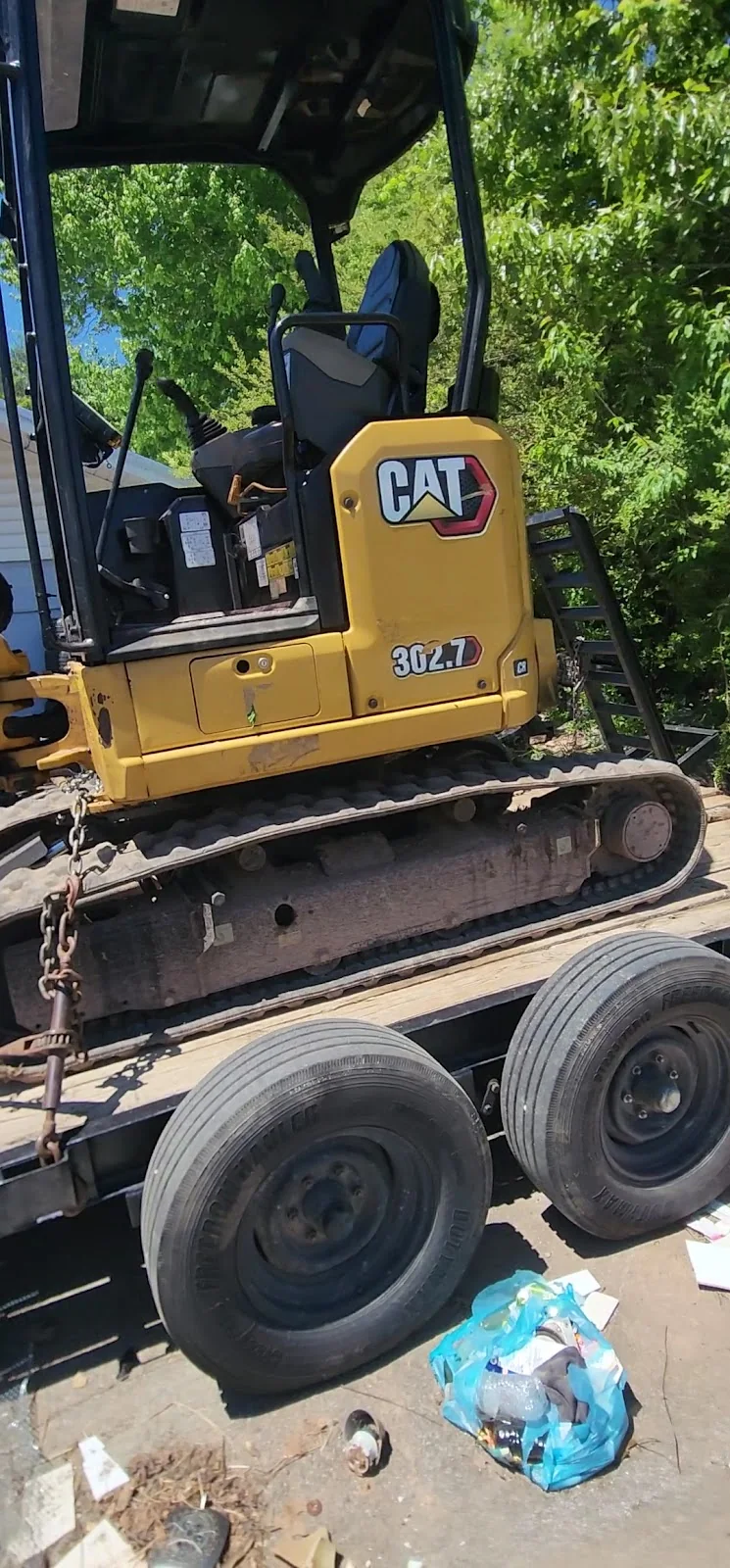
Safety around the work itself matters too. A mini-excavator on a 20% slope is a different animal than one on flat ground. Ask how they plan to work the slope — benching, working downhill, using a machine with a tilting blade. The answer is a window into whether they've done this terrain before. A crew that mostly grades flat subdivision lots will struggle on a Weaverville hillside, and you don't want them learning on your driveway.
What a real Weaverville grading bid should include
The lowest number is rarely the best one, but the highest isn't automatically right either. A complete bid on a Weaverville grading job should answer five questions: what will be cut, what will be filled, where water goes after the work, where spoils go, and what the finish surface will be. If any of those are missing, the bid is incomplete and the price is a guess.
For a driveway rebuild, ask for the stone spec — #3 or #4 base, crusher run, or a washed stone — and the tonnage. Stone is the biggest single material cost; you should know what you're buying. For a pad, ask for the cut depth and the compaction method. A pad that is dumped and smoothed is not compacted, and it will settle. A pad that is placed in lifts and compacted with a plate or roller is a different product, and it costs more.
For drainage work, ask where the water exits the property. A swale that dumps water at the property line is only half a solution if the neighbor is below you. The right answer usually involves tying into an existing ditch, a culvert under the driveway, or a level spreader that releases water onto a vegetated slope. The specifics matter more than the label.
Finally, timing. Grading in Weaverville is best in late spring through fall when the ground is workable. Winter work on clay is slow and messy, and a heavy rain can undo a day's progress. Some crews will charge more for winter work; some won't work it at all. Ask about scheduling and weather risk before you sign. A good grader will tell you honestly when the season is right for your job.