The ground under Leicester decides the price before the first bucket hits
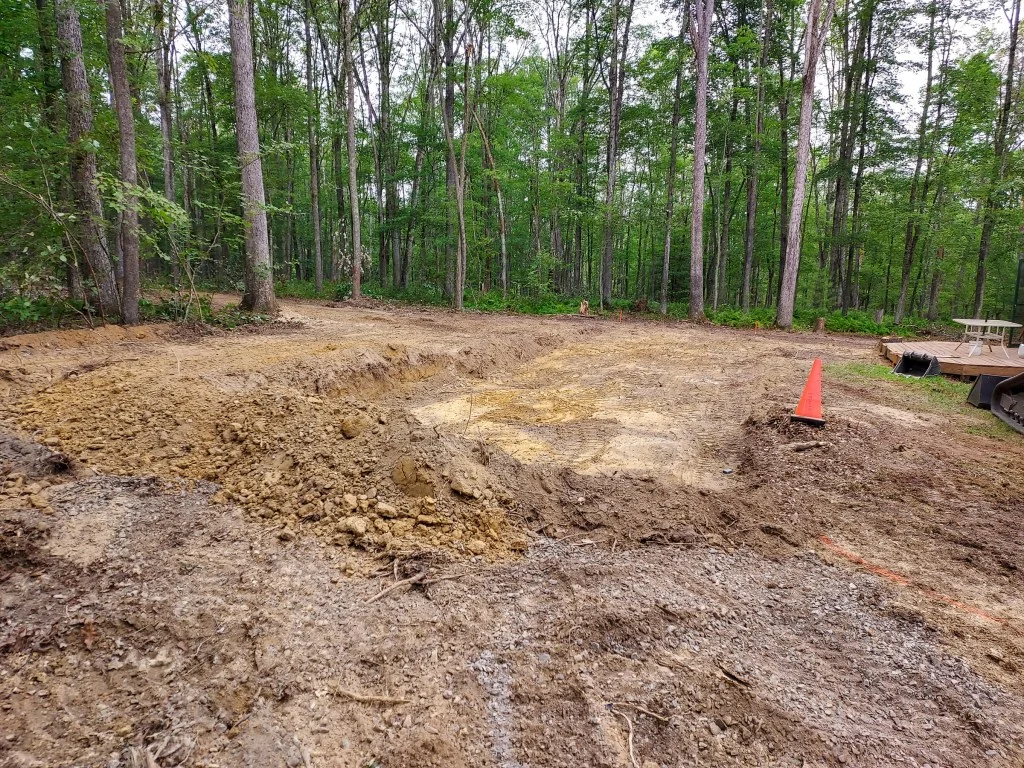
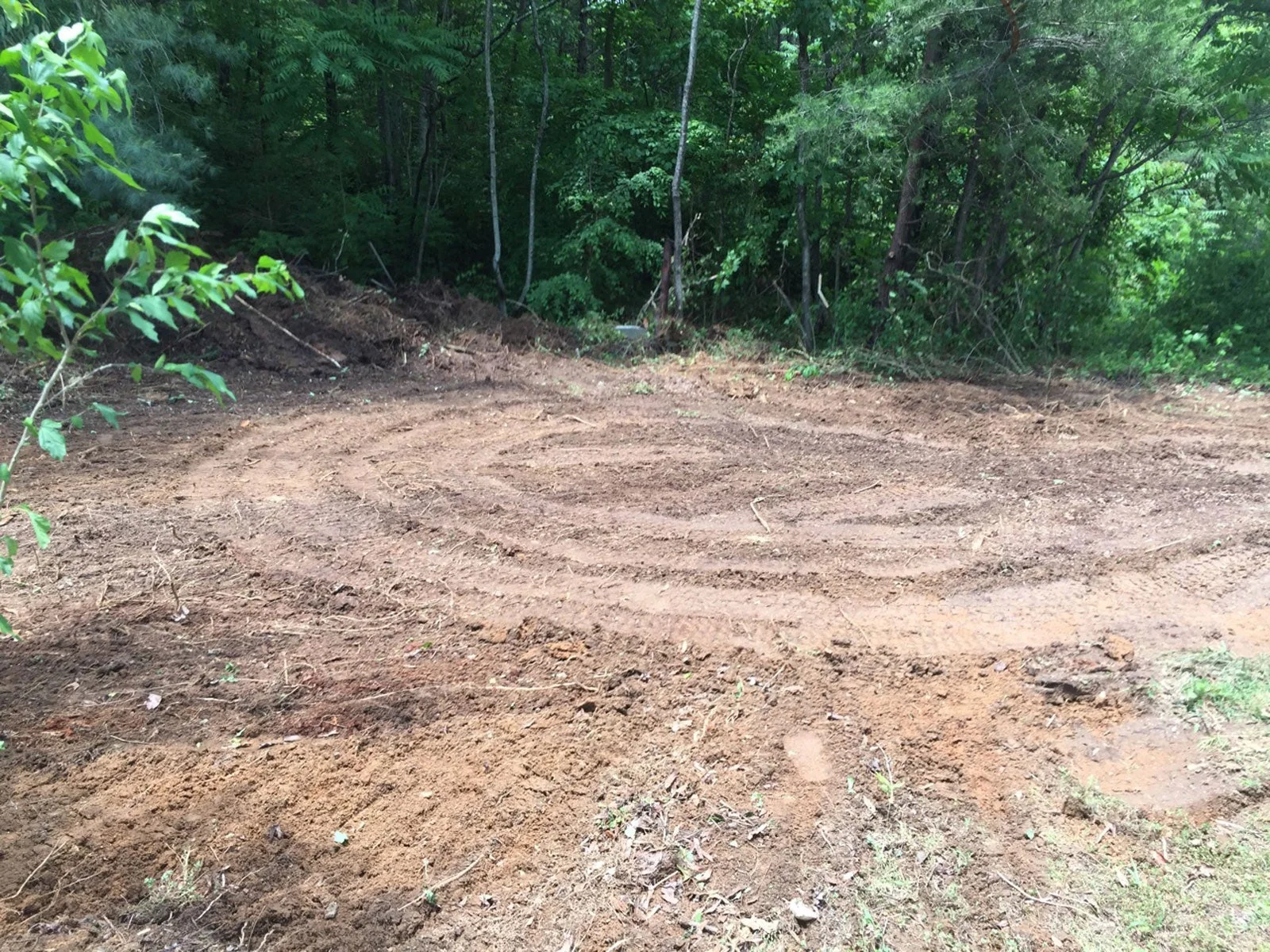
Drive out Leicester Highway past the last Asheville city limit sign and the lots change character fast. Buncombe County's west side is largely red clay, and Leicester's version of it is stiff, sticky, and slow to drain. Underneath that clay, a lot of parcels hit weathered rock or blue shale at depths that surprise people who priced the job from a photo. Add the older fill pads from decades of small-scale grading, and you get the three conditions that shape every excavation scope here: clay that swells, rock that stops the bucket, and fill that won't hold a clean cut.
Each one changes the work. Clay means wider overdig and careful backfill because it moves with the seasons. Rock means either a breaker, a ripper tooth, or a redesigned footing elevation, and it can double machine hours. Old fill means the trench walls need shoring and the bearing soil may need to be proven before concrete goes in. A quote that treats Leicester like flat, clean dirt is a quote that will grow.
Where the rock line is high, footings get creative
On the ridges and side slopes of Leicester, refusal can come at 18 inches. That doesn't automatically mean blasting or a bigger machine. Pin foundations, stepped footings, and engineered grade beams all exist to bridge a high rock line without moving half a hillside, and the International Code Council model codes that North Carolina's residential code draws from account for stepped and deepened footings on sloping ground. The tradeoff is design time: an engineer's detail costs less than a day of rock-breaking, but you need it before the excavator arrives, not after.
On the flip side, low-lying Leicester parcels along the creek bottoms have the opposite problem. The clay there stays wet, trenches cave, and dewatering becomes a line item. Both extremes land inside the same honest range once you know which one you own. The foundation excavation guide walks through how a proper scope is built for each condition.
What Leicester excavation actually costs
Site-wide, foundation and footing excavation runs $3,500 to $18,000 depending on depth and access, with footings alone at $1,200 to $4,500. Local ground and driveway conditions push jobs toward one end or the other within that band, never past it. Here's how the line items break out on typical Leicester work:
| Scope | Typical range | What moves it |
|---|---|---|
| Footing-only trench, good access | $1,200–$2,400 | Trench length, depth to bearing soil, spoil removal |
| Footing trench in rock or high refusal | $2,400–$4,500 | Breaker time, stepped or pinned detail, haul-off |
| Full basement or crawl dig, easy lot | $3,500–$9,000 | Square footage, wall depth, backfill volume |
| Full dig on a slope or tight drive | $9,000–$18,000 | Shoring, benching, small-machine access, export of spoils |
| Old-fill lot needing over-excavation | top of the full-dig band | Depth of unsuitable fill, engineered backfill, compaction testing |
Two line items bite Leicester homeowners hardest: hauling and shoring. Red clay spoils are heavy and won't disappear on-site the way sandy soil can, so trucking shows up on almost every quote. And any trench deeper than a few feet in clay or fill needs protection for the people working in it, which is both a safety rule and a real cost. The Buncombe County grading cost breakdown shows how sitework and grading line items stack up alongside the dig itself.
Permits, inspections, and who can legally take the job
Buncombe County reviews footing and foundation work before concrete is placed, and inspection timing matters: an unreinforced or unapproved footing pour can mean demolition, not a fix. The NC Licensing Board for General Contractors sets the dollar threshold at which a project requires a licensed general contractor, so a large excavation-plus-foundation package often crosses it while a small footing repair may not. Ask any bidder which side of that line your job sits on and who is pulling the permit.
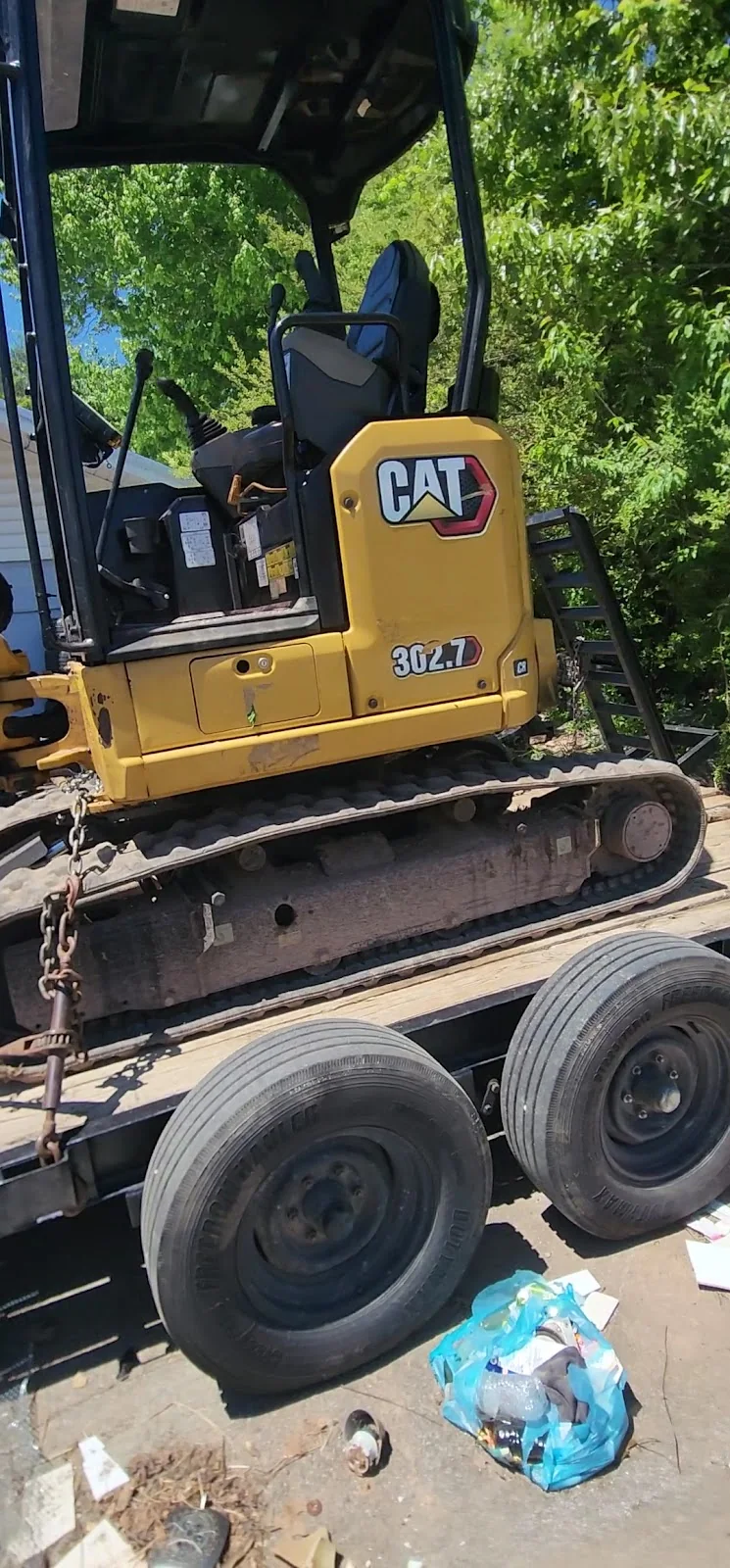
Water is the other regulatory thread. Leicester sits in the French Broad watershed, and grading that changes drainage across a property line or toward a creek can trigger county and state review. Disturbed ground also falls under erosion-control rules enforced with EPA guidance behind them. None of this is exotic. It's just the paperwork that separates a professional scope from a guy with a mini-ex and a free weekend.
Storm history is why drainage is part of the dig, not an add-on
Western North Carolina's federal disaster record, 19 declared events spanning 1973-2026, is dominated by storm and flood family events, and Leicester's creek-bottom and hillside lots both show it. When saturated clay sits against a foundation wall, it pushes. When a hillside above a cut footing lets go, it doesn't stop at the property line. The National Weather Service keeps the local rainfall and flood record that engineers pull when they size footing drains and downspout routing here.
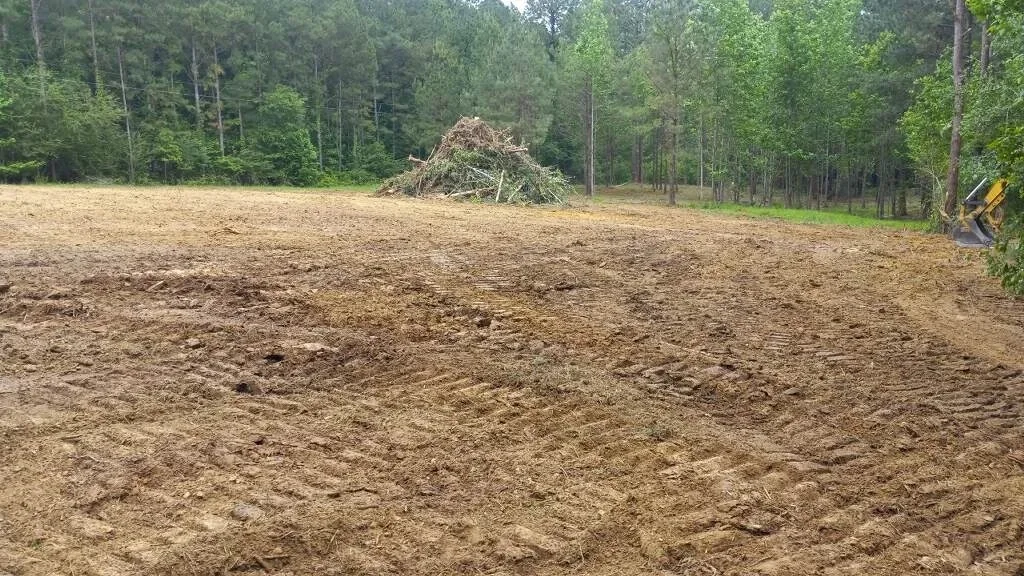
That's why the best excavation crews in this part of Buncombe County quote the drainage package with the dig: footing drains, gravel and filter fabric, a positive slope away from the wall, and a plan for where the uphill water goes. Skipping it saves a few thousand now and guarantees a callback later. If your project also needs finish grading or a driveway cut, the Leicester grading contractors page covers that side of the work.
Getting a bid you can actually compare
Insist that every bid list five things: depth of dig, how rock or fill will be handled, where spoils go, how trenches will be protected, and whether drainage is included. A Leicester excavation bid missing any of those isn't cheaper, it's just shorter. And before you sign, ask to see the engineered footing detail if your lot has slope, rock, or old fill, because that document, not the hourly rate, is what keeps the final number near the first one.