The one-acre line that splits Canton driveway jobs
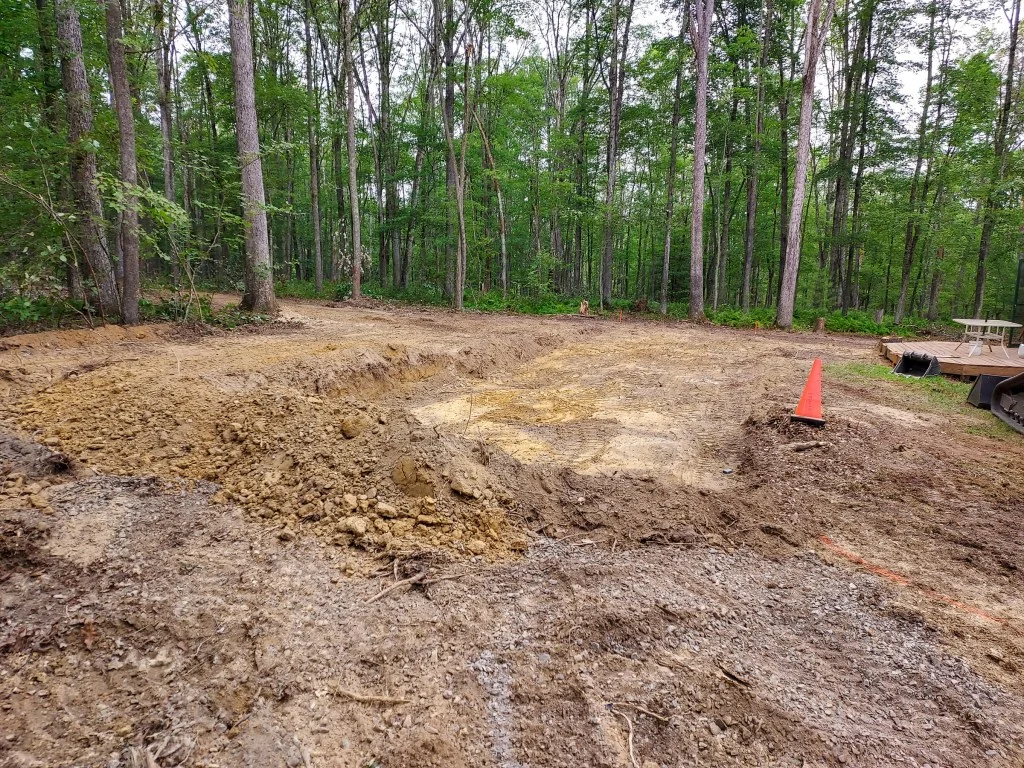
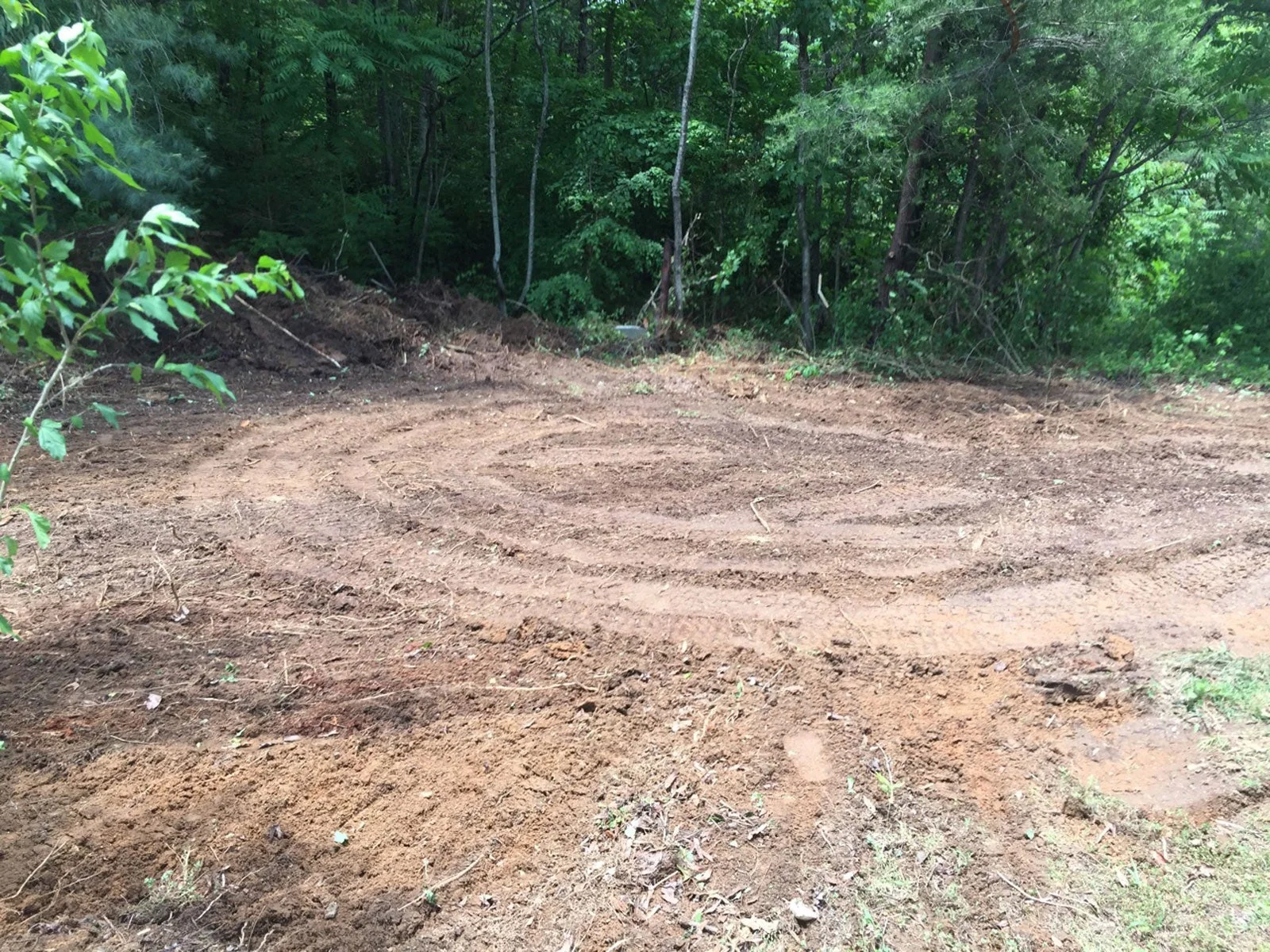
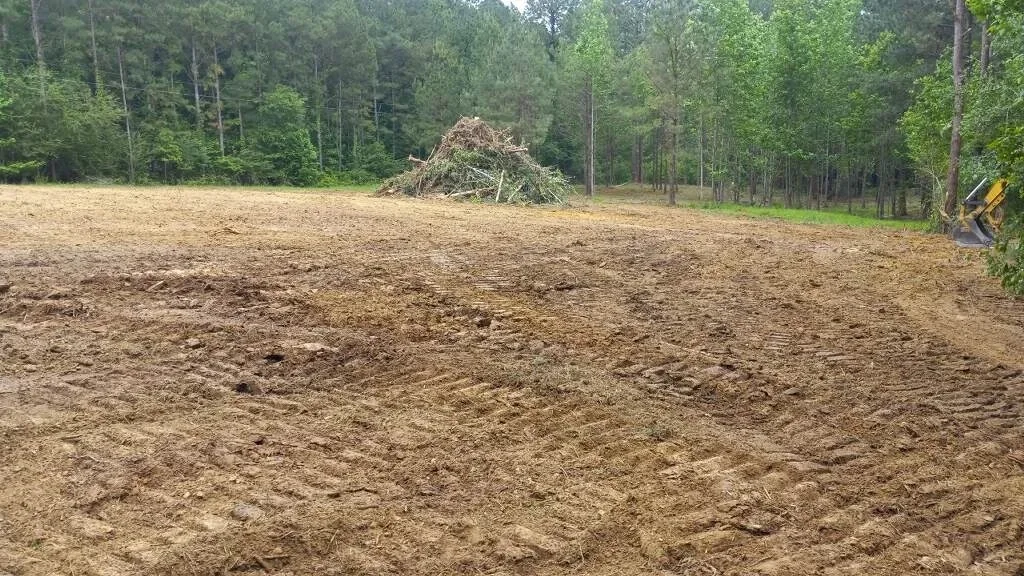
Stand on a ridgeline above Canton and you can see why this town brackets the Pigeon River the way it does — flat bottomland along the water, steep ground climbing both sides, and driveways that have no choice but to follow the grade. A half-mile gravel drive cut into that slope is a grading project with a driveway attached, and if the disturbed area reaches one acre, North Carolina's erosion and sedimentation rules treat it as regulated land-disturbing activity. You file a plan and get a permit before equipment moves. Permits rarely dominate the budget, but the plan, the inspection schedule, and the sequencing they force can add real time and real line items. Under an acre, you skip that process — which is why the same nominal driveway can be a straightforward quote from one Canton address and a permitted project from another.
That threshold is the single most useful question to ask before you gather prices: how much ground will this actually disturb? Include the drive, the turnouts, the borrow areas, and any clearing. Homeowners routinely underestimate it.
For current official guidance, see the U.S. Environmental Protection Agency (EPA). For current official guidance, see the U.S. Department of Housing and Urban Development (HUD).
What drives cost on a Haywood County property
Two miles out of Canton in any direction, terrain changes more than price lists can capture. A short, gentle run on flat ground — packed in with a crown and a couple of inches of new stone — is the affordable version. A long climb with switchbacks needs bigger stone at the base, fabric to keep it from punching into soft soil, culverts at every wet-weather crossing, and a cut-and-fill budget that dwarfs the material cost. You can feel the difference in a quote when the contractor has actually walked the grade.
| Scope of work | Typical installed range |
|---|---|
| Short flat drive, regraded and topped with new gravel | $1,800–$3,200 |
| Standard residential install, base stone, fabric, crown, finish layer | $3,200–$5,500 |
| Drainage-heavy install: culverts, ditch work, turnout, tighter grading | $5,500–$8,000 |
| Long or steep mountain drive: bench cut, engineered base, erosion control | $8,000–$12,000 |
The higher rows aren't fancy gravel — they're the cost of holding stone on a slope. See the Haywood County grading cost breakdown for line-item detail across the county, and the driveway grading and gravel guide for what each stage actually does.
Mountains, weather, and why fabric matters here
Haywood County's federal disaster record tells its own story: 19 declared events touch this county across 1973-2026, mostly storm and flood family. On a mountain driveway, that means water is not a nuisance, it is the design brief. Rainfall that sheet-flows gently on flat ground erodes a gravel drive here in a single season — ruts, washouts, and the gravel guaranteed to wind up somewhere downhill from where you paid to put it.
Three habits separate drives that survive from drives that don't. First, a proper crown so water sheds to the sides instead of running down the center. Second, stabilized entrances and drainage channels sized with the National Weather Service's local rainfall expectations in mind. Third, geotextile fabric under the base layer, which is the quiet reason one driveway still has its gravel and the neighbor's is regraveled every year. Fabric costs less than the stone it saves.
Who should do the work, and where the licensing line sits
Loose gravel is a commodities business; a driveway built into a hillside is a grading business. Those need different contractors. North Carolina's general contracting licensing thresholds apply once a job crosses the state's statutory project value, and any driveway with culverts, substantial excavation, or erosion-control responsibility should be quoted by a grading contractor who works in that framework — the NC Licensing Board for General Contractors is where you check whether a contractor's license is required and in good standing for a project this size. If the job touches the one-acre threshold, the erosion-control plan is part of the scope, not an afterthought somebody orders later.
Around Canton, the practical test is simple: ask to see a driveway they built three winters ago, on similar grade. A crew that knows slope will talk about water first. A crew that sells stone will talk about stone first. Our Canton grading contractors listing covers what to look for before you hire.
Materials and timing: cold-season realities
Stone choice is straightforward. Crushed base material locks together and stays put on grades; washed gravel looks better and moves more. On the steeper Haywood County hillsides, the base does the structural work and the finish layer is mostly presentation. Ask what suppliers and how many loads a quote assumes — gravel pricing here is mostly logistics, and the farther up a hollow you live, the more the haul shows up in the number.
Timing matters too. Grading work wants dry ground; wet clay and saturated fill compact poorly, and a subcontractor who schedules around the forecast saves you a redo. In the mountains, late-winter and early-spring rain keeps equipment off soft slopes more often than anyone plans for, so build a weather cushion into any timeline. Prepare the ground and drainage correctly and the driveway holds. Skip that step and every winter is a maintenance bill.